
IMF approves US$1.7 billion for Jamaica

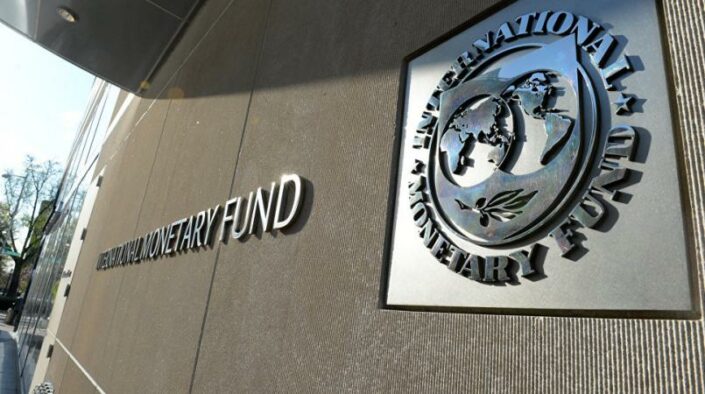
The Executive Board of the International Monetary Fund has approved US$1.7 billion for Jamaica.
The money according to the IMF is expected to go towards insurance against risks from higher commodity prices, a global slowdown, tighter-than-envisaged global financial conditions, and new COVID outbreaks
A statement from the Washington-based financial institution said about US$968 million had been approved for a 24-month program under the Precautionary and Liquidity Line (PLL) arrangement.
IMF Deputy Managing Director and Acting Chair of the Board Bo Li said “Reforms in the RSF, built on Jamaica’s home-grown climate policy, were prepared in close collaboration with the World Bank and other international partners. They create incentives to switch to renewables, reduce energy consumption, develop green financial instruments, and require proper management of climate risks in the financial sector,”
Difficult global challenges propelled by the Covid-19 pandemic have affected Jamaica, according to the IMF. They also said that the war in Ukraine and the global financial conditions were other deterring factors.

“As COVID waned, tourism has rebounded to pre-crisis levels, and 2022 real GDP growth is expected to be around four percent. Public debt is on a downward trajectory and the overall fiscal balance is in line with the medium-term fiscal framework,” the IMF said.
Adding, “pushed by global factors—in particular, the impact of the war in Ukraine on commodity prices—inflation has risen above the Bank of Jamaica’s target band but is declining since mid-2022. High commodity prices have increased the current account deficit, but international reserves remain at healthy levels. The financial system is well-capitalized and liquid.”
Jamaica however is expected to continue to recover, the IMF said, since the outlook points to a “continued recovery and inflation falling back within the Bank of Jamaica’s target range by end-2023.”
“The war in Ukraine may push commodity prices higher, a stronger-than-envisaged tightening of global financial conditions may curb capital flows and reduce remittances, and new COVID variants could disrupt tourism and trade,” the IMF added.

About the author
The Editorial Staff refers to all reporters employed by Antigua.news. When an article is not an original creation of Antigua.news—such as when it is based on a press release, other media articles, letters to the editor, or court decisions—one of our staff members is responsible for overseeing its publication.
Read our editorial standards and corrections policy. Spotted an error? Contact the newsroom.
More from Caribbean
View section
St. Kitts DPP Seeks Antigua’s Help in Outstanding Case Involving Former Resort Clerk
By Shermain Bique-Charles

Royal Caribbean in Talks to Buy Half of Sandals in Reported $3 Billion Deal
By Shermain Bique-Charles

Four Killed in Latest US Military Strike on Suspected Drug Vessel in Caribbean
By Shermain Bique-Charles
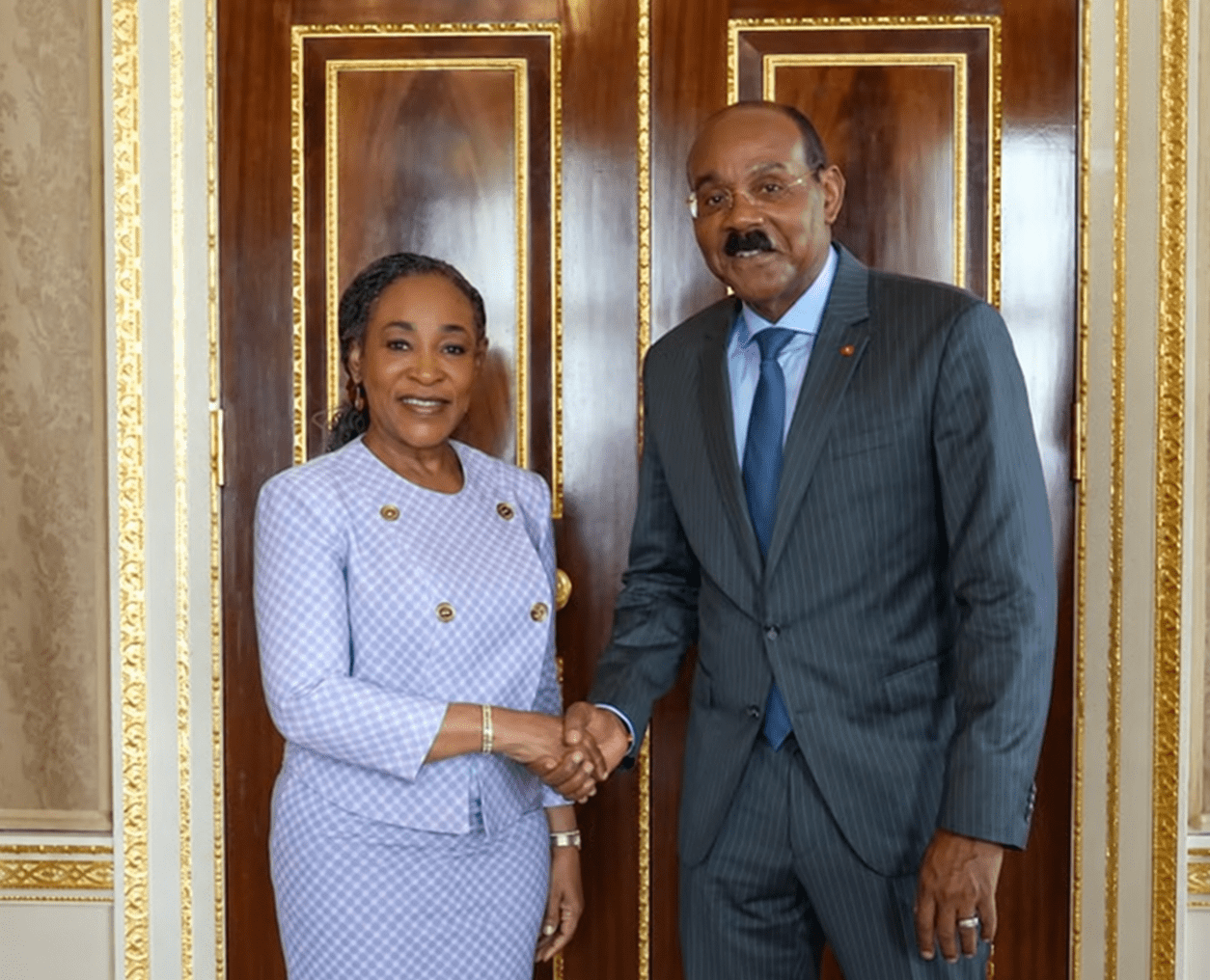
Browne, Commonwealth Secretary-General Review Final Preparations for CHOGM 2026
By Editorial Staff
Comments
Be the first to comment.