
Chief Environment Officer Warns of Challenges in Renewable Energy Transition for Small Island Developing States”

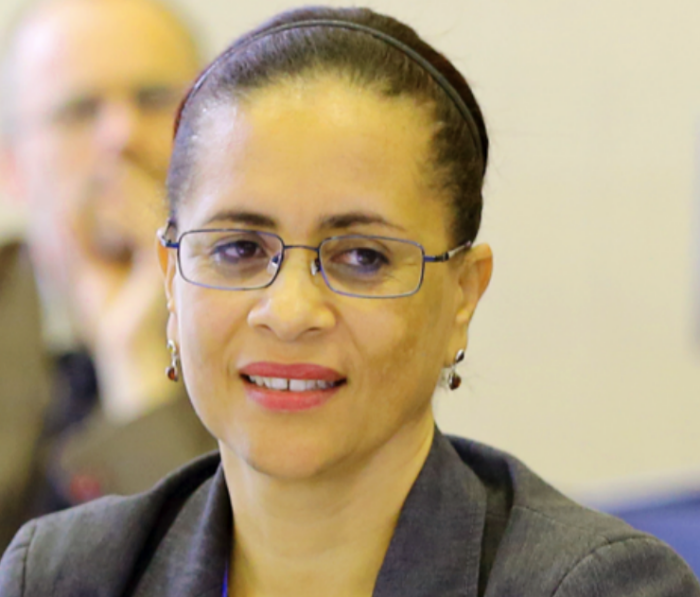
By Aabigayle McIntosh
Chief Environment Officer Diann Black Layne points out that several signs of progress have been made in the area of renewable energy, however, there remain a few challenges for Small Island Developing States.
She was responding to a deal that was signed at Cop28 in Dubai to transition away from Fossil fuel. She said there is a huge loophole as developing countries continue to market natural gas which they have to use in the long term.
“These long-term arrangements far exceed 30 years and so it means they are not transitioning fuel which is not transition fuel which they are being sold as, but they intend to lock developing countries into a particular energy system. Now while that is occurring developing countries are changing to renewable which will make their energy systems cheaper.
She also outlines the 1.5 degrees Celsius threshold is in peril and has dire consequences for Small Island Developing States like Antigua and Barbuda.
“If we continue to burn fossil fuel like we are doing now regardless of the type of fossil fuel we are going to exceed 1.5 degrees and that has real implications for us in Antigua and Barbuda, that means we have new beaches and we will have saltwater intrusion which will affect farmers, our ability to grow our food.
“We will have more frequent and intense hurricanes which means it will be difficult to get insurance for our homes,” Black Layne said.

This story was first published by Antigua News on : antigua.news/2023/12/16/chief-environment-officer-warns-of-challenges-in-renewable-energy-transition-for-small-island-developing-states. © 2023 Antigua News. Republication without permission is not allowed.

About the author
The Editorial Staff refers to all reporters employed by Antigua.news. When an article is not an original creation of Antigua.news—such as when it is based on a press release, other media articles, letters to the editor, or court decisions—one of our staff members is responsible for overseeing its publication.
Read our editorial standards and corrections policy. Spotted an error? Contact the newsroom.
More from Culture, Science and Tech
View section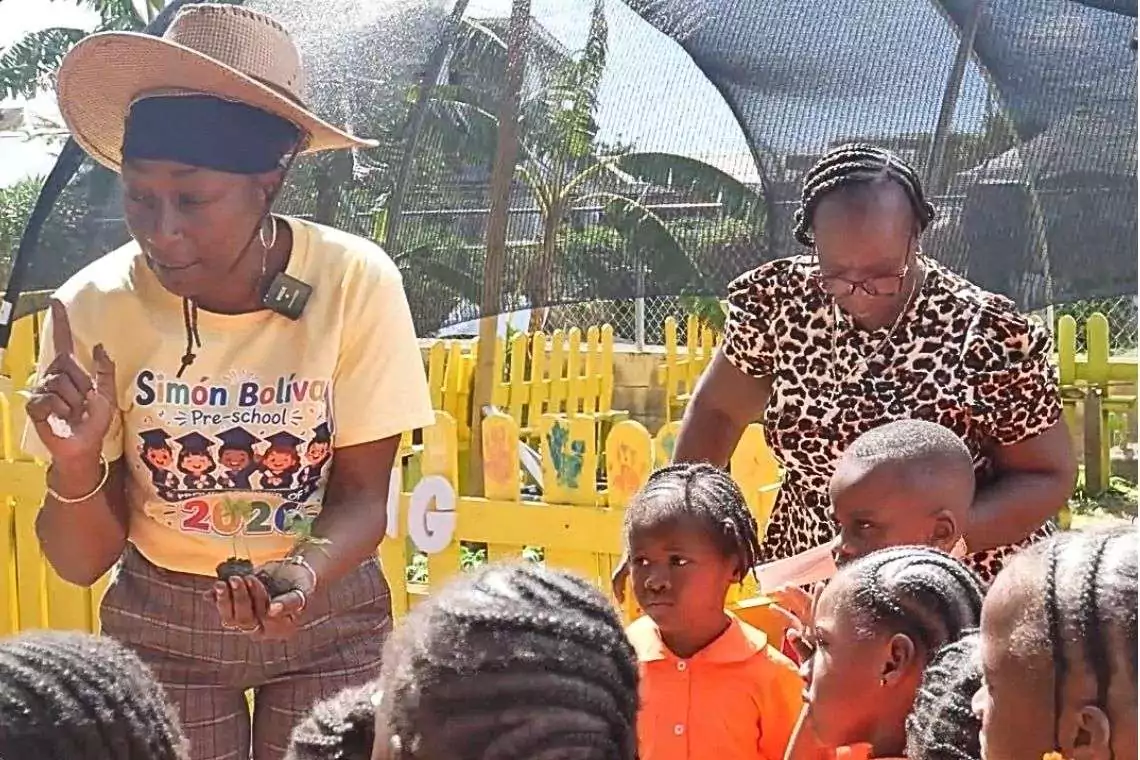
VIDEO: As School Reopens, Simon Bolivar Pre-School’s Garden serves as a Model for teaching Agriculture in Early Childhood
By Editorial Staff

CUB Hells Gate Crowned 2026 Panorama Champions After Electrifying Carnival Showdown
By Cory Wayland
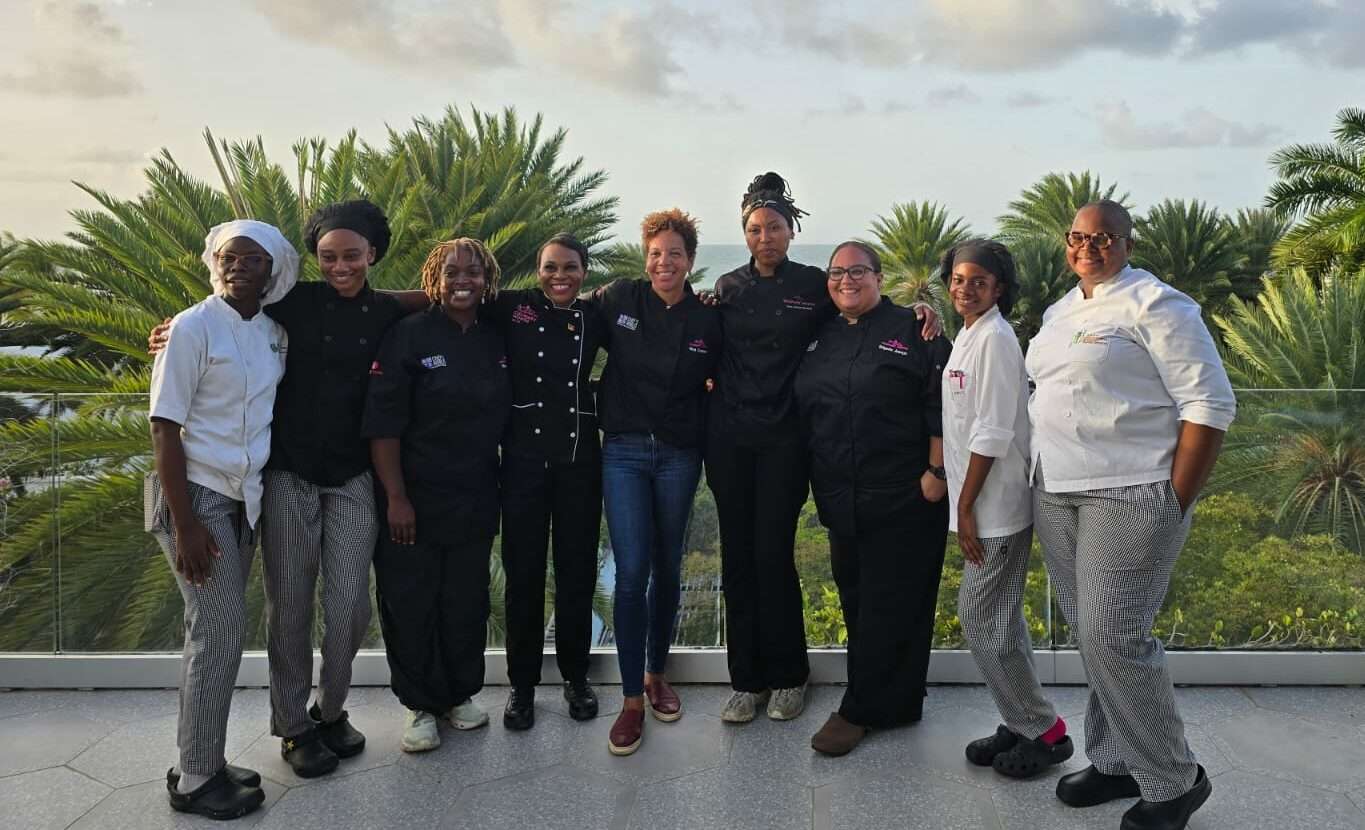
Five Female Chefs Wow Diners With Multi-Course Dinner at Hodges Bay Resort
By Shermain Bique-Charles
North Europe and the Arctic 2026: The Race for Power, Resources and New Trade Routes
By Dario Item
Comments
Be the first to comment.