
Local Red Cross President Proposes Strengthening Emergency Care to Combat Youth Fatalities at SIDS4 Conference

By Aabigayle McIntosh
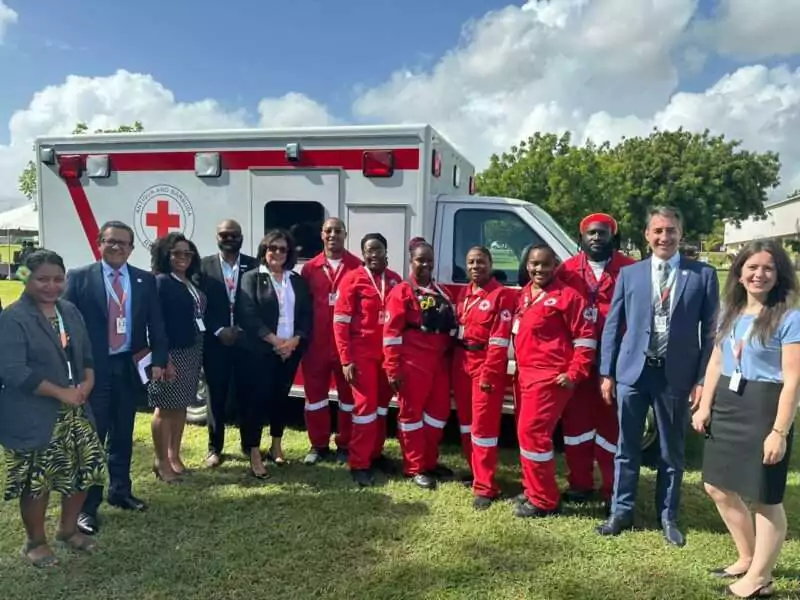
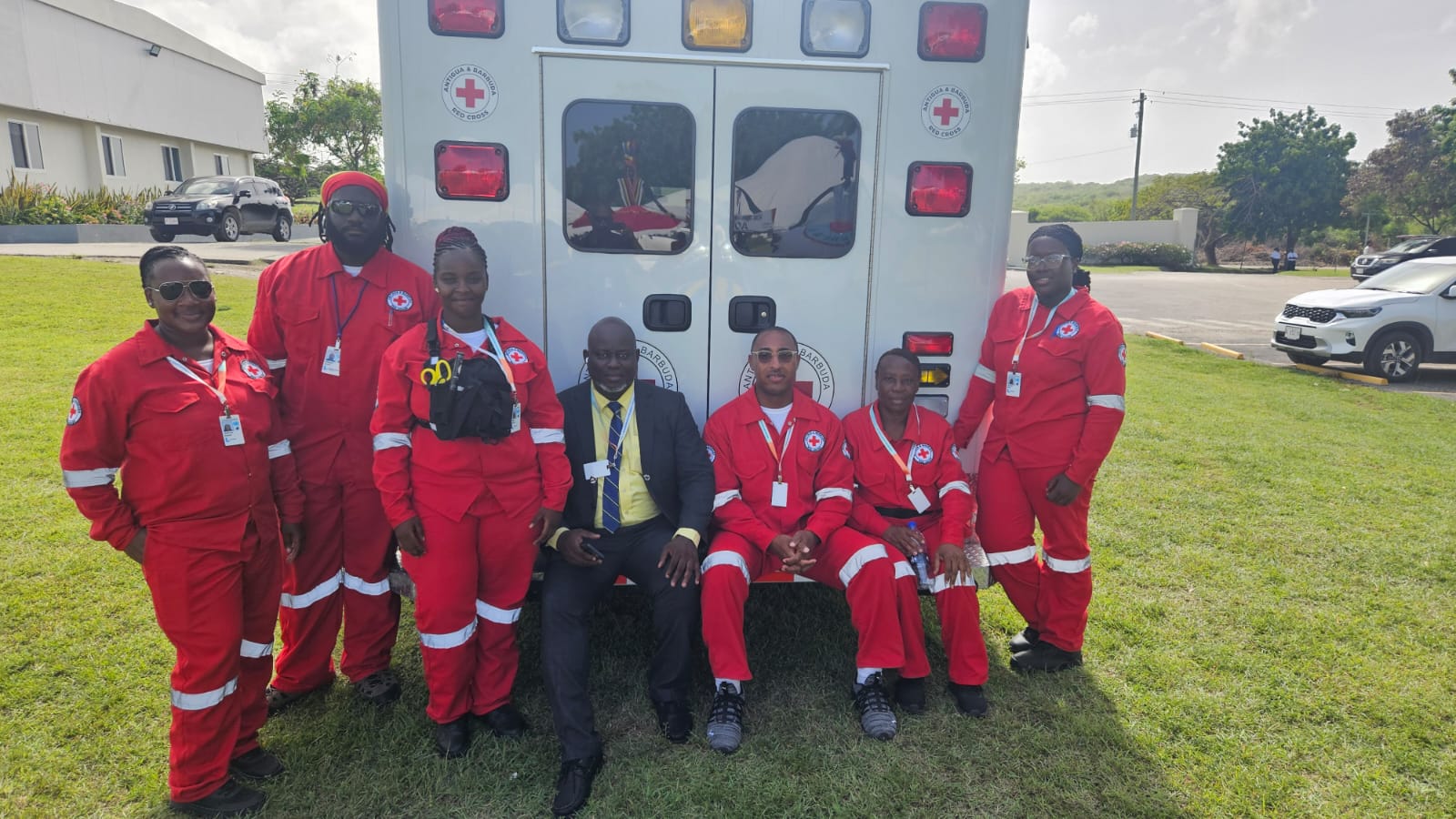
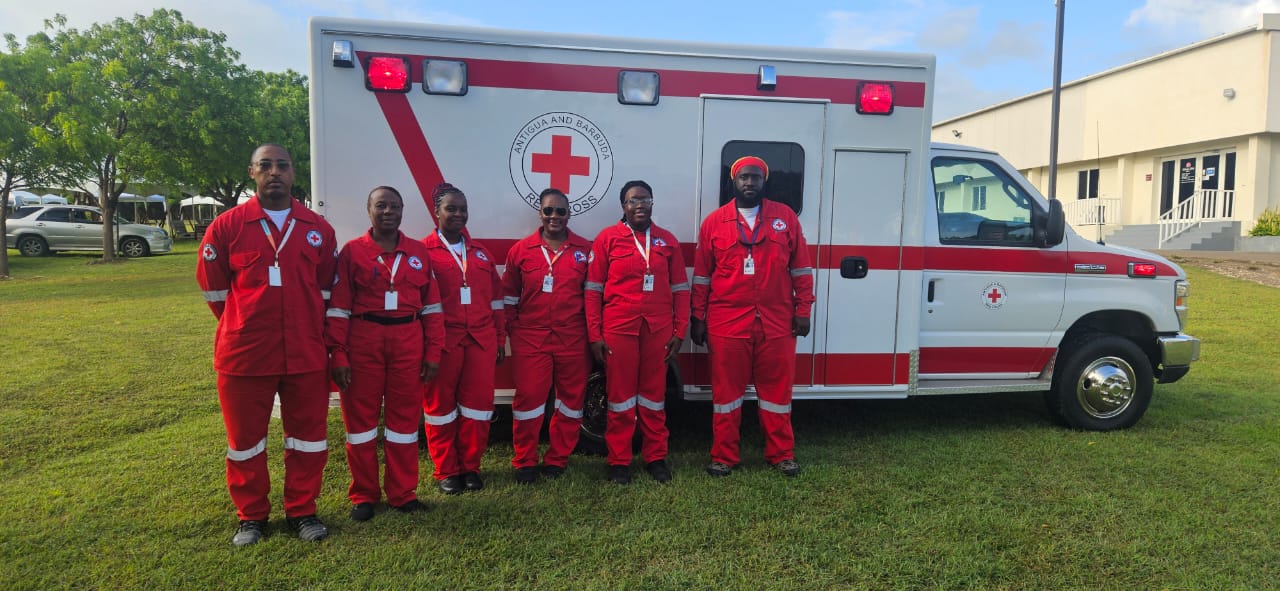
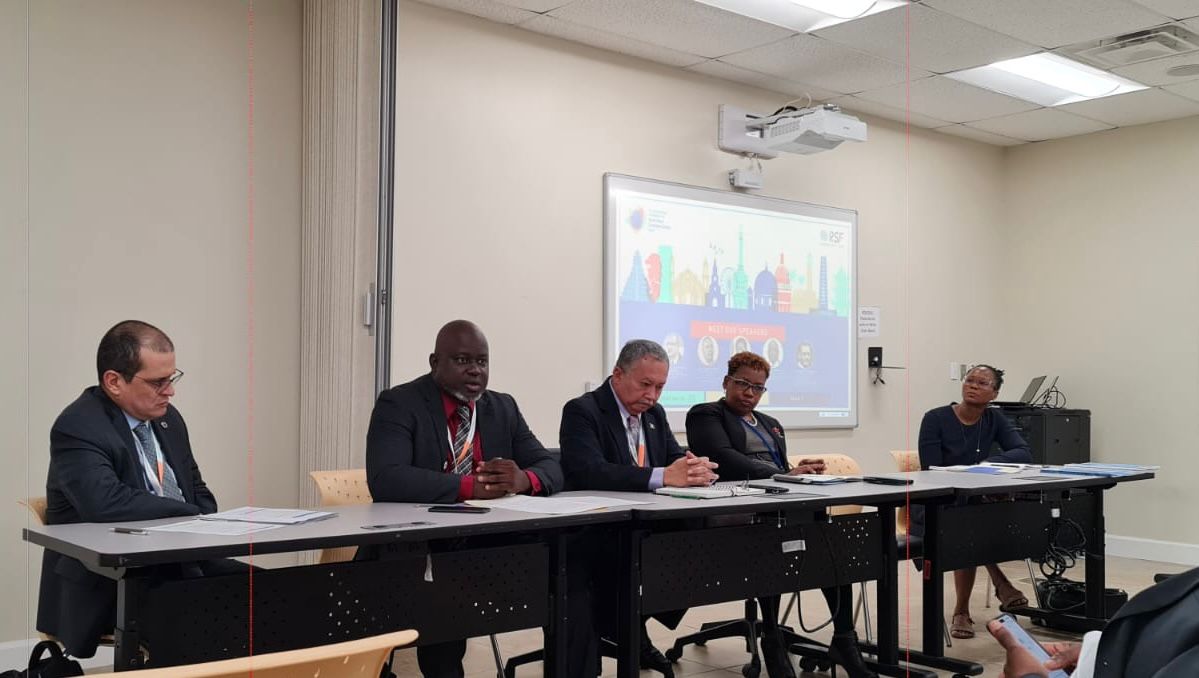
President of the Antigua and Barbuda Red Cross Dr. Jose Humphrey has proposed measures to strengthen emergency care systems to reduce fatalities, particularly among youth, during a panel discussion at the SIDS4 conference.
Speaking on the behalf of the International Federation of Red Cross and Red Crescent Societies (IFRC), he highlighted the significant threat posed by road traffic injuries to global health, especially for young people.

“According to the latest World Health Organization (WHO) Global Status Report on Road Safety, approximately 1.19 million people die due to road crashes each year, and 50 million people suffer life-altering injuries. Shockingly, road traffic accidents are currently the leading cause of death for children and youth aged 5-29 years old, with 90% of these fatalities occurring in low- and middle-income countries,” Humphrey stated.
He noted that the IFRC was the first international organization to bring global recognition to road safety hazards as a human-made humanitarian disaster.
To tackle this issue, the IFRC, in collaboration with the World Bank and the UK’s Department for International Development (DFID), founded the Global Road Safety Partnership (GRSP). This non-profit organization aims to sustainably reduce road crash deaths and injuries while adhering to the Fundamental Principles of the IFRC.
“For over 20 years, the IFRC has hosted the GRSP, aligning with the IFRC Strategy 2030 and the Sustainable Development Goals. As a global movement, we have worked both globally and locally to build resilience and reduce the risk of road trauma,” he said.
The GRSP works through National Societies, specialist NGOs, and partnerships with the private sector and governments to build local capacity in injury prevention and support evidence-based road safety projects. Humphrey emphasized that there are significant opportunities to reduce road trauma by enacting and enforcing speed limits consistent with ‘safe system’ principles.
According to Humphreys, strengthening emergency care systems involves addressing mortality issues, enhancing the legal and regulatory framework, ensuring access to pre-hospital emergency care, building capacities by offering to training opportunities, continued medical education, and standardizing the level of emergency medical care.
Other members of the panel were Dr. Reinol Delfin Garcia Moreira, Viceminister of Health Cuba, Dr. Ricardo Perez Nunez, Road Safety and Prevention of Unintentional Injuries Noncommunicable Diseases and Mental Health, PAHO, Dr. Jorge Polanco, Director of Hospital Services, Ministry of Health and Wellness Belize, Dr. Nicole Dwakins-Wright, Director Emergency, Disaster Management & Special Services Ministry of Health & Wellness Jamaica.
This story was first published by Antigua News on : antigua.news/2024/05/23/local-red-cross-president-proposes-strengthening-emergency-care-to-combat-youth-fatalities-at-sids4-conference-2. © 2024 Antigua News. Republication without permission is not allowed.

About the author
The Editorial Staff refers to all reporters employed by Antigua.news. When an article is not an original creation of Antigua.news—such as when it is based on a press release, other media articles, letters to the editor, or court decisions—one of our staff members is responsible for overseeing its publication.
Read our editorial standards and corrections policy. Spotted an error? Contact the newsroom.
More from Caribbean
View section
VIDEO: Doctors at Dominica China Friendship Hospital Stage Protest Outside Medical Facility
Healthcare professionals at the Dominica China Friendship Hospital gather outside the medical facility in an apparent protest, raising concerns over issues yet to be officially confirmed.
By Cory Wayland

St. Kitts DPP Seeks Antigua’s Help in Outstanding Case Involving Former Resort Clerk
By Shermain Bique-Charles

Royal Caribbean in Talks to Buy Half of Sandals in Reported $3 Billion Deal
By Shermain Bique-Charles
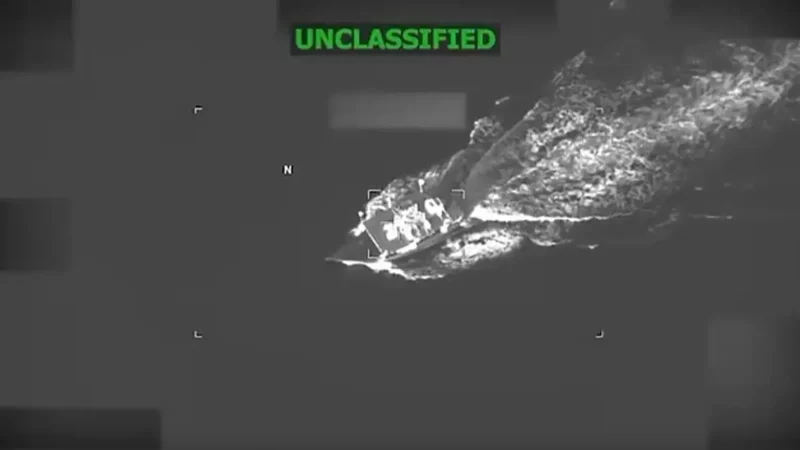
Four Killed in Latest US Military Strike on Suspected Drug Vessel in Caribbean
By Shermain Bique-Charles
Comments
Be the first to comment.