
Organising committee vow to make 2024 Olympics the greenest in history

By Mick the Ram
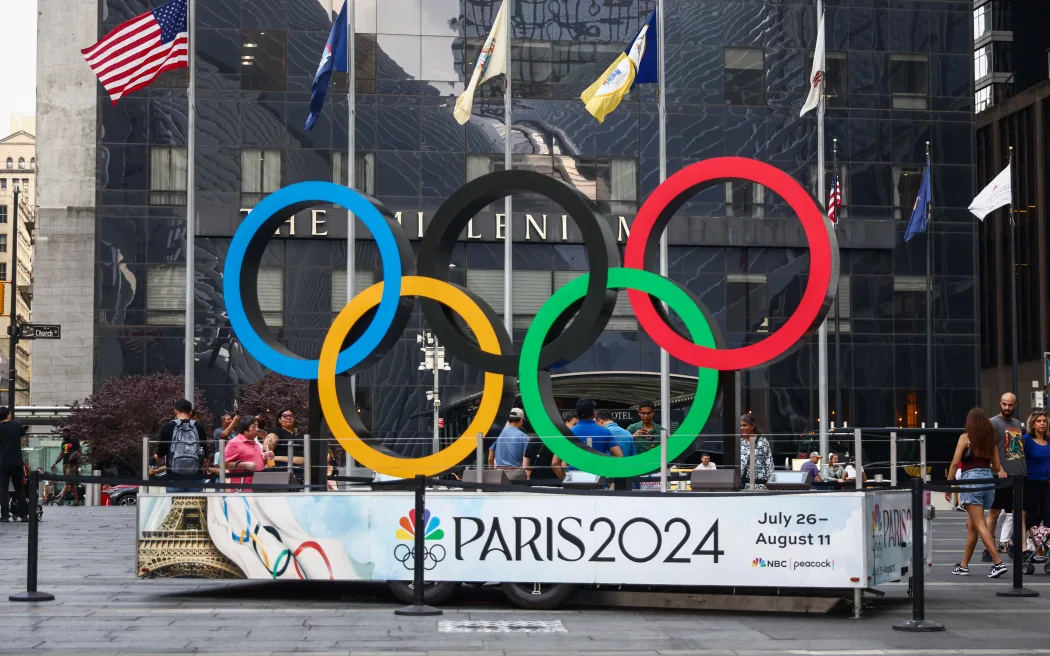
On the eve of the 2024 Games, the Paris organising committee have pledged to make it the greenest in Olympic history, with the aim to have half the carbon footprint of London 2012 and Rio 2016.
There are a number of initiatives that have been announced which they believe will help them achieve their targets, with recycled materials in widespread use.
Local agriculture production is being sourced in order to reduce transport and movement between stadiums has received consideration, with a 60km cycling network created and linking all of the Olympic venues.
There is a plan to serve beverages in reusable plastic packaging at a large scale, although there was a blow when a line of Olympic-branded water bottles aimed at children had to be recalled just a matter of days ago, after excessive levels of a harmful chemical were discovered.
Refurbish rather than re-build
One of the big differences that Paris undertook in comparison to other Olympic cities, was the decision to refrain from building new stadiums and instead use existing infrastructure.
Indeed, of the 35 venues that will host Olympic events, only two are new and purpose-built, these being the aquatics centre that will include seats made from recycled local plastic waste, and an arena for badminton and rhythmic gymnastics.
This compares well with the six in London and ten in Rio.
Recycling could be an Olympic event
The athlete’s village has been built on a green theme. Beds are made from cardboard (as they were in Tokyo to be fair) and tables have been constructed from recycled shuttlecocks, with the chairs created from recycled bottle tops.
It had originally been intended to be designed so it could be free of air conditioning, but in light of concerns about the summer heat in the French capital, 2,500 temporary cooling units have since been fitted.
Keeping it local
To vastly reduce transport emissions, the organising committee for the Games has promised to source 80 per cent of ingredients from what they describe as “local agriculture production”.
They are also vastly cutting down on the use of diesel generators for additional power at stadiums. In their place the focus will switch to the public electricity network, which will help with sustainability long after the Games are finished.
Authorities won’t bottle it
With excitement building in the week leading up to the opening ceremony, there was a blow when reusable bottles of water that had been mass produced with an Olympic theme especially aimed at children, had to be recalled after they were found to contain excessive levels of a chemical, Bisphenol A.
This is a product that has been widely used in making food containers, and has been the subject of growing concerns about its safety to consumers. It is an endocrine disruptor, which can interfere with the body’s hormones, and has been linked to health issues including breast cancer and infertility.
Despite this, everything seems set for a Games that is aligned to the greater good of the long term health of the planet.

About the author
Mick Burrows is an independent freelance author based in the UK, boasting over 20 years of experience in the online writing landscape. His extensive background has enabled him to develop a diverse range of material, marked by a unique and distinct style. Recognized as a platinum-level expert author by leading e-zine publications, Mick excels in optimizing content for Search Engine Optimization (SEO) through effective keyword density and distribution. He has served as the lead reviewer for a travel enterprise and the senior previewer at a sports prediction company, melding his passions for sport—particularly football and cricket—with his love for travel, having explored more than 50 countries worldwide.
Read our editorial standards and corrections policy. Spotted an error? Contact the newsroom.
More from World
View section
Antigua and Barbuda, Octopus Energy to Explore Cheaper, Cleaner Power
By Shermain Bique-Charles
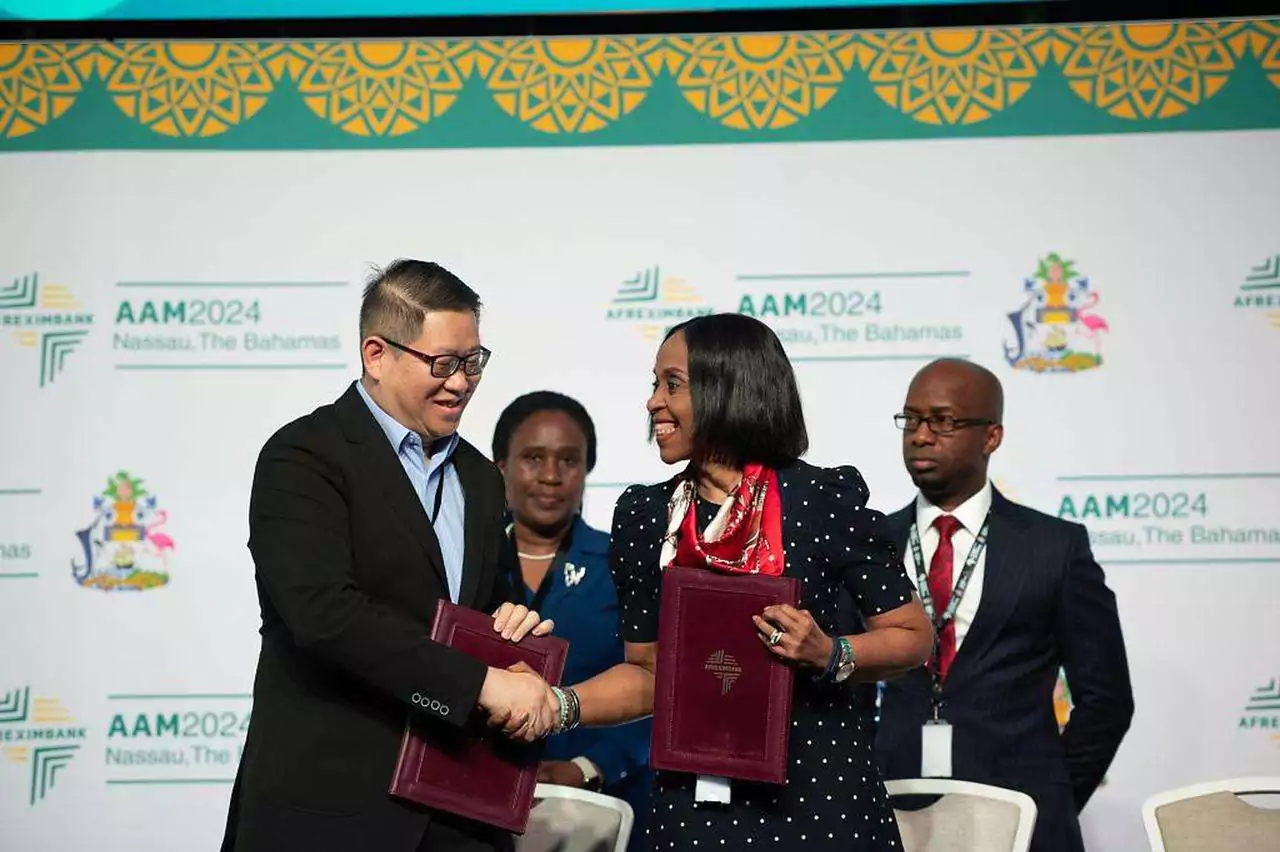
Afreximbank issues a $29 million guarantee to scale EAC Customs Bond, easing movement of goods across East Africa
By Editorial Staff
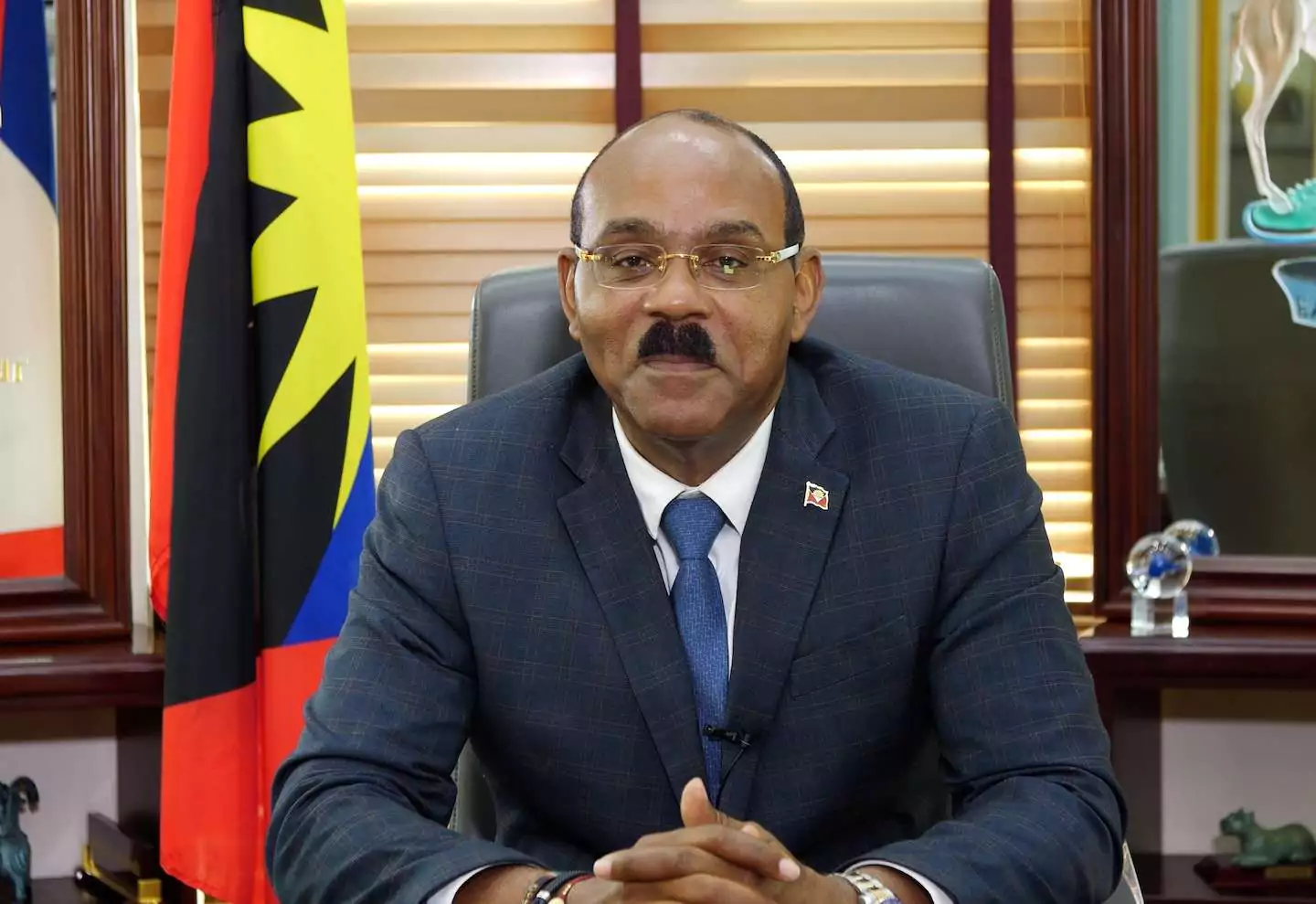
Browne Pushes Small-State Priorities at UN General Assembly
By Shermain Bique-Charles
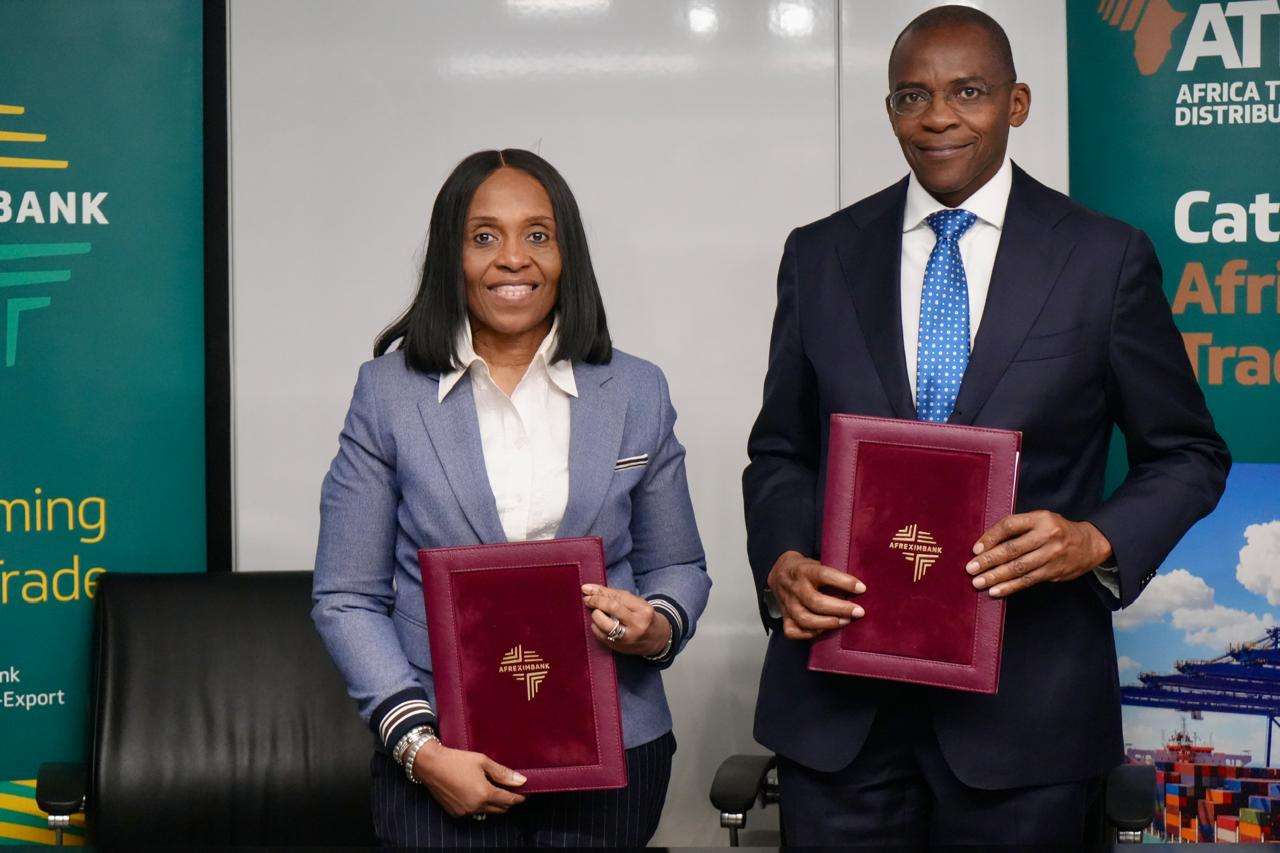
Afreximbank and ATDC sign US$500 million facility to expand African trade and distribution
By Editorial Staff
Comments
Be the first to comment.