
PAHO warns of increased risk of dengue outbreaks due to circulation of DENV-3 in the Americas

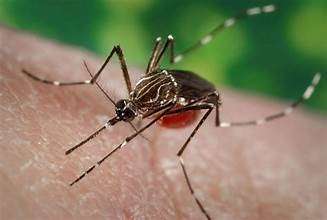
The Pan American Health Organization (PAHO) has issued an epidemiological alert regarding the increased risk of dengue outbreaks in the Americas, attributed to the growing circulation of the DENV-3 serotype in several countries in the region.
PAHO urges countries to strengthen their surveillance, early diagnosis, and clinical management to address potential increases in dengue cases.
Dengue, transmitted by the Aedes aegypti mosquito, has four serotypes: DENV-1, DENV-2, DENV-3, and DENV-4. Immunity against one serotype only provides lifelong protection against that specific serotype, meaning that subsequent infections with other serotypes can increase the risk of severe forms of the disease.
The appearance or rise of a serotype that was not previously predominant in a region can lead to a surge in cases due to greater population susceptibility.
The situation of DENV-3 in the region
The DENV-3 serotype has been identified in several countries across the Americas, including Brazil, Colombia, Costa Rica, Guatemala, Mexico, and Peru. In 2024, Argentina reported its circulation, marking the introduction of this serotype into the country.
In the same year, Brazil and Colombia reported an increase in cases associated with DENV-3, particularly among children, and it has also been detected in other countries in Central America and the Caribbean.
This serotype has been linked to severe forms of the disease, even in primary infections, raising concerns about its potential impact on public health.
The reemergence of DENV-3, after a prolonged absence in certain areas of the region, increases the vulnerability of populations that have not been previously exposed to this serotype.
Current situation and recommended measures
In 2024, the Americas region reported over 13 million cases of dengue, of which 22,684 were classified as severe (0.17% of the total) and 8,186 resulted in deaths (case fatality rate of 0.063%).
In the early weeks of 2025, 23 countries and territories in the region reported a total of 238,659 cases, with the majority concentrated in Brazil (87%), followed by Colombia (5.6%), Nicaragua (2.5%), Peru (2.5%), and Mexico (2.5%). Of these cases, 263 were severe, and 23 people died as a result of the disease.

PAHO recommends that countries strengthen vector control measures, enhance diagnostic capacity within healthcare systems, and ensure early and adequate treatment for patients to prevent severe complications. Public education campaigns to reduce exposure to mosquito vectors and eliminate breeding grounds are also essential.
The role of vaccination and monitoring
Regarding vaccination, according to the evidence generated by the manufacturer and published in the main phase 3 study, the TAK-003 dengue vaccine, used in some countries in the region, has shown lower protection against DENV-3, especially in children without a history of infection.
This highlights the need to ensure safe vaccination and maintain continuous monitoring of adverse events potentially attributable to the vaccination.
PAHO is closely monitoring the evolution of DENV-3 circulation along with the other serotypes and will continue supporting countries in implementing effective control and response measures to potential outbreaks.
It is critical that healthcare systems are prepared to manage the expected increase in cases and mitigate the risk of severe complications associated with this disease.
This story was first published by Antigua News on : antigua.news/2025/02/11/paho-warns-of-increased-risk-of-dengue-outbreaks-due-to-circulation-of-denv-3-in-the-americas. © 2025 Antigua News. Republication without permission is not allowed.

About the author
The Editorial Staff refers to all reporters employed by Antigua.news. When an article is not an original creation of Antigua.news—such as when it is based on a press release, other media articles, letters to the editor, or court decisions—one of our staff members is responsible for overseeing its publication.
Read our editorial standards and corrections policy. Spotted an error? Contact the newsroom.
More from Antigua and Barbuda
View section
Family Appeals for Help Finding 13-Year-Old Daniel Donawa
Family seeks public’s help after Daniel Donawa, 13, failed to return from a youth rally
By Shermain Bique-Charles

Justin “Jus Bus” Nation Designs Winning Logo for National Performing Arts Centre
Cabinet approves a design inspired by Antigua and Barbuda’s flag, cultural heritage and performing arts.
By Shermain Bique-Charles

Chinese Partners Join Social Protection Board in Successful Food Distribution
Donated meals and hands-on support bring assistance to members of the public, with Operations Manager Emily Baltimore praising the partnership.
By Shermain Bique-Charles

Residents Inside CHOGM Security Zone Warned About Temporary Re-entry Restrictions
Police say people may leave their homes during the opening ceremony restrictions but could face difficulty returning before controls are lifted.
By Shermain Bique-Charles
Comments (1)
Island Girl February 11, 2025, 12:28 PM