

















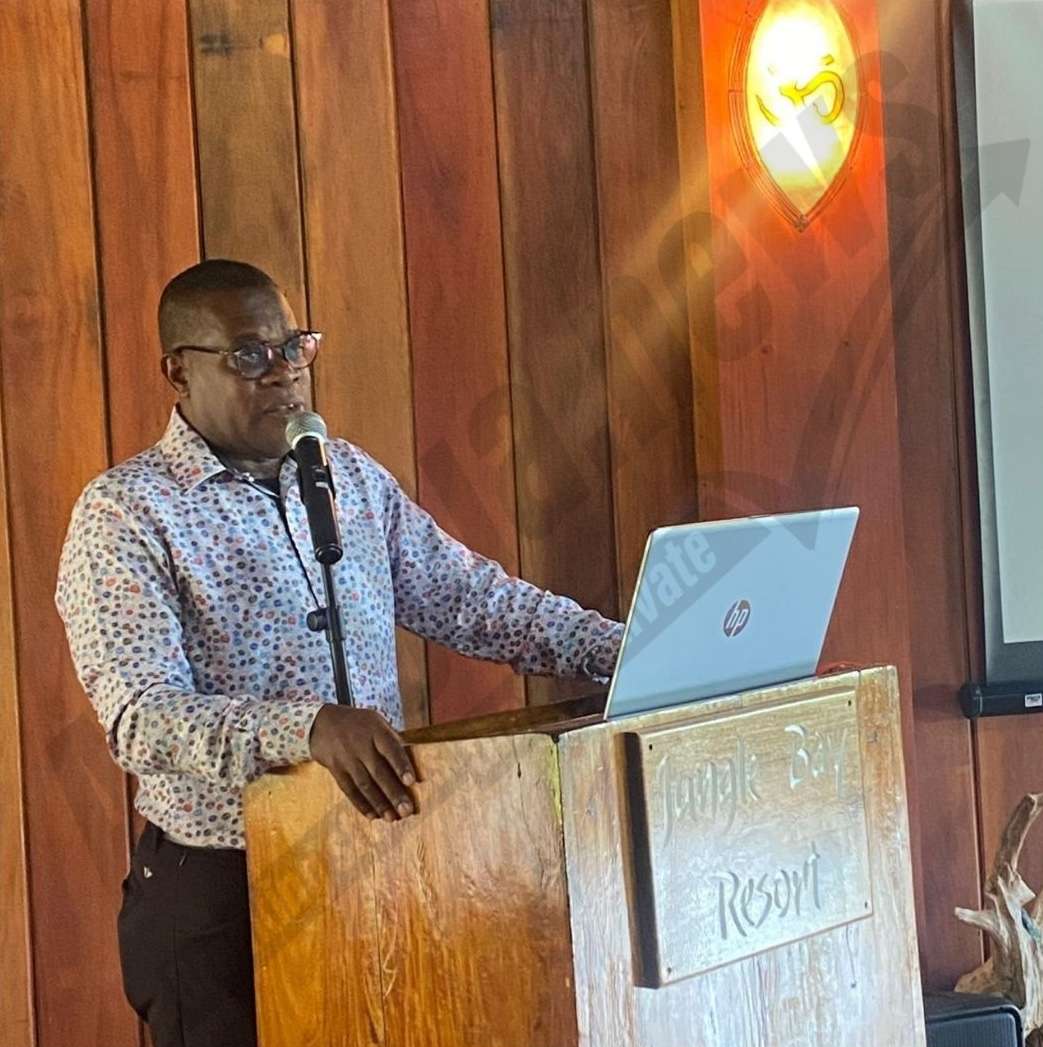
Edgar Hunter, Senior Technical Advisor in Dominica’s Ministry of the Environment (file photo)
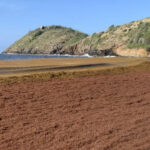
The persistent invasion of sargassum seaweed across the Caribbean — including on the shores of Antigua and Barbuda — remains a serious environmental and economic concern, with no immediate solution in sight. However, one regional expert says the answer lies in stronger collaboration among Caribbean nations.
Speaking at the CETRI Workshop (Caribbean Environmental and Technical Research Initiative) held in Dominica, Edgar Hunter, Senior Technical Advisor in Dominica’s Ministry of the Environment, emphasized that the region’s response to the sargassum influx must be unified and strategic.
“There’s no quick fix to the sargassum problem,” Hunter said in an interview with Starcom Network News following his presentation. “But if CARICOM member states, including Antigua and Barbuda, come together, we can better manage its impacts through shared resources, research, and coordinated action.”
Antigua and Barbuda has experienced growing sargassum invasions in recent years, affecting key coastal areas like Willikies, Indian Creek, and the eastern shores of Barbuda. These large seaweed blooms not only create unpleasant conditions on beaches, but also harm marine habitats, disrupt fishing operations, and pose a threat to tourism a critical pillar of the nation’s economy.
While local agencies have launched cleanup efforts and explored potential uses for the seaweed including composting and energy production the scale of the challenge has stretched resources thin. Hunter believes that greater regional collaboration could help ease the burden on individual countries.

“A regional approach means we can develop early warning systems, share best practices, and explore large-scale uses of sargassum that make economic sense,” he said. “It’s time to move beyond fragmented efforts and think collectively.”
His comments come amid renewed interest across the Caribbean in tackling environmental threats through joint action, particularly as climate change intensifies the frequency and scale of events like sargassum blooms.
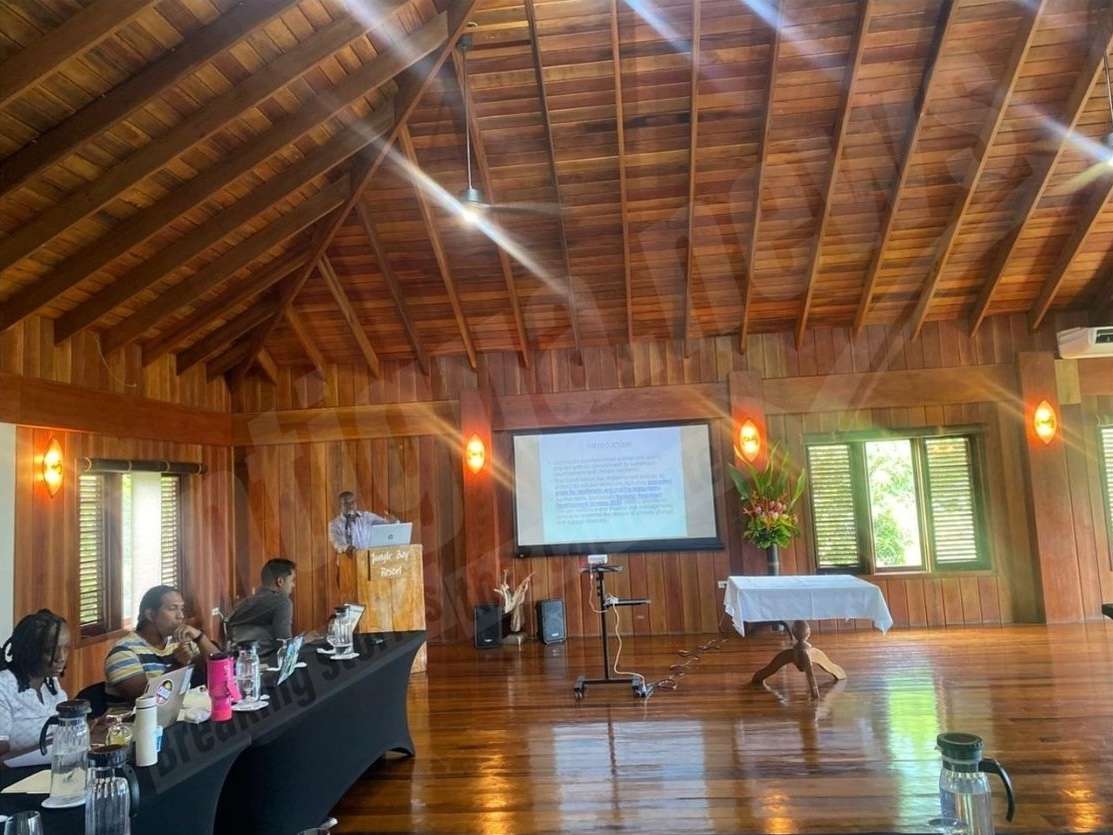
Edgar Hunter speaks at CETRI Workshop (Caribbean Environmental and Technical Research Initiative) held in Dominica
The CETRI Workshop brought together experts and policymakers from across the region to discuss sustainable solutions to shared environmental challenges. The issue of sargassum featured prominently in the discussions, with participants calling for enhanced research, public-private partnerships, and policy alignment across CARICOM states.
For Antigua and Barbuda, Hunter’s remarks underscore a growing consensus: that addressing the sargassum threat requires not just local response, but regional unity backed by science, innovation, and political will.



Yeah this seaweed issue is pretty much an act of God. There is only so much we can do.
Comment *this is an act of God. So there is only so much that we could do.
We can’t get rid of it so better we just get used to it that’s all
Finally, someone saying what needs to be said. This is a regional problem and we need a regional solution.
Early warning systems could help tourism operators and fishers prepare in advance. Let’s use tech to fight this.
Finally, someone said there is no quick fix, but no excuse for fragmented efforts. Let’s build the Caribbean response together, not island by island.
I read somewhere that they will use this smelly thing to make gas. They changed their mind i see