
Forecasters Warn of High Surf Advisory for Antigua and Barbuda

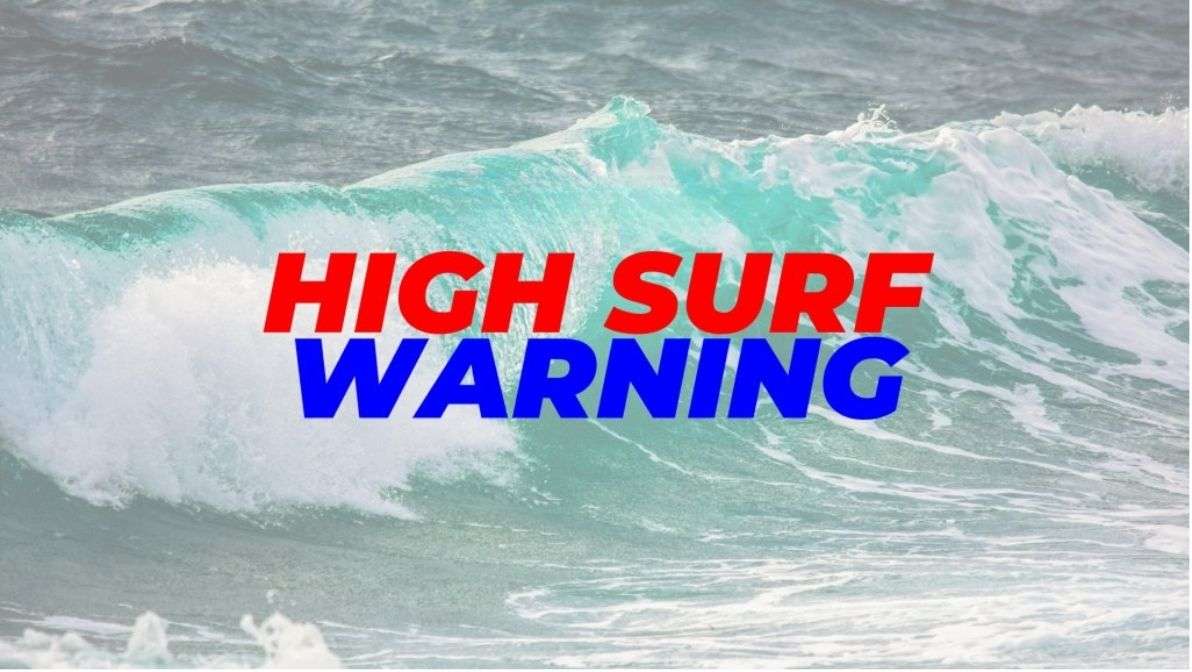
A high surf advisory is in effect for Antigua, Barbuda, Anguilla and the British Virgin Islands as moderate long-period swells move into the area, creating hazardous conditions along northern and eastern coastlines.
The advisory takes effect from Sunday evening into Tuesday, depending on the island, and is expected to bring seas of 6 to 10 feet, with swells occasionally reaching 12 feet.
Forecasters say breaking waves could rise over 6 feet, generating dangerous rip currents and posing threats to swimmers, beachgoers and marine activities.
According to the Antigua and Barbuda Meteorological Service, the swells will mainly affect reefs and exposed northern coastlines where shallow, gently sloping nearshore areas make conditions more severe. High tides, combined with wind and swell action, could also lead to localized flooding and beach erosion.
The potential impacts include strong currents capable of sweeping even experienced swimmers out to sea, injuries to beachgoers, damage to coral reefs, disruptions to marine businesses, and saltwater intrusion into potable water systems. Authorities warn that high surfs can also knock spectators from rocks, jetties and piers.
Beachgoers are urged to exercise extreme caution, stay on sheltered southern beaches where possible, and avoid rocky northern coastlines.
Swimmers caught in a rip current are advised to float, avoid fighting the current, swim parallel to shore to escape, and signal for help if necessary.
Forecaster Letitia Humphreys noted that the threat level is moderate but carries the potential for significant impacts.
This story was first published by Antigua News on August 24, 2025: antigua.news/2025/08/24/forecasters-warn-of-high-surf-advisory-for-antigua-and-barbuda. © 2025 Antigua News. Republication without permission is not allowed.

About the author
Shermain Bique-Charles is an accomplished journalist with over 24 years of dynamic experience in the industry. Renowned for her exceptional storytelling and investigative skills, she has garnered numerous awards that highlight her commitment to journalistic integrity and excellence. Her work not only informs but also inspires, making her a respected voice in the field.
Read our editorial standards and corrections policy. Spotted an error? Contact the newsroom.
More from Antigua and Barbuda
View section
‘They Can’t Dictate That’: Freeland Rejects Player Pressure Over National Coach
Freeland defends the coaching staff and says players should demonstrate their value through training and performance.
By Shermain Bique-Charles

Search Ends as All Four Juveniles Who Escaped Bolans Police Station Return to Police Custody
Police apprehended three of the juveniles during a search operation in Liberta on Thursday morning, less than a day after the fourth surrendered to authorities.
By Cory Wayland

Farmers Given 90 Days to Plant as Government Launches 102-Acre Land-Clearing Programme
Antigua launches a 102-acre agricultural land-clearing programme requiring beneficiaries to establish viable crops within 90 days of land preparation.
By Cory Wayland

Freeland Blames Poor Player Commitment for Antigua and Barbuda’s Basketball Withdrawal
Basketball president acknowledges unpaid stipends but says repeated low practice attendance drove the decision to withdraw.
By Shermain Bique-Charles
Comments (5)
Apex Jones August 24, 2025, 9:03 AM
Rhonda August 24, 2025, 10:50 AM
Informed citizen August 24, 2025, 6:53 PM
Henry August 25, 2025, 5:51 AM
Genique August 25, 2025, 5:52 AM