
















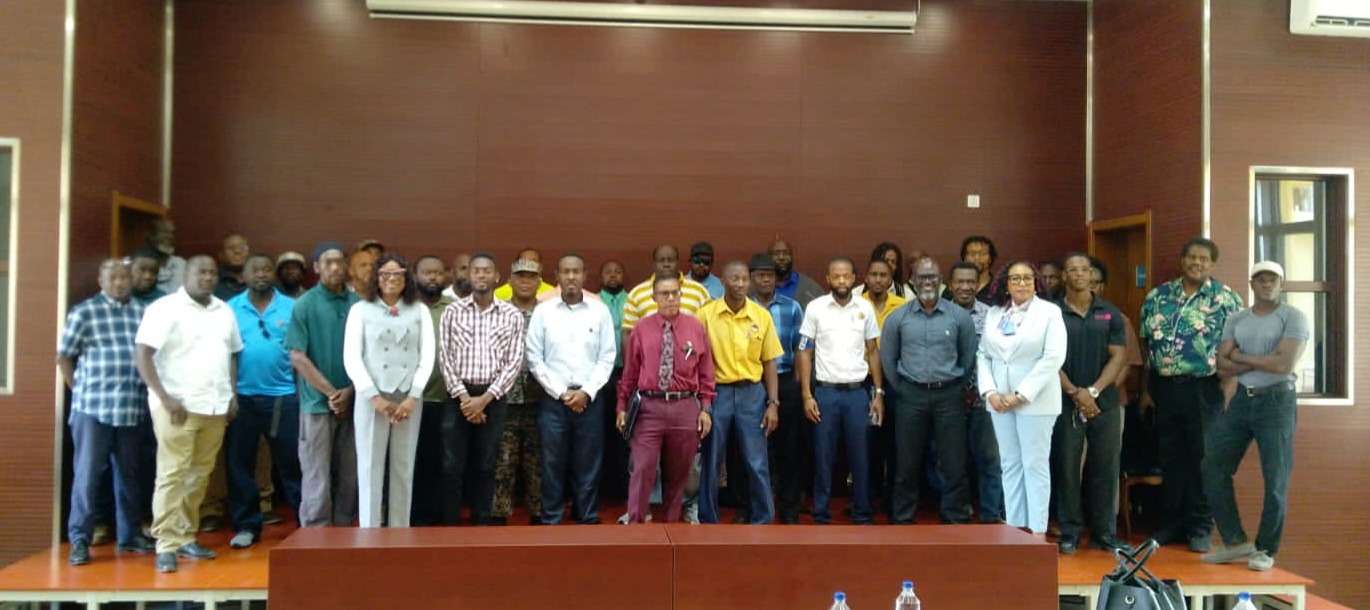
The Directorate of Gender Affairs (DoGA) recently convened its latest Men’s Critical Issues session under the theme “Homeownership & Financial Pressure: The Weight of Stability on Men.”
The discussion highlighted the often-overlooked burdens men face in meeting societal expectations of success, particularly in relation to property ownership and financial security. Participants explored the challenges of economic stress, limited access to housing, family responsibilities, and the emotional strain tied to these pressures.
DoGA officials said the forum provided a safe and supportive environment for men to share openly, reflect, and connect with others facing similar struggles. Attendees expressed appreciation for the opportunity, describing the session as both timely and overdue.

The Directorate reaffirmed its commitment to facilitating dialogue on the social and economic realities affecting men and women across Antigua and Barbuda. Officials said the Men’s Critical Issues series continues to be an important platform in advancing gender equality and social development.
Images and participant quotes from the session are available upon request.





Thank you….forums like these are one of the 1st steps needed in equipping the society to face the present and the future…
Creating a safe space for men to open up is so important. Mental health and financial stress are connected, and forums like this help break the silence.
Gender equality means addressing issues affecting both women and men. DoGA is right to highlight the challenges men face too.
Too often, men’s struggles are overlooked. If men can’t get stable housing or manage financial burdens, it affects entire households. This initiative is timely and important.
I am happy to see that there was a good turnout. I believe that there was a lot to have learned from this workshop.
It appeared to have been a sefa space for men to discuss the critical issues that affect them
This is a great first step discussing the issues that men face. Now develop actionable steps in addressing them because families and society depend on them being strong, supportive leaders.