
Media Institute of the Caribbean Highlights Critical Role of Media in Disaster Response

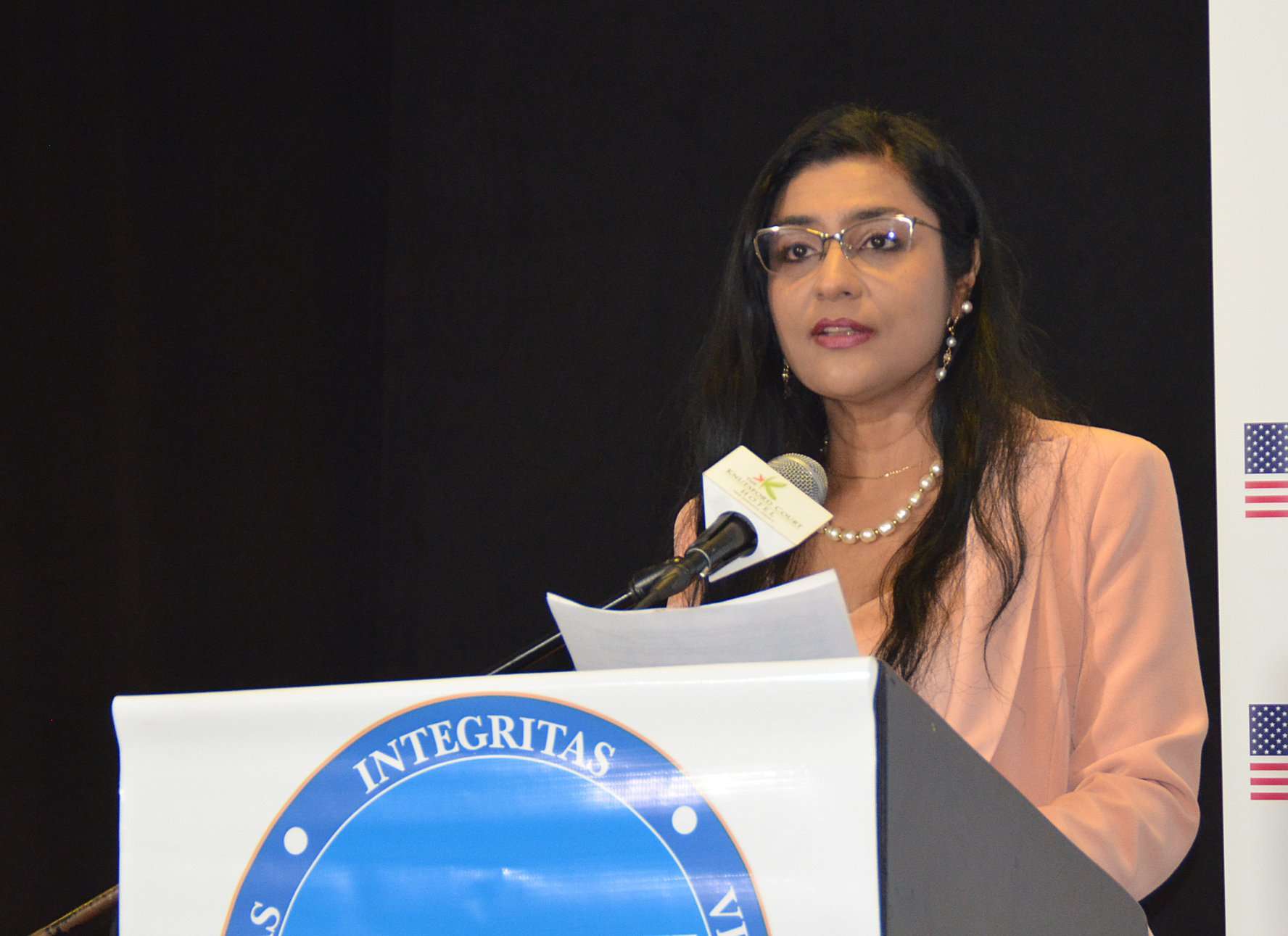
The Media Institute of the Caribbean (MIC), with support from UNESCO, has released a landmark report examining disaster communication and media resilience across seven Caribbean islands.
The report, titled “Disasters and Crises in the Caribbean Region: A Review of Experiences in Seven Islands,” focuses on Antigua and Barbuda, Barbados, Dominica, Grenada, Guyana, Trinidad and Tobago, and Saint Vincent and the Grenadines.
The study emphasizes the region’s vulnerability to hurricanes, flooding, volcanic activity, drought, and health emergencies, underscoring the importance of timely, accurate, and culturally sensitive communication in mitigating disaster impacts. It highlights the vital role local media play in saving lives, countering misinformation, coordinating aid, and amplifying community voices, even when operating under hazardous conditions and limited resources.
The report also identifies key gaps in disaster preparedness and communication, calling for stronger investment in newsroom infrastructure, safety equipment for field reporters, and redundant communication channels. It urges closer collaboration between media, government authorities, and humanitarian organizations to ensure coordinated and effective messaging during crises.
“This report is a call to action for governments, media leaders, and international partners. Strengthening the communicative infrastructure of the Caribbean is not optional in the era of climate and health emergencies. It is essential to saving lives, preserving development gains, and sustaining democracy,” said Kiran Maharaj, President of the Media Institute of the Caribbean.
Dr. Paul Hector of UNESCO’s Regional Office for the Caribbean noted that the findings underscore the need for policy reforms, institutional investment, and community engagement to build a safer and more resilient Caribbean.
The report is now available online at the Media Institute of the Caribbean’s website: www.mediainstituteofthecaribbean.com and can be accessed via FlippingBook: https://online.flippingbook.com/view/970074714/

About the author
The Editorial Staff refers to all reporters employed by Antigua.news. When an article is not an original creation of Antigua.news—such as when it is based on a press release, other media articles, letters to the editor, or court decisions—one of our staff members is responsible for overseeing its publication.
Read our editorial standards and corrections policy. Spotted an error? Contact the newsroom.
More from Antigua and Barbuda
View section
Studies Advance for Proposed Barbuda River Port Relocation
Environmental assessment and ground testing will guide the project, with a public town hall planned before construction begins.
By Shermain Bique-Charles

All-Girls Robotics Team Presents HAWK to Prime Minister and Cabinet
Five students showcased their robot, HAWK, to Cabinet ahead of the FIRST Global Challenge in South Korea from October 7 to 10.
By Shermain Bique-Charles

British Airways Adds 3,000 Seats to Antigua as Daily Flights Extended Through April 2027
Strong UK demand drives expanded London Gatwick service into the spring season
By Cory Wayland

Two Men Remanded Over Villa Shooting and Ottos Robberies
Javia Peters and Saquami Christian face joint charges linked to a September 27 shooting and two robberies.
By Shermain Bique-Charles
Comments (1)
Juju Bee September 30, 2025, 5:09 PM