
















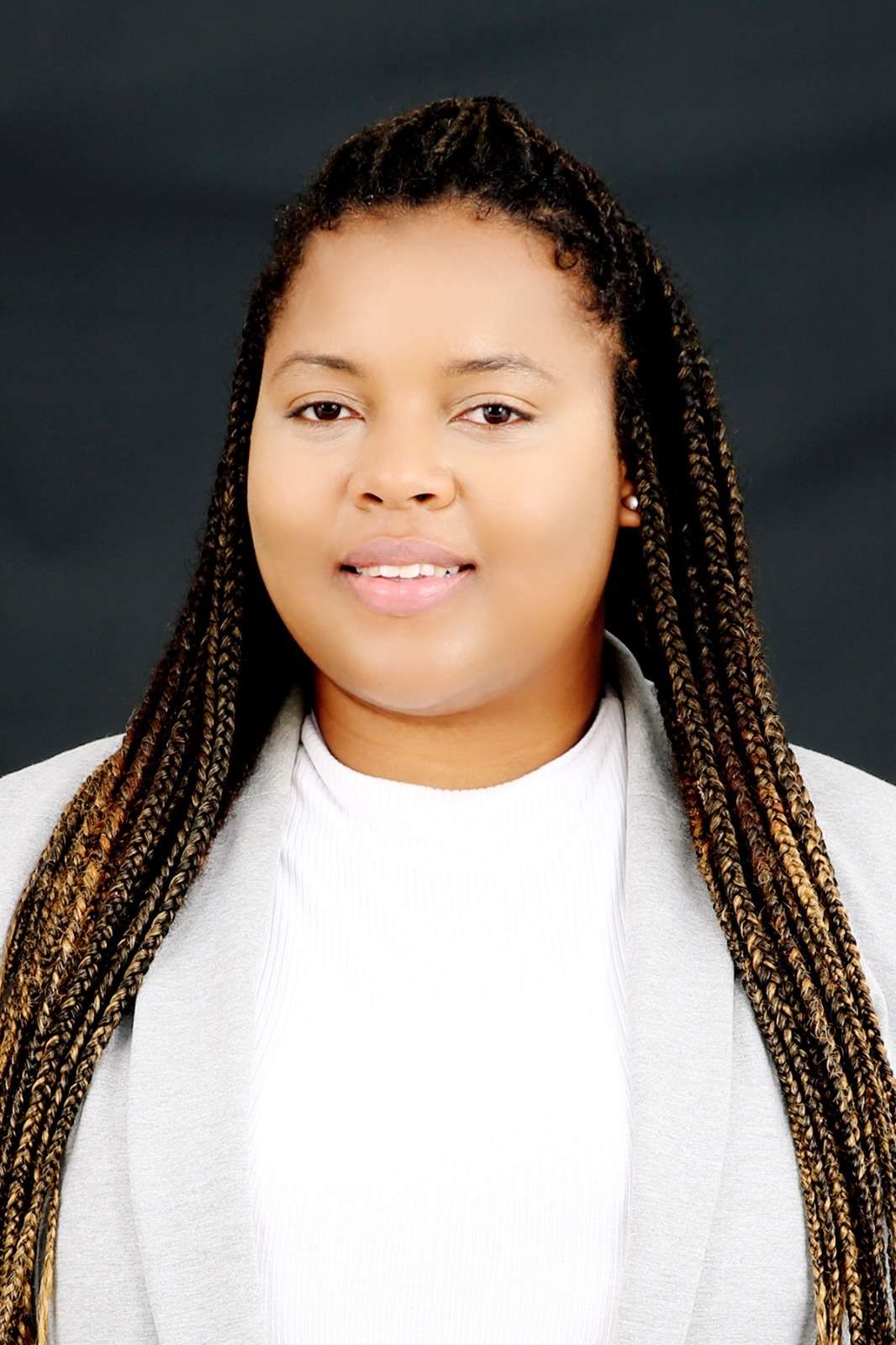
IHO Director of Operations, Britney McDonald
As global leaders convene in Belém, Brazil for COP30, Antigua and Barbuda–based Integrated Health Outreach Inc. (IHO) is joining civil society voices demanding stronger action on climate change. Representing the organisation, Director of Operations Britney McDonald is advocating for urgent commitments that protect Small Island Developing States (SIDS), especially as extreme climate impacts accelerate across the Caribbean and other vulnerable regions.
Speaking from COP30, McDonald highlights the growing calls from women, youth, Indigenous peoples and community groups: “We have heard the promises; what we need now is inclusive and decisive action. Our islands cannot wait through layers of bureaucracy while lives, homes, and natural resources are at stake.”
With global temperatures projected to rise 2.3–2.5°C by 2100, far above the 1.5°C limit fiercely championed by SIDS, the stakes for countries like Antigua and Barbuda are severe. Communities are already experiencing harsher droughts, stronger storms, sea-level rise, coastal erosion, coral reef collapse, and agricultural losses, further straining economies and social systems.

IHO stresses that civil society plays a crucial role in pushing for accountability and climate ambition. The organisation underscores how climate impacts disproportionately affect women, who often bear responsibility for water, food and fuel in crisis situations, and who face greater economic and social vulnerability when natural resources decline. Gender-responsive planning, IHO argues, must therefore be central to climate adaptation.
Reflecting on remarks by UN Secretary-General António Guterres, warning that surpassing 1.5°C could trigger catastrophic tipping points, McDonald says Caribbean communities are already living this reality: “We cannot face this alone. Governments must act now, not leave today’s crises to be inherited by generations to come.”
IHO insists that world leaders must engage vulnerable communities, mobilise resources for adaptation, and make bold decisions that prioritise people’s survival and well-being. Meanwhile, civil society must continue to monitor government and industry actions, expose environmental injustice, empower local voices, and ensure commitments translate into real, measurable change.
IHO’s participation at COP30 is supported by the Equality Fund, which provides long-term funding for women’s rights organisations worldwide. The organisation will continue sharing updates as it collaborates with global partners and civil society groups throughout the summit, which runs from November 10–21, 2025.




If I have to read one more climate story
The science is clear: global temperatures continue to rise, and COP30 has no choice but to confront that reality head-on.
Accountability and climate justice are long overdue. Small islands have been carrying the burden for too long.