
‘We Cannot Discriminate,’ Lifelong Learning Unit Head Says

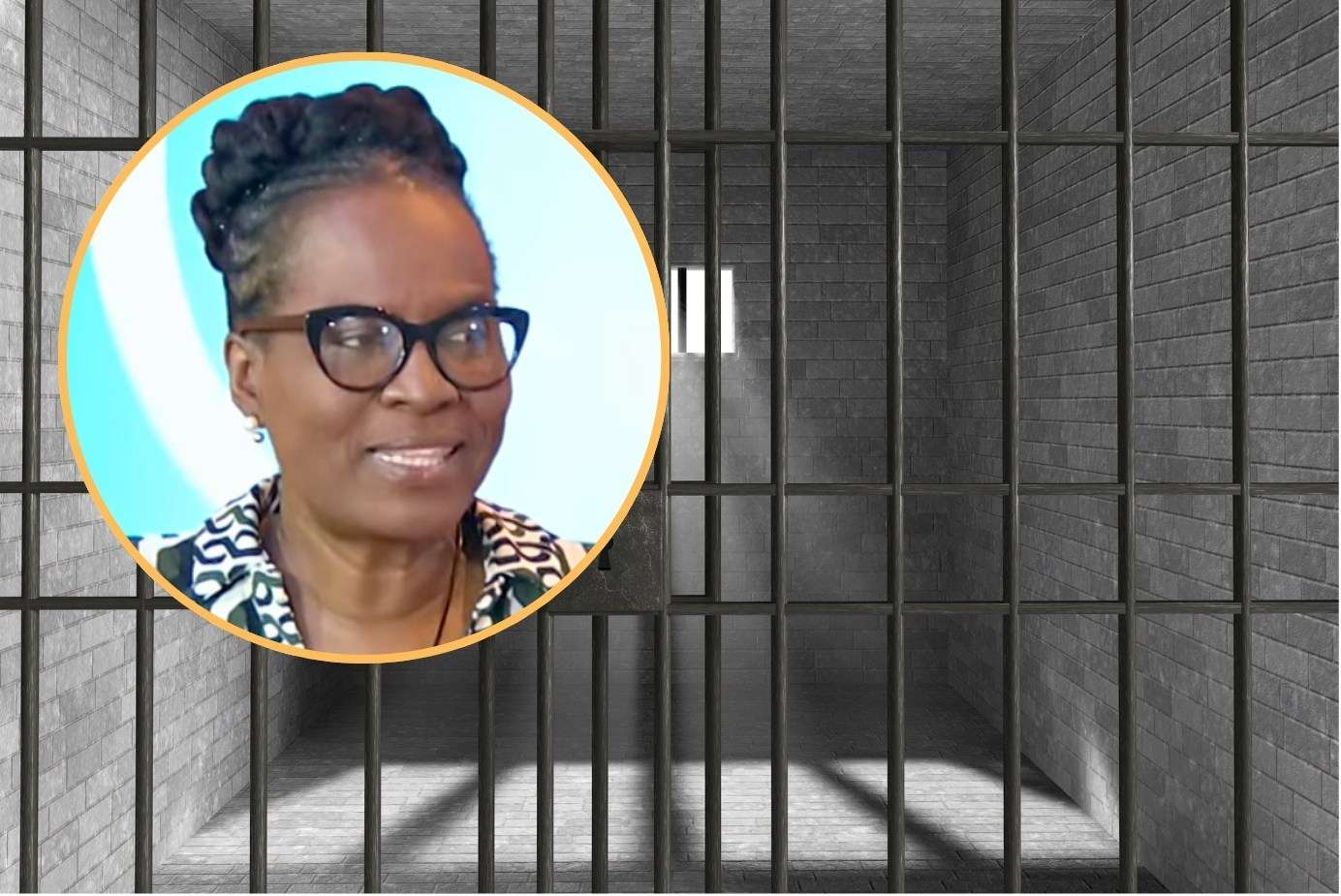
Head of the UWI Five Islands Lifelong Learning Unit Paula Lee says that while she sympathizes with victims and their families, education remains a right—even for those who are incarcerated.
Lee spoke amid recent outrage over incarcerated graduates of the program.
Debate on social media has been intense, with many split on whether some offenders, depending on their crimes, should be allowed to join classes.
But Lee says this isn’t a simple, black‑and‑white issue—it’s complex and must be examined from all angles.
“There are several layers to this conversation. There’s the legal, the emotional, and the academic.”
“The legal has been taken care of and I didn’t learn this. I just thought about it because of all the comments that have been posted. I said, how can you be fair, Paula, to the families that would have been robbed of a son, a daughter, a mother, a father? We must never forget that they grieve but we must also understand that these residents of the prison, it’s a legal matter in that their freedom, it has been restricted. That’s the punishment.”
“Then the other layer is the emotional and yes, my baby daddy died tragically when you stabbed him. Somebody was raped and all of that. I feel it. I’m compassionate towards those people and we must never, ever forget that what happened to them will impact them for the rest of their lives. So, it’s not a matter to be just lightly brushed away. But then, there’s also the education. The learning and development layer,” Lee said.
Lee warned that excluding one group could create a ripple effect and lead to broader problems for the University.
“The United Nations speaks about education being a right. The University of the West Indies offers a product. Through that product, anyone, disability, persons in prison, old, young, middle-aged, you can access education. If we do otherwise, we’re discriminating and that’s a flaw in the realm of universities. There should be no discrimination.
“So yes, I understand all the emotions and everything but at the same time, we have a responsibility to provide access to anyone who wishes to have access and that’s what I’ll say about that,” Lee added.
Last month, The University of the West Indies Five Islands Campus awarded certificates to 432 graduates from its Lifelong Learning Unit for completing short courses that build practical, job‑ready skills.
Among the graduates were incarcerated students. This is not new—incarcerated persons have participated in the program for years.
The awards and presentation ceremony was held at the campus’ Assembly Hall.
Registration is now open for the 2026 short courses.
Register via the UWI website.
Classes meet two days per week from 5:30 pm to 7:00 pm at the Five Islands Campus.
This story was first published by Antigua News on : antigua.news/2025/11/19/we-cannot-discriminate-lifelong-learning-unit-head-says. © 2025 Antigua News. Republication without permission is not allowed.

About the author
The Editorial Staff refers to all reporters employed by Antigua.news. When an article is not an original creation of Antigua.news—such as when it is based on a press release, other media articles, letters to the editor, or court decisions—one of our staff members is responsible for overseeing its publication.
Read our editorial standards and corrections policy. Spotted an error? Contact the newsroom.
More from Antigua and Barbuda
View section
Chinese Partners Join Social Protection Board in Successful Food Distribution
Donated meals and hands-on support bring assistance to members of the public, with Operations Manager Emily Baltimore praising the partnership.
By Shermain Bique-Charles

Residents Inside CHOGM Security Zone Warned About Temporary Re-entry Restrictions
Police say people may leave their homes during the opening ceremony restrictions but could face difficulty returning before controls are lifted.
By Shermain Bique-Charles

No Nationwide Lockdown for CHOGM, Officials Assure Public
Temporary security restrictions and convoy stops will affect selected areas while businesses and essential services continue operating.
By Shermain Bique-Charles

Police Say Previous Grays Farm Investigation Led To Washington Bramble’s Arrest at Town Hall Meeting
Police say several attempts to locate Bramble for questioning had been unsuccessful before officers arrested him during Wednesday’s town hall meeting.
By Cory Wayland
Comments (3)
From Afar November 19, 2025, 5:40 PM
Juju Bee November 19, 2025, 5:52 PM
Informed citizen November 19, 2025, 6:31 PM