
MBS Spends $40 Million Annually Treating Non-Communicable Diseases and Overseas Medical Care

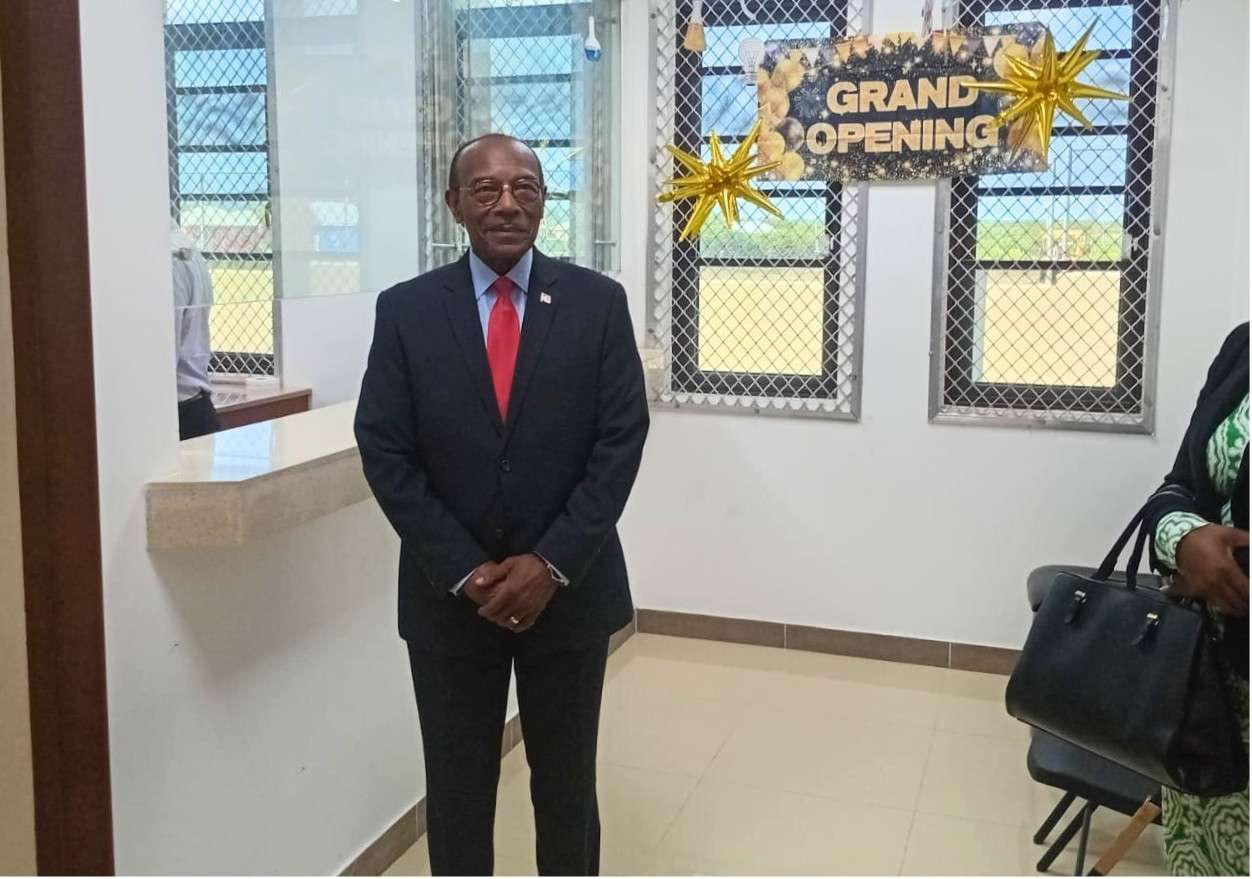
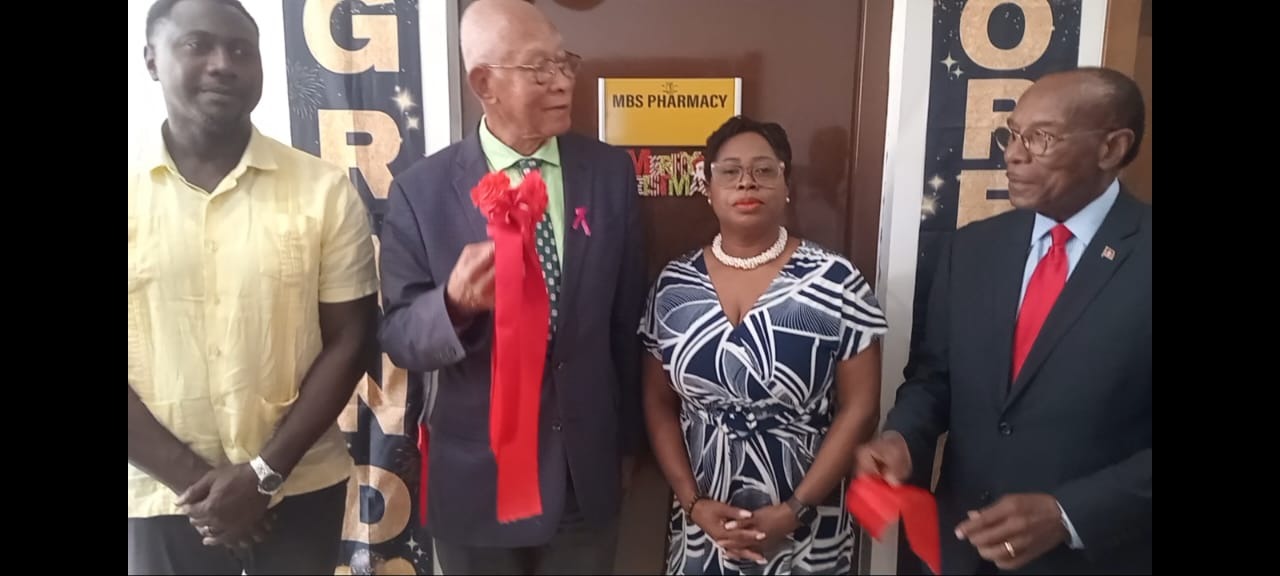
The Medical Benefits Scheme (MBS) is spending more than $40 million annually on medications and overseas medical treatment, with the majority of those costs driven by the growing burden of non-communicable diseases (NCDs), according to Health Minister Sir Molwyn Joseph.
The disclosure was made on Thursday as Sir Molwyn addressed the opening ceremony of a new MBS satellite pharmacy at the Villa Polyclinic.
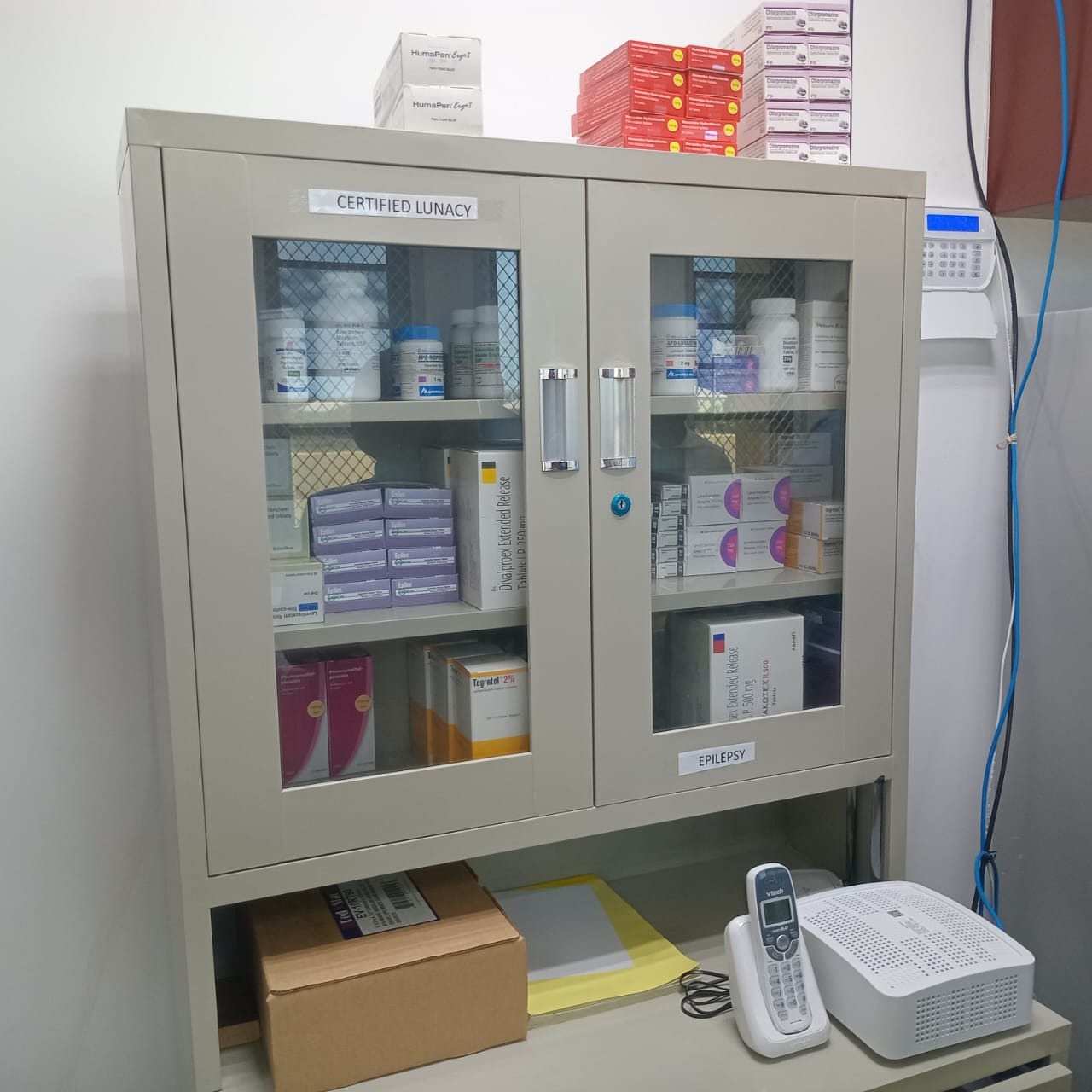
Sir Molwyn revealed that approximately $25 million is spent each year through the Organisation of Eastern Caribbean States (OECS) Drug Procurement Programme to purchase medications, primarily for the treatment of NCDs. He noted that MBS is the leading contributor within the programme, consistently meeting all of its financial and procurement obligations.
“These drugs are largely used to treat non-communicable diseases, which remain one of the most serious challenges facing our healthcare system,” Sir Molwyn said.
In addition, he disclosed that another $15 million annually is allocated to sending patients overseas for specialised medical care that is not currently available in Antigua and Barbuda.
The Health Minister warned that without a fundamental shift toward prevention, the financial and human cost of NCDs will continue to rise.
“The cost of non-communicable diseases is not just measured in dollars and cents,” he said. “It is measured in lives lost. If we do not evolve in how we manage these diseases, the number of cases will continue to increase.”
Sir Molwyn outlined what he described as a “parallel tracks” approach to addressing the crisis — continuing to treat existing illnesses while simultaneously investing more aggressively in prevention.
“We cannot remain trapped in a cycle where we are always treating disease and not investing in preventing disease,” he cautioned. “If we do not take seriously the promotion, encouragement, and institutionalisation of healthy lifestyles, we are not going to win this battle.”
Dr. Andre Bovell also highlighted the growing complexity of healthcare delivery in Antigua and Barbuda, pointing to an ageing population and a sharp rise in conditions such as heart disease, diabetes, cancer, and chronic respiratory illnesses.
Health officials say the figures underscore the urgent need for stronger public health education, early intervention, and lifestyle changes to reduce the long-term strain on the healthcare system.
This story was first published by Antigua News on : antigua.news/2025/12/19/mbs-spends-40-million-annually-treating-non-communicable-diseases-and-overseas-medical-care. © 2025 Antigua News. Republication without permission is not allowed.

About the author
The Editorial Staff refers to all reporters employed by Antigua.news. When an article is not an original creation of Antigua.news—such as when it is based on a press release, other media articles, letters to the editor, or court decisions—one of our staff members is responsible for overseeing its publication.
Read our editorial standards and corrections policy. Spotted an error? Contact the newsroom.
More from Antigua and Barbuda
View section
Antigua and Barbuda First in Eastern Caribbean to Sign UN Development Framework for 2027–2031
The agreement will guide cooperation on economic diversification, climate resilience, social protection and other development priorities.
By Shermain Bique-Charles

Parker Defends Call for Age of Consent at 18 in Response to ASPIRE
Senator calls for stronger protection against sexual exploitation alongside adolescent healthcare, education and safeguards for relationships between young people close in age.
By Shermain Bique-Charles

Greene Says CHOGM Could Open Doors for UWI Five Islands
Foreign minister identifies international student recruitment and academic connections as potential longer-term opportunities. Meta description: Greene says CHOGM could help UWI Five Islands promote its programmes and build connections with Commonwealth countries.
By Shermain Bique-Charles

West Indies Oil Seeks Coordination on Fuel Deliveries During CHOGM
Police ask the company to provide delivery dates and times so movements can be coordinated with security arrangements.
By Cory Wayland
Comments (6)
Juju Bee December 19, 2025, 5:32 PM
Frenchy December 19, 2025, 6:39 PM
Mary December 19, 2025, 6:55 PM
Informed citizen December 19, 2025, 10:23 PM
unruly one December 20, 2025, 1:37 PM
Dark Chocolate December 20, 2025, 2:09 PM