
Brazil Signals Strong Support for New IICA Director General Muhammad Ibrahim

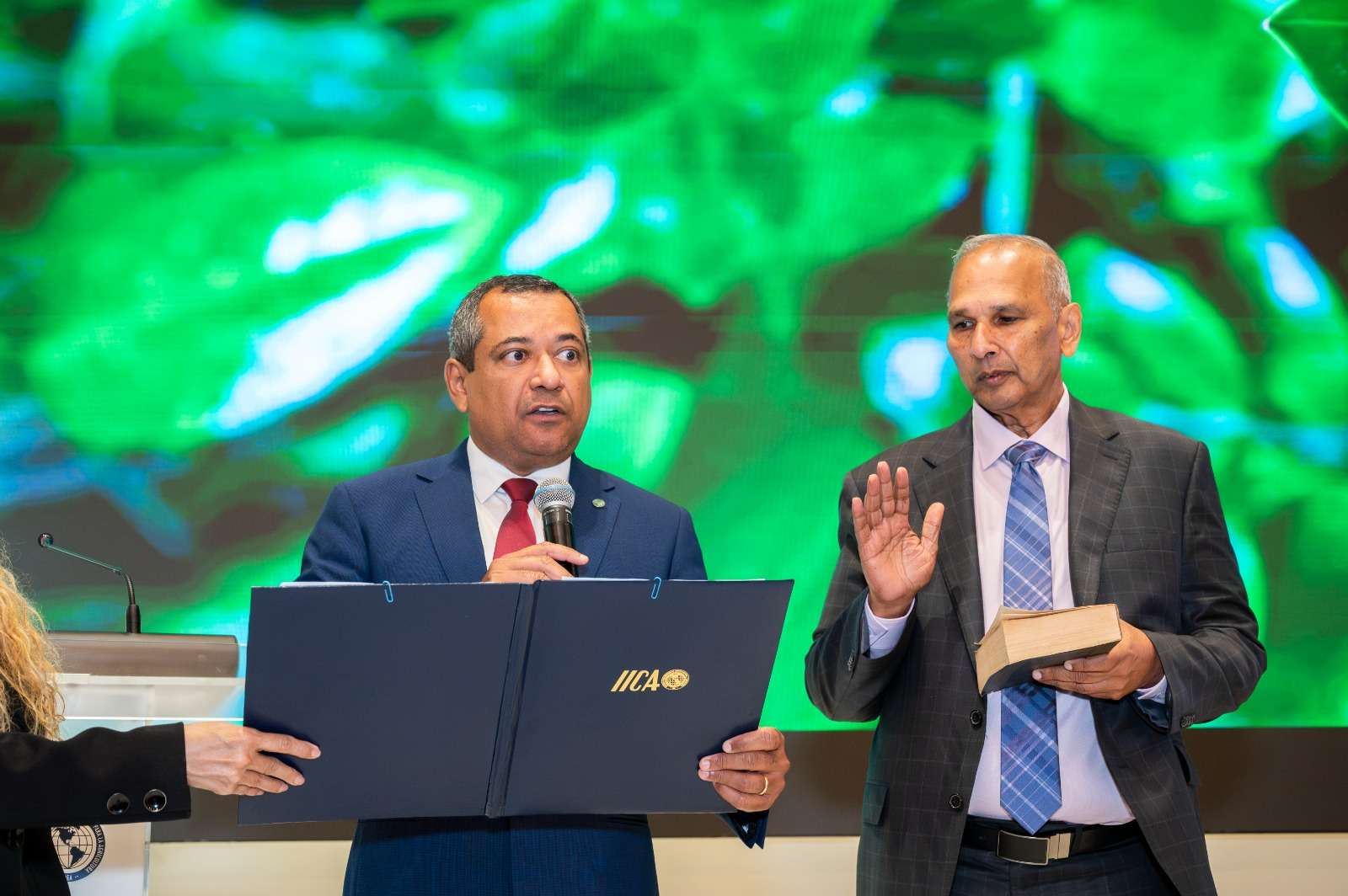
Brazil has expressed strong confidence in the leadership of newly sworn-in Inter-American Institute for Cooperation on Agriculture (IICA) Director General Muhammad Ibrahim, pledging to deepen cooperation with the regional body and its member states under his administration.
Speaking during Ibrahim’s swearing-in ceremony at IICA Headquarters in San José, Cleber Soares, Brazil’s Deputy Minister (Executive Secretary) of Agriculture and Livestock, said his government has “very high expectations” for the Guyanese agronomist’s tenure.
Soares administered the oath of office on behalf of Brazil’s Minister of Agriculture and Livestock, Carlos Fávaro, who also serves as Chair of IICA’s Inter-American Board of Agriculture, the organization’s highest governing body.
He praised Ibrahim’s extensive experience in agricultural development and his understanding of the challenges facing the Americas, particularly in the areas of competitiveness, science, technology, and innovation.
“Brazil stands ready to work with IICA and other member states under the new administration,” Soares said, noting that discussions are already underway with Ibrahim to explore avenues of collaboration.
He said Brazil intends to share its expertise in tropical agriculture, including sustainable livestock farming, technological development, value addition, and improved market access for farmers across the region.
Ibrahim, who was elected in November by the ministers of agriculture of the Americas, will serve a four-year term. He succeeds Argentina’s Manuel Otero, who completed two consecutive terms as IICA’s Director General.
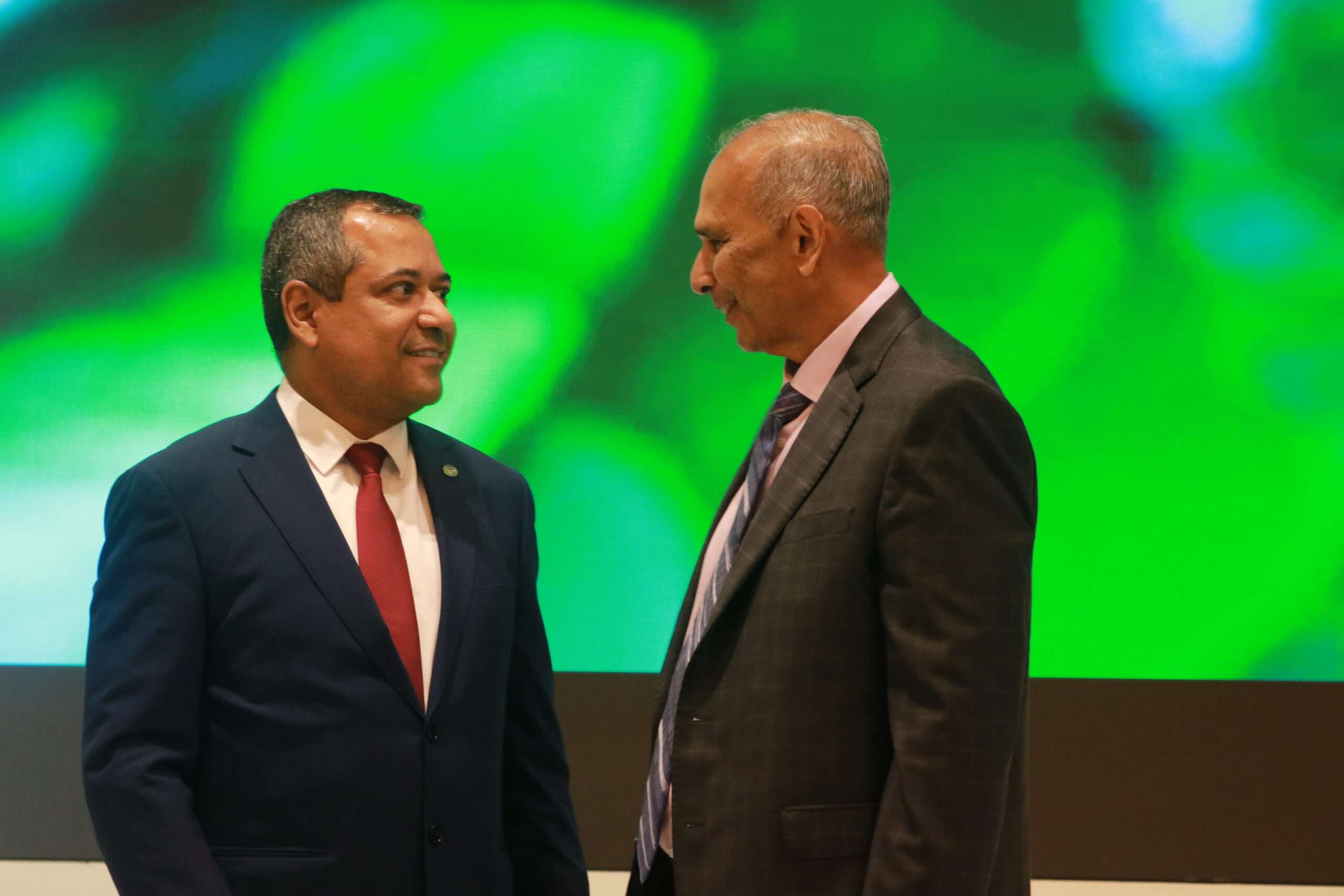
Reflecting on Brazil’s own agricultural transformation, Soares highlighted how the country moved from being a net food importer to a global agricultural powerhouse within a few decades, largely due to investments in research, innovation, and sustainable practices.
He suggested that one of IICA’s key priorities under Ibrahim should be strengthening connections between major food-producing countries like Brazil and nations that remain heavily dependent on imports, particularly in Central America and the Caribbean.
Soares also emphasized the importance of better integrating small farmers into modern agricultural systems through access to technology, training, and markets.
“Our producers need to manage their farms better, to know not only what to produce, but how to sell, distribute, purchase inputs, and adapt to climate change,” he said, warning that the re-emergence of plant and animal diseases underscores the need for regional cooperation in agricultural health.
The Brazilian official further underscored the importance of expanding access to credit and agricultural insurance for small-scale farmers, especially in tropical regions where climate risks are high.
“Without credit, it is impossible for producers, especially small farmers, to produce,” Soares said, adding that agricultural insurance is critical to protecting farmers from potential losses.
As Ibrahim begins his tenure at IICA, Brazil has made clear that it intends to play a central role in shaping the organization’s agenda and strengthening hemispheric cooperation in agriculture.

About the author
The Editorial Staff refers to all reporters employed by Antigua.news. When an article is not an original creation of Antigua.news—such as when it is based on a press release, other media articles, letters to the editor, or court decisions—one of our staff members is responsible for overseeing its publication.
Read our editorial standards and corrections policy. Spotted an error? Contact the newsroom.
More from Caribbean
View section
St. Kitts DPP Seeks Antigua’s Help in Outstanding Case Involving Former Resort Clerk
By Shermain Bique-Charles

Royal Caribbean in Talks to Buy Half of Sandals in Reported $3 Billion Deal
By Shermain Bique-Charles
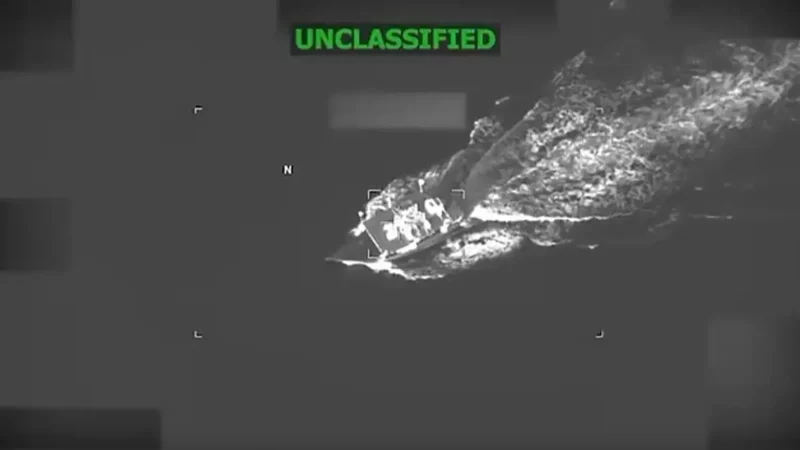
Four Killed in Latest US Military Strike on Suspected Drug Vessel in Caribbean
By Shermain Bique-Charles
Browne, Commonwealth Secretary-General Review Final Preparations for CHOGM 2026
By Editorial Staff
Comments
Be the first to comment.