
St. Paul Residents Invited to Join Crab Hole Wetland Cleanup Later Today Under

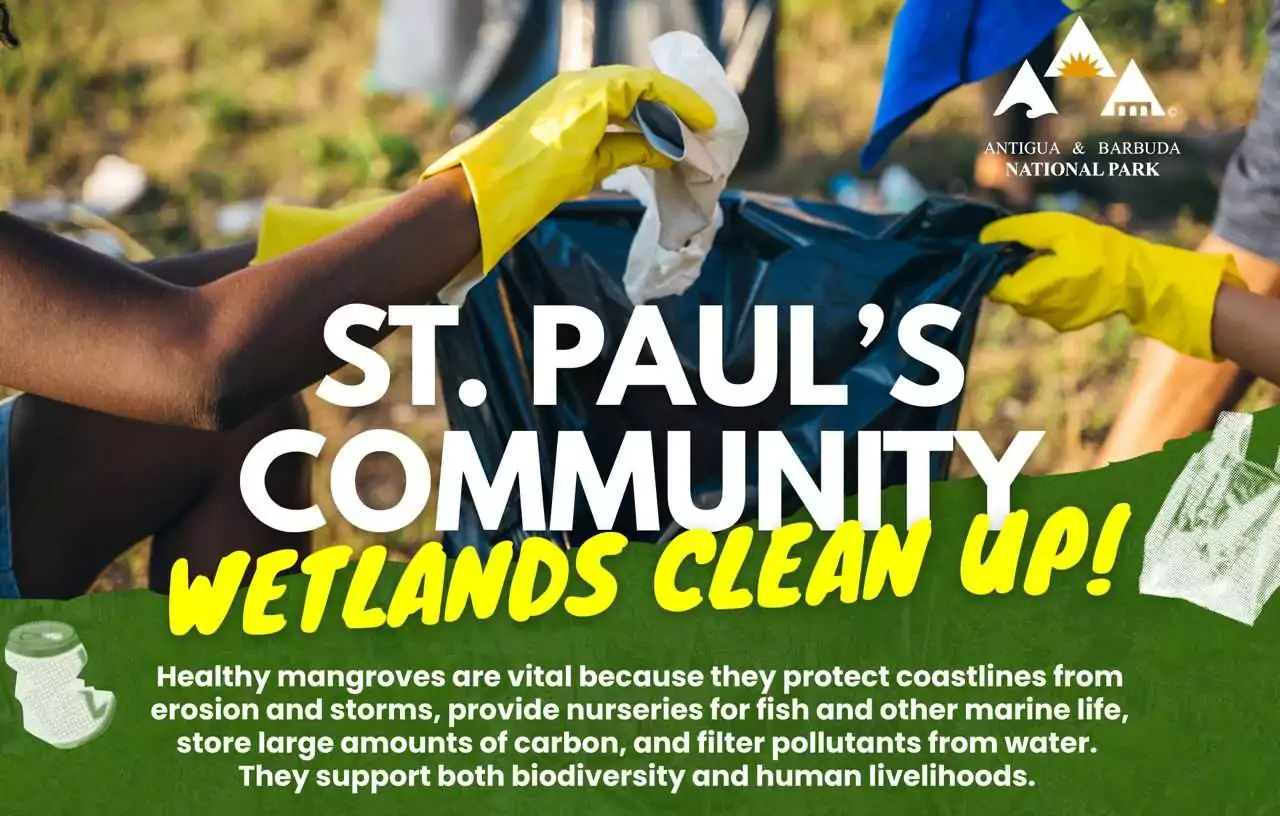
Residents of St. Paul’s and surrounding communities within the Nelson’s Dockyard National Park (NDNP) are being encouraged to take part in a wetland cleanup this Sunday, January 25, at the Crab Hole Wetland from 3:00 p.m. to 5:00 p.m.
The cleanup forms part of ongoing activities under the EbA Caribbean Project, a regional climate resilience initiative, and aims to protect and restore a critical wetland ecosystem while fostering greater community involvement in environmental stewardship.
Participants are asked to meet at the Crab Hole Liquors parking lot and to dress appropriately for muddy conditions, as recent rainfall has left the area wet.
The cleanup is one of several community-based and technical activities taking place between January 24 and January 27 as part of the project’s work in Antigua and Barbuda. Locally, the EbA Caribbean Project is being implemented within NDNP by Integrated Health Outreach (IHO) in collaboration with the National Parks Authority (NPA).
Over the weekend, community members are also participating in training sessions focused on wetlands monitoring and assessment, including drone mapping, water quality testing and species monitoring. These sessions are being facilitated by marine ecologist Dr. Craig Dahlgren, the project’s Wetlands and Coastal Consultant, in collaboration with NPA.
On Monday, January 26, technical staff and project teams will conduct marine species monitoring on the Falmouth Harbour side of the Crab Hole Wetland throughout the morning. This will be followed on Tuesday, January 27, by a community focus group and meet-and-greet hosted by IHO at Wadadli Spaces from 6:00 p.m. to 8:00 p.m. The session will provide residents and stakeholders with an opportunity to ask questions, share feedback, and learn more about the project and its long-term goals.
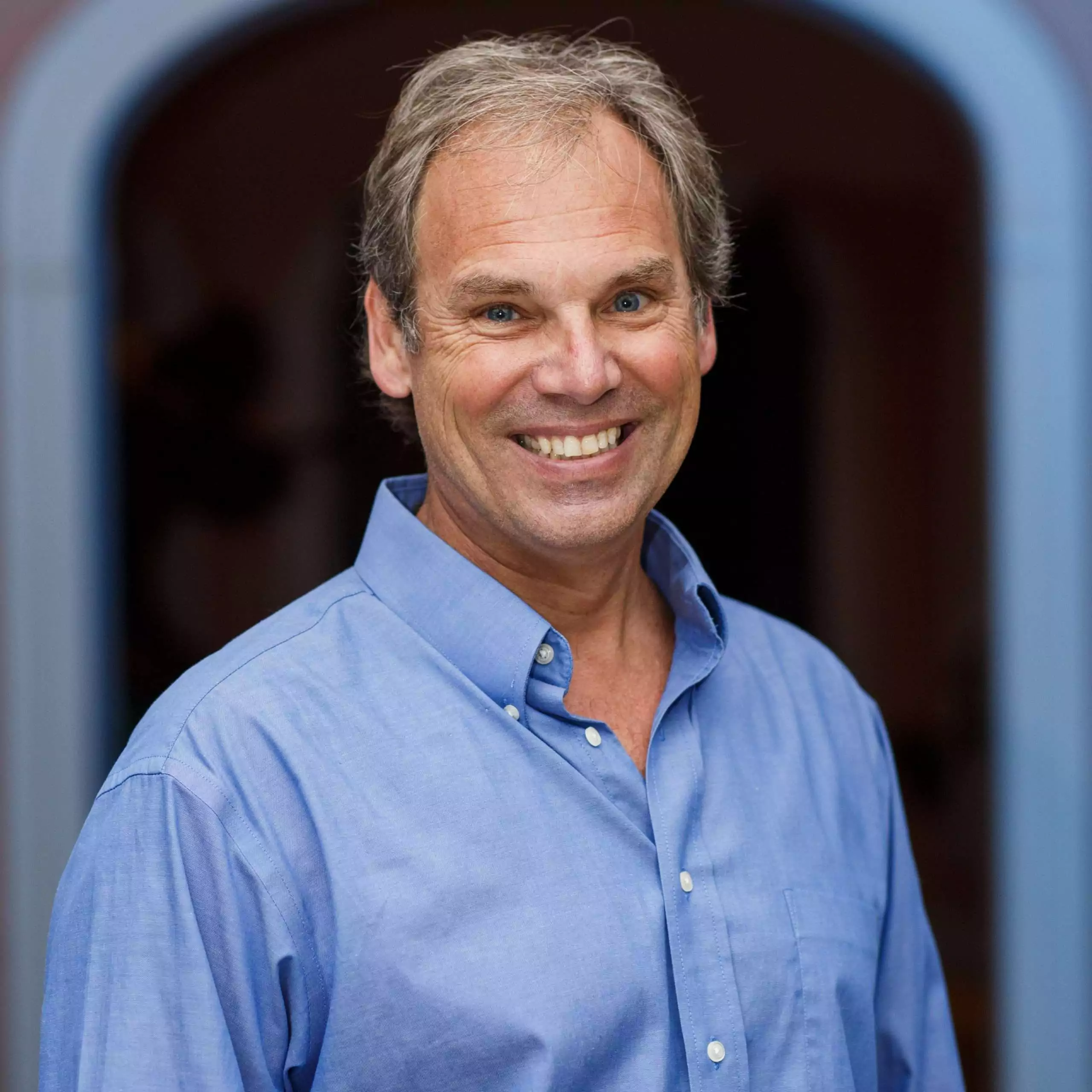
Several international partners have travelled to Antigua and Barbuda to participate in the week’s activities, including Dr. Dahlgren and representatives from the Dominican Republic, who are responsible for implementing the EbA Caribbean Project there. The visiting partners will observe activities on the ground, exchange experiences, and contribute insights drawn from their own project sites.
The EbA Caribbean Project seeks to strengthen climate resilience through ecosystem-based adaptation (EbA) — an approach that uses the protection and restoration of natural ecosystems to reduce vulnerability to climate change while supporting sustainable livelihoods.
The project is funded by the Caribbean Biodiversity Fund (CBF) under its official title, Strengthening regional climate resilience and supporting green economic recovery through ecosystem-based adaptation (EbA) and sustainable livelihoods in the Dominican Republic, Antigua and Barbuda, and Jamaica. It is co-financed by the International Climate Initiative (IKI) of the German Federal Ministry for the Environment through KfW Development Bank, and implemented by UNEP-WCMC, Oracabessa Marine Trust (OMT), Integrated Health Outreach Inc. (IHO), Consorcio Ambiental Dominicano (CAD), and the Instituto Tecnológico de Santo Domingo (INTEC).
Residents are encouraged to come out on Sunday and play their part in protecting one of Antigua and Barbuda’s valuable natural ecosystems.

About the author
Shermain Bique-Charles is an accomplished journalist with over 24 years of dynamic experience in the industry. Renowned for her exceptional storytelling and investigative skills, she has garnered numerous awards that highlight her commitment to journalistic integrity and excellence. Her work not only informs but also inspires, making her a respected voice in the field.
Read our editorial standards and corrections policy. Spotted an error? Contact the newsroom.
More from Antigua and Barbuda
View section
Think Before You Press Send: Jeffers Urges Greater Care in Workplace Communication
Management consultant Vernon A. Jeffers Sr. warns that careless emails, unnecessary copying and emotionally charged responses can damage workplace relationships and unnecessarily escalate issues.
By Cory Wayland

Alzarri Joseph Lands US$230,000 Gulf Giants Deal in ILT20 Auction
Antiguan fast bowler Alzarri Joseph was snapped up by Gulf Giants for US$230,000 in one of the biggest deals of the DP World ILT20 auction.
By Cory Wayland

Chief Magistrate Visits Prison, Leads Workshop on Treatment of Inmates
Ngaio Emanuel meets new Prison Superintendent Albert Wade and leads a workshop on prisoner treatment, use of force, ethics and remand deductions.
By Shermain Bique-Charles

Jury Acquits Man of Serious Indecency and Indecent Assault After Four-Hour Deliberation
An 8–1 majority verdict cleared the accused of both charges arising from allegations made during a hot-stone full-body massage at a spa in February 2025.
By Cory Wayland
Comments (2)
Informed citizen January 25, 2026, 9:30 PM
Juju Bee January 25, 2026, 3:00 PM