















Prime Minister Browne Teams Up With Gramps Morgan on New Reparations Song
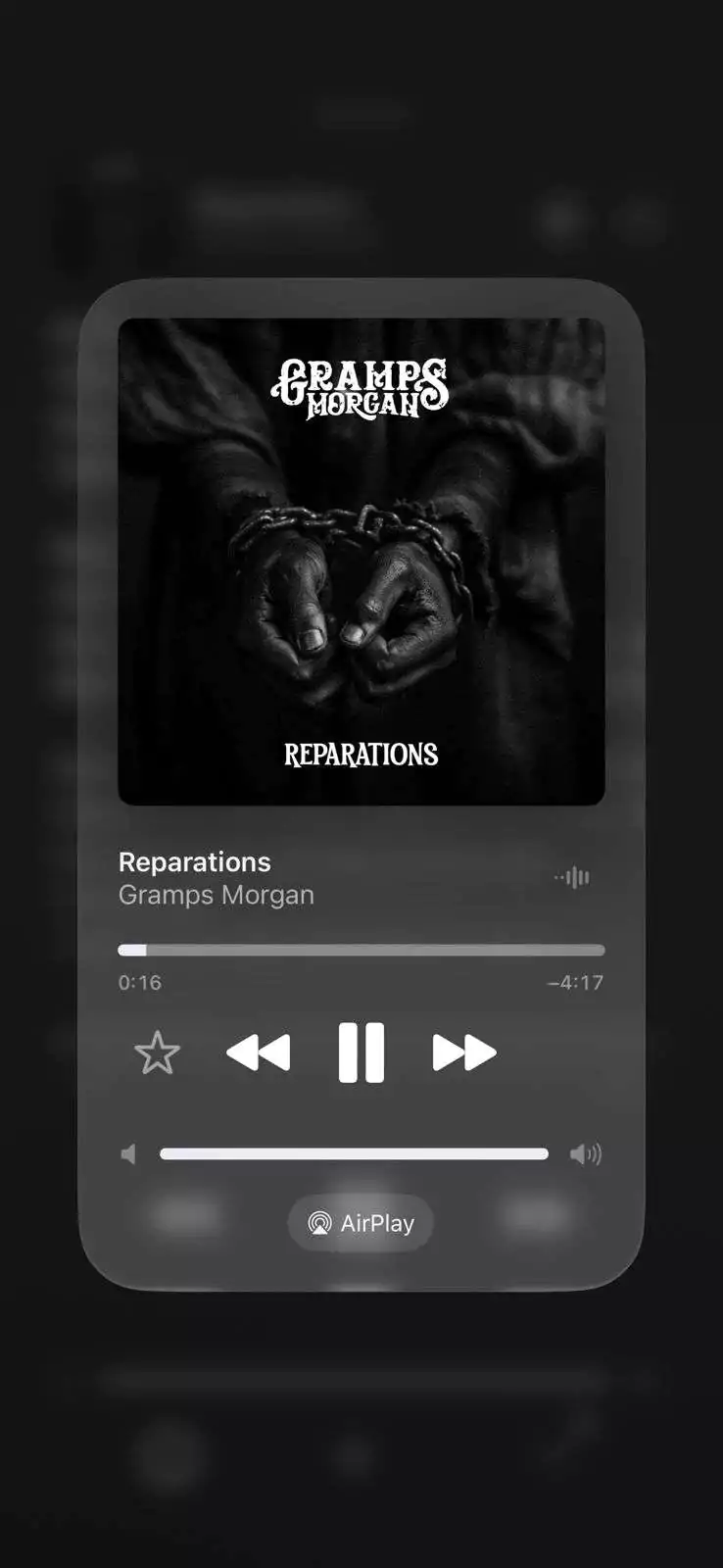
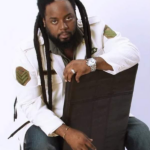
Prime Minister Gaston Browne has taken an unconventional but culturally resonant step in advancing the Caribbean’s call for reparatory justice, collaborating with reggae superstar Gramps Morgan on a new song titled “Reparations.”
Known in creative circles as Gassy Dread, Browne co-wrote the track, which has already begun gaining airplay on several popular radio stations in Jamaica and New York, drawing international attention during Black History Month celebrations.
The Prime Minister, who has long been a leading regional advocate for reparations for the transatlantic slave trade and its lasting impact, said the move into music was intentional. While he does not perform, Browne explained that songwriting offered a powerful way to humanize an issue often discussed only in diplomatic and legal terms.
“I am not a musician, I play no instrument and I can’t sing or dance, but I can write,” Browne said, noting that he is a registered writer and producer. “Whereas I have spoken about reparations extensively in language of policy, law, and diplomacy; I felt the need to memorialize the issue in song.”
Browne traced his advocacy to a reparations conference held in Antigua more than a decade ago, where former Jamaican Prime Minister P.J. Patterson symbolically passed on what Browne described as the “reparations torch.” He credited Patterson, Sir Hilary Beckles, Former Prime Minister of St. Vincent and the Grenadines Ralph Gonsalves and members of the Rastafari community for decades of sustained struggle for reparatory justice.
According to PM Browne, reggae music was the natural vehicle for the message.
“I also felt that reggae was the most appropriate authentic Caribbean “struggle music” to carry the message,” he said. “The call for Justice with a human voice in song resonates more than speeches. It reaches the heart where formal statements could not.”

He emphasized that reparations are neither abstract nor symbolic, but rooted in justice, repair and accountability for historical wrongs. Browne said reparatory justice is also about correcting inherited disadvantages, restoring dignity and creating meaningful development opportunities for present and future generations.
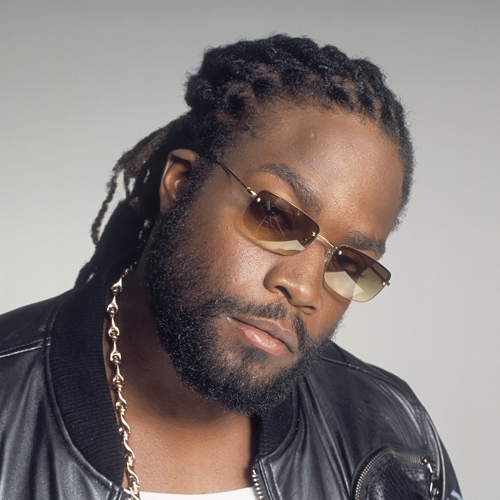
The collaboration with Gramps Morgan, Browne added, was a natural choice given the artist’s credibility, global reach and deep ties to the African and Caribbean diaspora.
“Reparations is not just a Caribbean issue, it is a global justice issue,” Browne said, adding that Morgan’s voice helps carry the message beyond borders.
When asked about the song’s lyrics, Browne said they reflect the same principles he has advanced at the United Nations and other international platforms, including justice, truth, responsibility and repair. He described the song as a form of cultural diplomacy grounded in historical fact, acknowledging the shared African and Caribbean experience and the enduring impact of slavery on descendants.
While it is too early to assess whether the song will directly influence political action, Browne believes it can help sustain momentum by keeping the conversation alive, particularly among younger audiences.
“My expectation is not that a song alone changes policy,” he said. “But that it contributes to a shift in mindset, moving reparations from a misunderstood, taboo, or politicized issue, to one recognized as a legitimate matter of international justice, development, and reconciliation.”
The Prime Minister said he hopes the track will reach policymakers, educators, civil society groups and young people worldwide, contributing to a broader understanding of reparations as unfinished business in the global human rights movement.



Good for him. New artist on the scene
Versatile prime minister.
I think he should sing about the alpha nero too. He would do greater than areparation song.
Gaston making way for when he is no longer in office. Do your thing
Gramps Morgan is a solid choice. His music already carries history, struggle, and pride.
Entertainment is the biggest thing now
Smh is all I will say to this one.
Big up to world boss aka Ras Gassy Dread. Peace is his mantra