
WATCH: Chasing ghosts: why the war on drugs will never be won by just seizing drugs

A University of the West Indies professor and former CARICOM security adviser shared a message for Caribbean and European policymakers that drew significant attention: continuing to fight the war on drugs the same way is not persistence but an unwinnable strategy, and failure on repeat.
Speaking at the first plenary session of the Caribbean-European Union Parliamentary Assembly at the American University of Antigua (AUA) on Wednesday, Professor Anthony Clayton told lawmakers that if “we don’t have a change in strategy, we will probably be back in this room or a similar room 10, 20 years from now, having the same discussion again.”
The interdiction model, he argued, was built on the failing policy that seizing enough drugs and guns will eventually tip the balance.
Every seizure reported as a victory was essentially meaningless to the people who run the trade, he said.
“The guys who organise the trade expect to lose them. They don’t care if they don’t come back,” Clayton said of the fishermen and low-level couriers who are typically arrested. “The guys who run the trade are always at least three or four steps away from the people that you arrest.”
The solution he proposed is to stop chasing the drugs entirely and go after the financial proceeds of crime with unexplained wealth orders take away the financial reward and power from the trade.

About the author
The Editorial Staff refers to all reporters employed by Antigua.news. When an article is not an original creation of Antigua.news—such as when it is based on a press release, other media articles, letters to the editor, or court decisions—one of our staff members is responsible for overseeing its publication.
Read our editorial standards and corrections policy. Spotted an error? Contact the newsroom.
More from Antigua and Barbuda
View section
More Than 2,500 Students Screened as School Vision Programme Identifies Children Needing Follow-Up
School Vision Screenings Flag Eye Concerns in More Than 280 Students
By Cory Wayland

Antigua and Barbuda Signs Visa Waiver Agreement with Azerbaijan at UN General Assembly
Antigua and Barbuda, Azerbaijan Sign Visa Waiver Agreement During UN Meetings
By Cory Wayland

St. Kitts DPP Seeks Antigua’s Help in Outstanding Case Involving Former Resort Clerk
By Shermain Bique-Charles
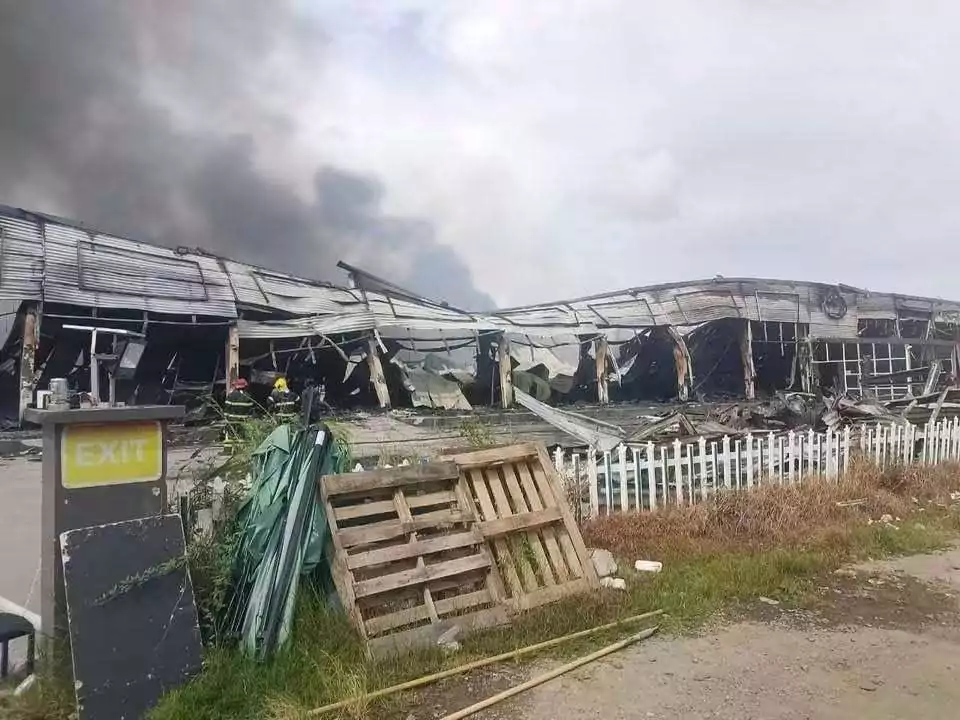
UPDATE: Nothing Spared as Fire Reduces XPZ Supermarket to Ruins Again
By Shermain Bique-Charles
Comments (8)
Ryan Wedding February 19, 2026, 3:34 PM
Sole February 19, 2026, 11:17 AM
Informed citizen February 18, 2026, 7:36 PM
Informed citizen February 18, 2026, 7:35 PM
Juju Bee February 18, 2026, 5:26 PM
Maria Carmen February 18, 2026, 11:57 AM
Lisa February 18, 2026, 11:56 AM
food4thought February 18, 2026, 11:54 AM