
Antigua and Barbuda Charts Course for 2026 After UN Implementation Plan Review

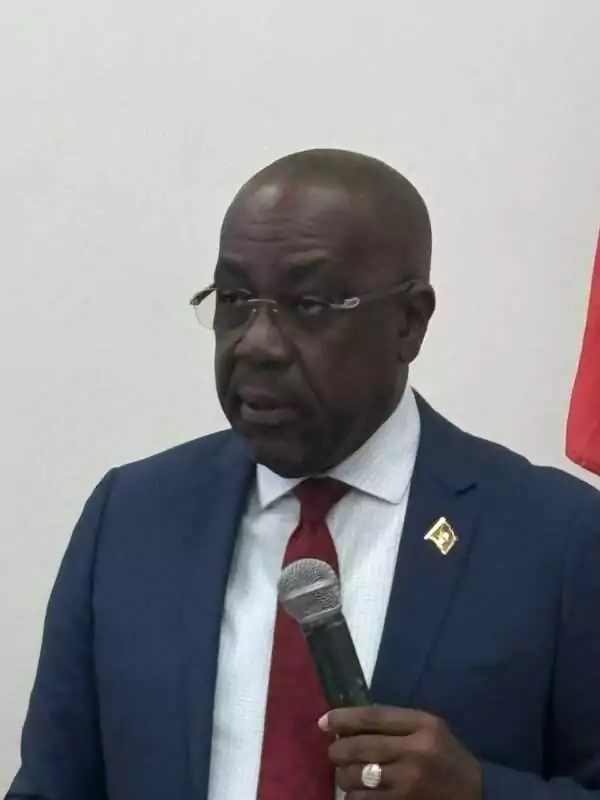
Antigua and Barbuda has concluded its assessment of the United Nations Country Implementation Plan (CIP) for 2025, using the opportunity to map out priorities and strategic direction for the year ahead.
The one-day consultation, held in St. John’s and facilitated by the UN Country Team, brought together senior representatives from key government ministries—including foreign affairs and trade, finance, environment, and information and communications technology—along with non-governmental partners.
Delivering opening remarks, Foreign Affairs Minister E.P. Chet Greene, who chairs the Cabinet Sub-Committee on the Sustainable Development Goals (SDGs), underscored the significance of the Country Implementation Plan for Small Island Developing States (SIDS) such as Antigua and Barbuda.
He described the framework as both a practical roadmap and a critical support mechanism that helps the country convert policy goals into measurable action.
Greene emphasized that the review process strengthens alignment between Antigua and Barbuda’s domestic development agenda and its global obligations, particularly under the 2030 Agenda for Sustainable Development and the Antigua and Barbuda Agenda for SIDS (ABAS).
He noted that the CIP serves as a vital instrument for maintaining coherence with the country’s Medium-Term Development Strategy.
Ambassador Dr. Clarence Pilgrim, Permanent Secretary in the Ministry of Foreign Affairs and Trade and MSDCF Focal Point, highlighted that the CIP forms part of the broader UN Multi-Country Sustainable Development Cooperation Framework (MSDCF), which spans 2022 to 2026.
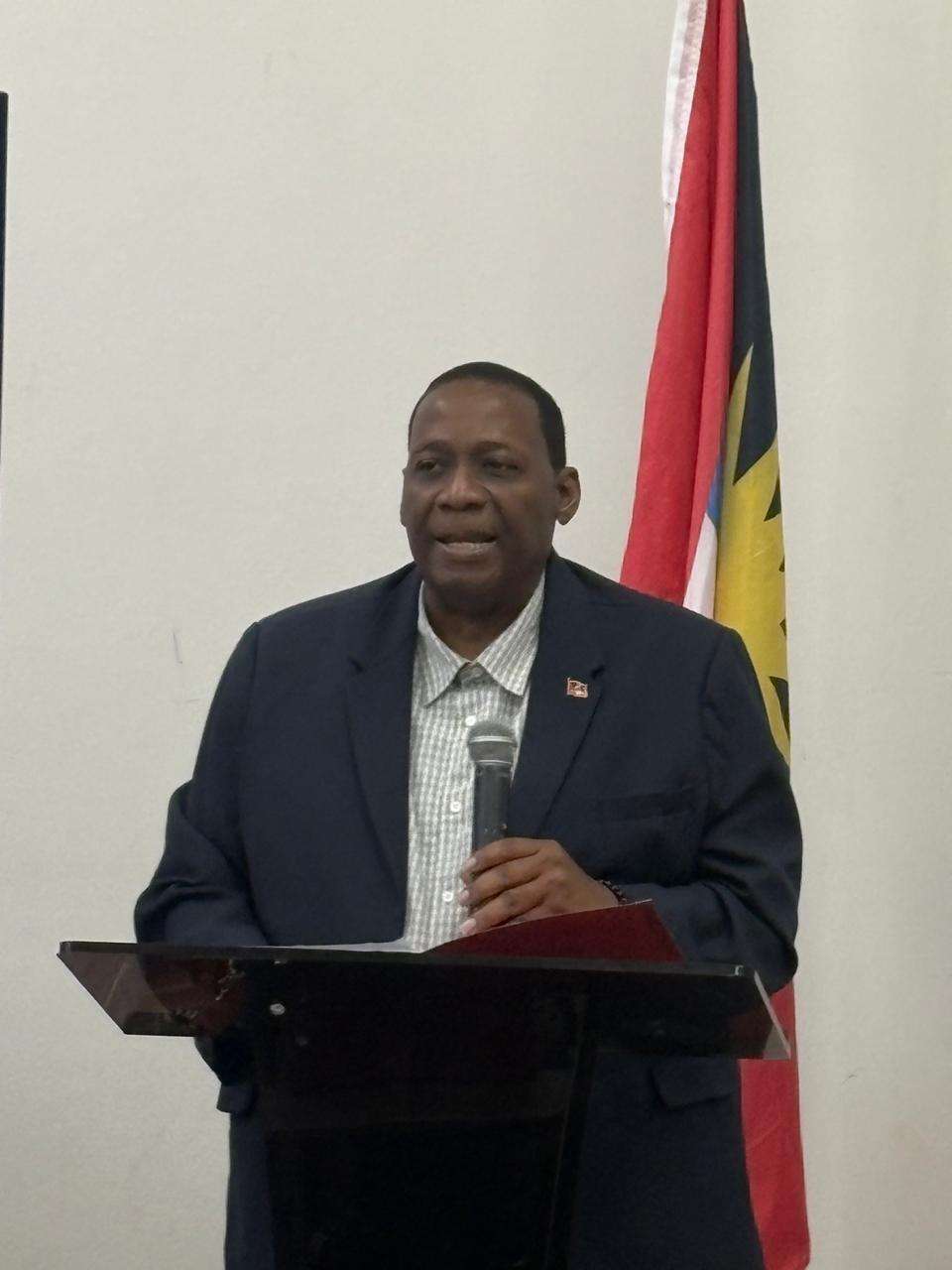
He described the plan as a clear demonstration of the United Nations’ continued partnership with Antigua and Barbuda in advancing economic growth, resilience, equality, and national well-being.
According to Pilgrim, the framework also strengthens the country’s ability to respond to climate change and other external shocks—an ongoing priority for vulnerable island states.
UN Resident Coordinator for the Eastern Caribbean, Simon Springett, characterized the review session as more than a routine reporting exercise.
He said it represented a renewed commitment to sustainable development, social protection, and national resilience.
Springett acknowledged that financial pressures within the United Nations system during the reporting period affected the pace and scope of certain initiatives.
In some cases, projects were delayed or recalibrated to address the most pressing needs. However, he reaffirmed that the UN’s support for Antigua and Barbuda and other Eastern Caribbean member states remains steadfast.
The technical session was led by Head of the UN Country Office, Andrea Andrew, who guided stakeholders through discussions on progress made in 2025 and the strategic focus for 2026.
Participants engaged in reflective dialogue aimed at strengthening collaboration, improving delivery mechanisms, and ensuring that development interventions remain responsive to national priorities.
The review concludes at a time when Antigua and Barbuda continues to navigate global economic uncertainty and climate vulnerability, reinforcing the importance of strong international partnerships and strategic planning to safeguard long-term development gains.

About the author
Shermain Bique-Charles is an accomplished journalist with over 24 years of dynamic experience in the industry. Renowned for her exceptional storytelling and investigative skills, she has garnered numerous awards that highlight her commitment to journalistic integrity and excellence. Her work not only informs but also inspires, making her a respected voice in the field.
Read our editorial standards and corrections policy. Spotted an error? Contact the newsroom.
More from World
View section
Antigua and Barbuda, Octopus Energy to Explore Cheaper, Cleaner Power
By Shermain Bique-Charles
Afreximbank issues a $29 million guarantee to scale EAC Customs Bond, easing movement of goods across East Africa
By Editorial Staff
Browne Pushes Small-State Priorities at UN General Assembly
By Shermain Bique-Charles
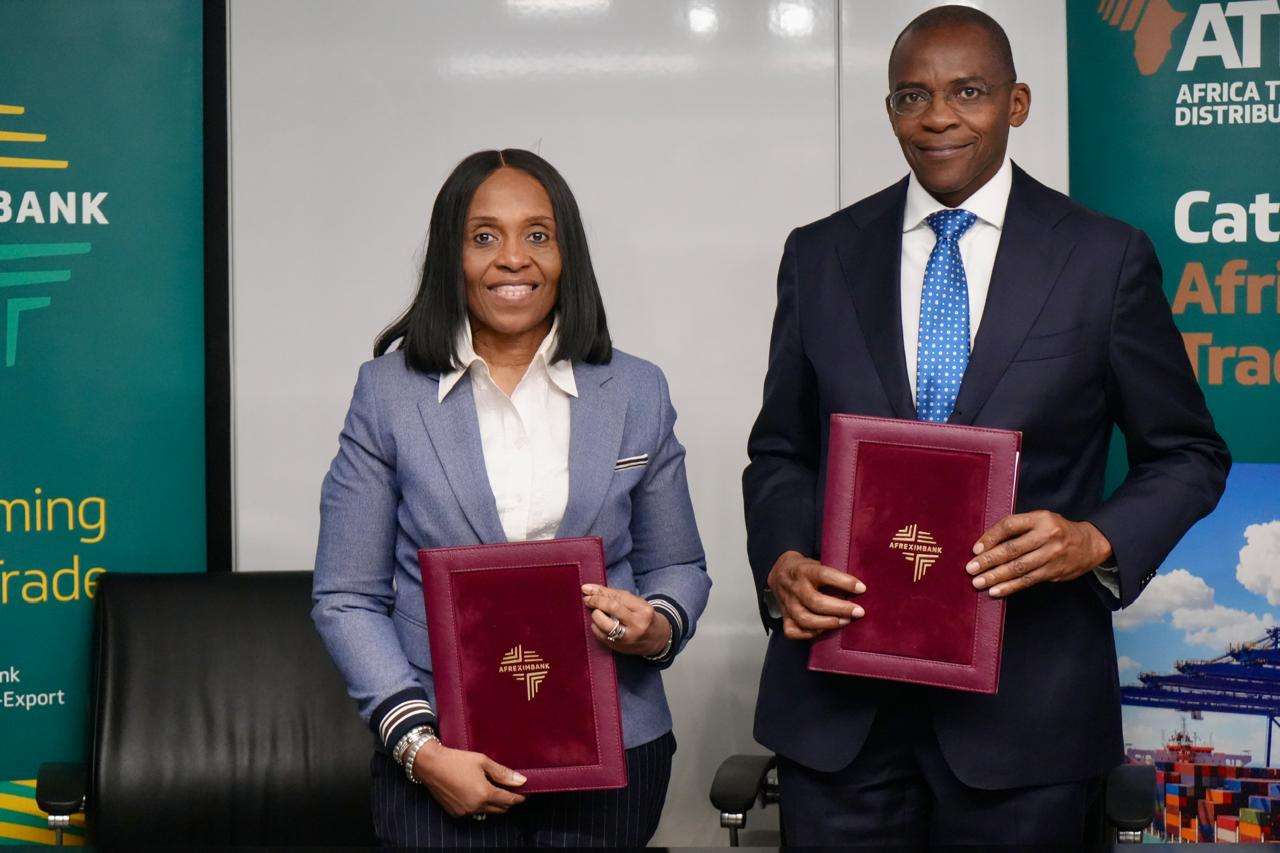
Afreximbank and ATDC sign US$500 million facility to expand African trade and distribution
By Editorial Staff
Comments (4)
Informed citizen February 25, 2026, 2:55 PM
Apex Jones February 24, 2026, 7:35 PM
Concerned Antiguan February 24, 2026, 1:37 PM
Sean Casten February 24, 2026, 11:17 AM