
Hurricane Melissa upgraded to 190 mph, now tied as the strongest Atlantic storm on record

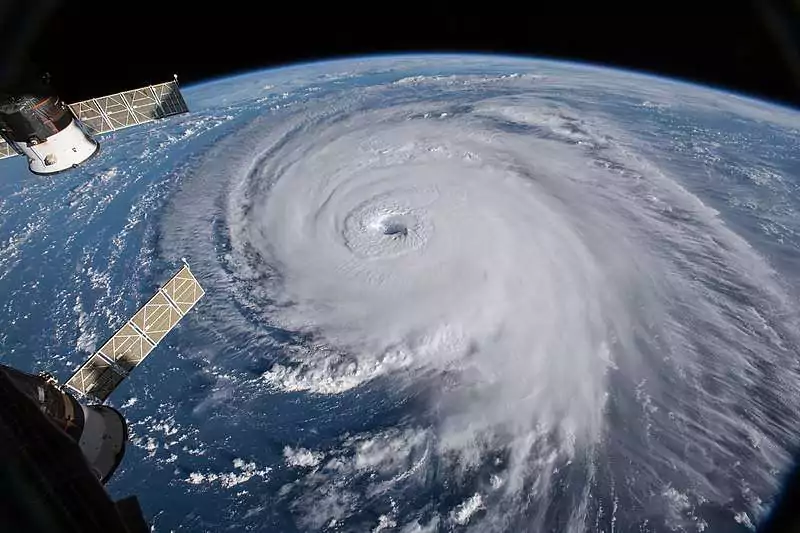
Hurricane Melissa has been officially upgraded to 190 mph sustained winds, placing it in a tie for the strongest Atlantic hurricane ever recorded.
In its final post-storm analysis, the National Hurricane Center increased Melissa’s peak maximum sustained winds from 185 mph to 190 mph, based on updated reconnaissance aircraft data. The revision means Melissa now matches 1980’s Hurricane Allen for the highest sustained winds ever measured in the Atlantic basin.
While the storm’s peak intensity was adjusted upward, its landfall strength in Jamaica remains unchanged at 185 mph.
Melissa’s central pressure at peak intensity measured 26.34 inches of mercury (892 millibars), tying the historic 1935 Labor Day Hurricane for the third-lowest pressure ever recorded in an Atlantic hurricane. Central pressure is a critical indicator of a storm’s strength, with lower values reflecting more intense systems.
The hurricane tore across Jamaica in October 2025, leaving widespread destruction, particularly in the western part of the island.
Although Kingston avoided a direct hit from the most violent winds, communities in western Jamaica were described as experiencing “total devastation.”
Melissa later made a second landfall near Chivirico, Cuba, on October 22 as a Category 3 hurricane. Haiti endured catastrophic flooding, with some areas recording more than 35 inches of rainfall.
The National Hurricane Center estimates that 95 people lost their lives due to the storm — 45 in Jamaica, 43 in Haiti, and seven in other affected territories. In Jamaica alone, approximately 1.25 million farm animals were killed, delivering a severe blow to the agricultural sector.
Melissa also set a record for the strongest wind gust ever measured by reconnaissance aircraft, a mark confirmed in November 2025.
AccuWeather estimates the total damage and economic losses from Hurricane Melissa at between $48 billion and $52 billion, making it one of the costliest storms in Atlantic history.

About the author
Shermain Bique-Charles is an accomplished journalist with over 24 years of dynamic experience in the industry. Renowned for her exceptional storytelling and investigative skills, she has garnered numerous awards that highlight her commitment to journalistic integrity and excellence. Her work not only informs but also inspires, making her a respected voice in the field.
Read our editorial standards and corrections policy. Spotted an error? Contact the newsroom.
More from Antigua and Barbuda
View section
Chief Magistrate Visits Prison, Leads Workshop on Treatment of Inmates
Ngaio Emanuel meets new Prison Superintendent Albert Wade and leads a workshop on prisoner treatment, use of force, ethics and remand deductions.
By Shermain Bique-Charles

Jury Acquits Man of Serious Indecency and Indecent Assault After Four-Hour Deliberation
An 8–1 majority verdict cleared the accused of both charges arising from allegations made during a hot-stone full-body massage at a spa in February 2025.
By Cory Wayland

Ministry Apologizes After Unauthorized Jennings Secondary Drill Causes Alarm
Education officials say the school staged the simulation without approval after video showed a masked figure carrying what appeared to be a rifle as students ran from the scene.
By Cory Wayland

VIDEO: Lockdown Drill at Jennings Secondary Sparks Concern and Confusion
Principal Rody Christopher says the exercise was intended to prepare students for an intruder emergency after confusion surrounding the drill triggered concern.
By Cory Wayland
Comments (1)
Juju Bee February 27, 2026, 7:32 PM