
U.S. Slashes 10-Year Visas for Antigua and Dominica to Just 3 Months

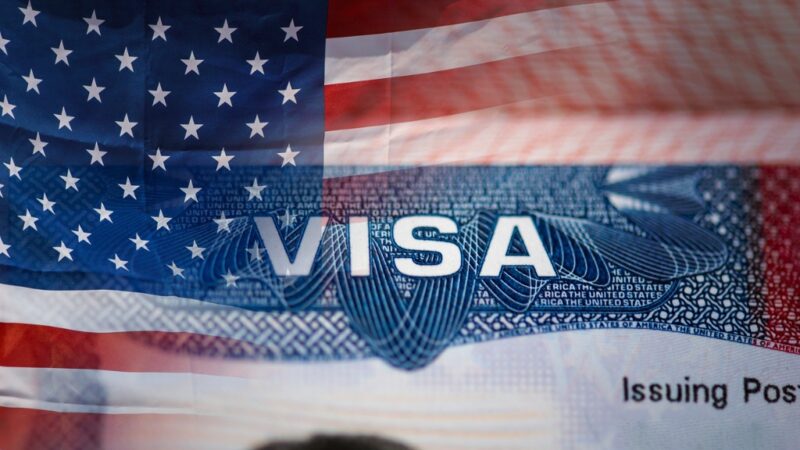
The United States has reduced the validity of B1/B2 visitor visas for nationals of Antigua and Barbuda and Dominica, downgrading them from 10-year, multiple-entry visas to single-entry visas valid for just three months.
The change, reflected in the U.S. Department of State’s Temporary Reciprocity Schedule, means approved applicants can now enter the United States only once within a 90-day period. Travellers who wish to return after that will need to apply for a new visa.
For years, citizens of both countries enjoyed 10-year, multiple-entry visas, allowing flexible travel for tourism, business, medical visits, and family engagements. The new restriction significantly limits that convenience and increases the frequency and cost of applications.
The U.S. visa system operates on reciprocity, meaning visa terms are based on how U.S. citizens are treated by the other country.
While Washington has not publicly explained the reason for the downgrade, such changes are typically linked to diplomatic, security, immigration compliance, or regulatory considerations.
The move comes amid ongoing U.S. scrutiny of Citizenship-by-Investment (CBI) programmes in the Eastern Caribbean. Although no official link has been confirmed, both Antigua and Barbuda and Dominica operate active CBI programmes.
The policy shift is expected to impact business travellers, families with U.S. ties, and frequent visitors who will now face tighter travel windows and repeated visa applications.
There has been no detailed public response yet from the governments of Antigua and Barbuda or Dominica.
For now, the longstanding 10-year U.S. visitor visa access for nationals of both countries has ended, replaced by a far more restrictive three-month, single-entry arrangement.
This story was first published by Antigua News on : antigua.news/2026/02/27/u-s-slashes-10-year-visas-for-antigua-and-dominica-to-just-3-months. © 2026 Antigua News. Republication without permission is not allowed.

About the author
Shermain Bique-Charles is an accomplished journalist with over 24 years of dynamic experience in the industry. Renowned for her exceptional storytelling and investigative skills, she has garnered numerous awards that highlight her commitment to journalistic integrity and excellence. Her work not only informs but also inspires, making her a respected voice in the field.
Read our editorial standards and corrections policy. Spotted an error? Contact the newsroom.
More from Caribbean
View section
VIDEO: Doctors at Dominica China Friendship Hospital Stage Protest Outside Medical Facility
Healthcare professionals at the Dominica China Friendship Hospital gather outside the medical facility in an apparent protest, raising concerns over issues yet to be officially confirmed.
By Cory Wayland

St. Kitts DPP Seeks Antigua’s Help in Outstanding Case Involving Former Resort Clerk
By Shermain Bique-Charles

Royal Caribbean in Talks to Buy Half of Sandals in Reported $3 Billion Deal
By Shermain Bique-Charles

Four Killed in Latest US Military Strike on Suspected Drug Vessel in Caribbean
By Shermain Bique-Charles
Comments (8)
Juju Bee February 27, 2026, 12:39 PM
Yura February 27, 2026, 1:50 PM
Doxey February 28, 2026, 9:46 AM
Wadadlian February 27, 2026, 7:04 PM
Olabanjo, a Nigerian national holding a senior position within the Ministry of Agriculture, publicly defended the operation by stating that the individuals were brought to Antigua to improve the country’s population. In doing so, he referred to the Prime Minister as his “tight friend,” an extraordinary admission that raised serious questions about political involvement and influence. Those questions were never answered. What followed was tragedy. Seventeen people lost their lives at sea, yet the government has still failed to provide a full accounting of the whereabouts of the remaining 888 individuals. The Prime Minister’s refusal to authorize a public inquiry is unacceptable. Leadership demands scrutiny in moments of crisis. Silence, delay, and refusal to investigate do not demonstrate responsibility—they suggest avoidance and undermine public confidence. This episode alone explains why Antigua and Barbuda’s management of the CIP programme has drawn international concern. If a government cannot transparently manage unauthorized migration or enforce its own immigration procedures, it cannot reasonably expect citizens or foreign partners to believe that citizenship applicants are subjected to rigorous vetting. Equally alarming is the continued lack of transparency surrounding CIP revenues. The government speaks of financial success while citizens confront deteriorating public services. Police resources remain stretched, immigration systems ineffective, education underfunded, and healthcare strained. After years of CIP income, the absence of visible national improvement raises an unavoidable question: who is truly benefiting? Recent decisions in the health sector only deepen public skepticism. The recruitment of 120 Ghanaian nurses—housed in New Winthorpes, the same facility previously used for undocumented asylum seekers—has occurred without clear justification. The Prime Minister and Minister of Health have failed to explain why qualified Antiguan nurses remain unemployed while foreign recruits receive free accommodation, transportation, and reportedly higher compensation. Such policies erode morale, fairness, and confidence in national leadership. Now the administration proposes granting amnesty to individuals who have overstayed their legal status, further weakening already fragile immigration enforcement. At a time when border control and national security should command the highest seriousness, the government appears willing to substitute policy discipline with political convenience. The pattern is no longer debatable: secrecy over transparency, deflection over accountability, and recklessness in matters involving citizenship, immigration, and national security. Antigua and Barbuda deserves governance that inspires confidence at home and respect abroad. Until this administration submits to genuine scrutiny, demonstrates credible due diligence, and transparently accounts for both immigration decisions and CIP revenues, public distrust will persist—and international skepticism will remain entirely justified.
Anonymous February 27, 2026, 7:15 PM
Informed citizen February 27, 2026, 7:17 PM
Hallelujah Amen February 28, 2026, 12:14 PM
So people be prepared
Looking in February 28, 2026, 4:01 PM