
Cabinet Approves Land Exchange Programme to Expand Affordable Housing in Antigua and Barbuda

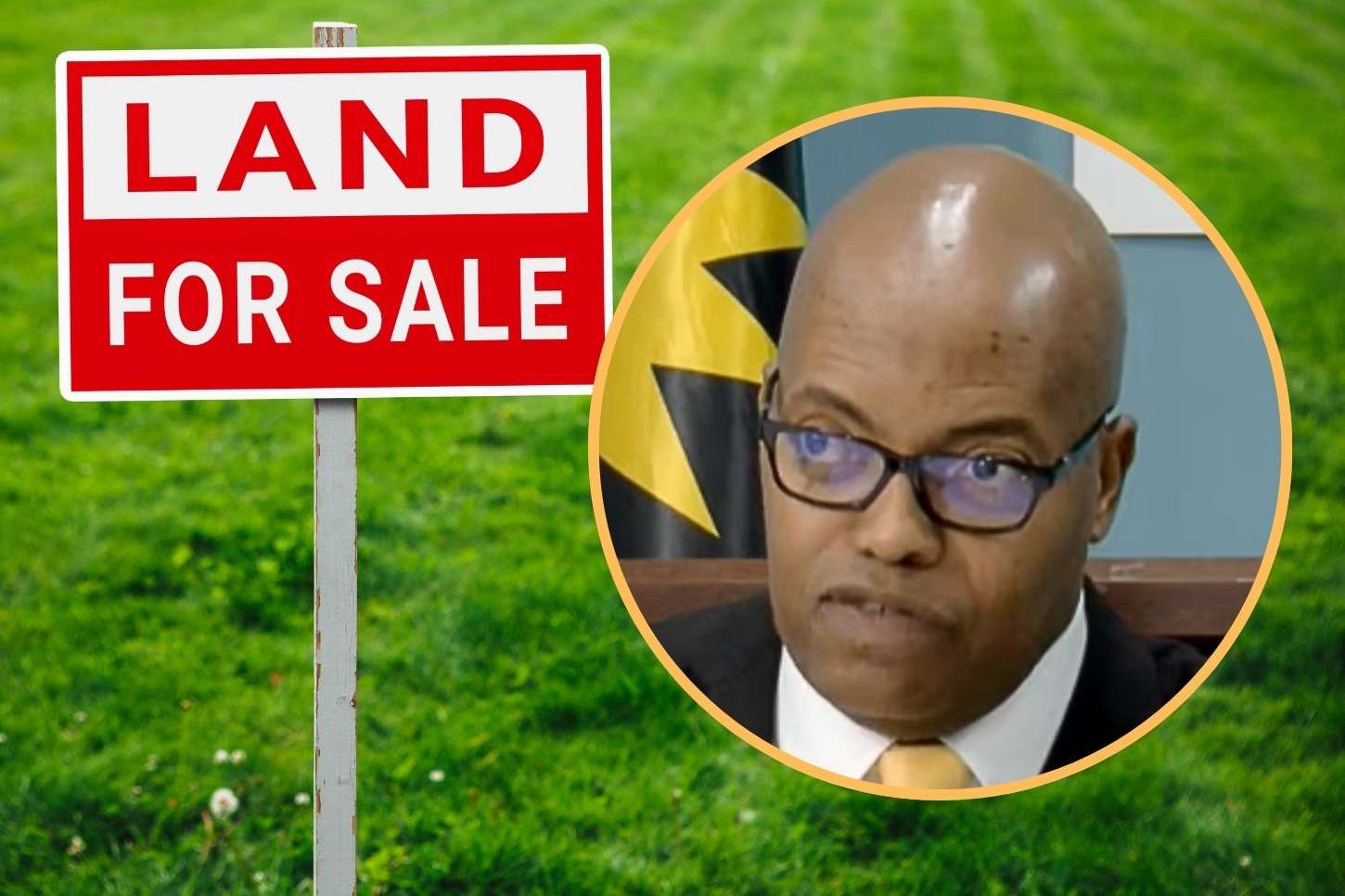

The Cabinet of Antigua and Barbuda has approved a new initiative aimed at significantly increasing the supply of affordable housing across the country through the establishment of the CHAPA Land Exchange and Redevelopment Programme (LERP).
The proposal, presented by the Minister for Housing and Works during this week’s Cabinet meeting, outlines a strategic framework that will allow the Central Housing and Planning Authority (CHAPA) to acquire privately owned lands through voluntary exchange arrangements and redevelop them into affordable homes and serviced residential lots.
Government officials say the programme is designed to tackle one of the most persistent barriers to housing development in Antigua and Barbuda — limited access to suitable and affordable land.
Under the initiative, landowners will have several options when participating in the programme. These include selling their land to CHAPA at fair, independently appraised values, exchanging land in return for construction credits toward a CHAPA-built home, and benefiting from tax incentives such as reductions or waivers on Land Transfer Tax. Participants may also receive priority access to affordable housing allocations and financing support.
The programme will also incorporate land swap arrangements and will reserve between 10 and 15 percent of developed lands for community infrastructure, including parks, green spaces, and designated vending areas.
Cabinet was informed that the initiative will be implemented in three phases.
The first phase, scheduled for the first year, will serve as a pilot programme and will involve the acquisition of approximately 25 parcels of land across selected constituencies to begin exchanges and housing development.
During Phase Two, spanning Years Two and Three, the programme will expand to additional constituencies based on participation levels and infrastructure readiness.
Phase Three, beginning in Year Four and beyond, will see the programme fully institutionalized and integrated into CHAPA’s permanent land acquisition and housing development framework.
Cabinet has approved EC$500,000 in immediate funding to support the pilot phase of the programme. The funds will cover land acquisition costs, legal and valuation services, and tax incentive allocations. Additional financing will be sourced from CHAPA’s capital budget and supported through public-private partnership arrangements.
Officials indicated that the programme is expected to acquire between 25 and 30 parcels of land annually, facilitating the construction or allocation of a similar number of new affordable homes each year. It is also intended to reduce the amount of idle or underutilized private lands while expanding opportunities for citizens to access homeownership.
Over time, the initiative is projected to unlock more than 600 residential lots for housing development and accelerate the delivery of homes at concessionary rates to qualifying citizens.
CHAPA will serve as the lead implementing agency and will work closely with the Ministry of Housing and Works, the Ministry of Finance and Corporate Governance, the Survey and Mapping Division, and the Development Control Authority to ensure proper land valuation, planning approval, and fiscal oversight.
Cabinet has also authorized the Ministry of Housing and Works and CHAPA to finalize and implement the programme’s operational guidelines, while the Ministry of Finance will facilitate the necessary tax adjustments and incentive mechanisms. The programme will also be formally incorporated into CHAPA’s 2026–2028 Housing Implementation Plan.
Government officials say the Land Exchange and Redevelopment Programme represents a major step toward expanding affordable housing, stimulating activity in the construction sector, optimizing land use, and empowering more Antiguans and Barbudans to achieve homeownership.
This story was first published by Antigua News on : antigua.news/2026/03/05/cabinet-approves-land-exchange-programme-to-expand-affordable-housing-in-antigua-and-barbuda. © 2026 Antigua News. Republication without permission is not allowed.

About the author
Shermain Bique-Charles is an accomplished journalist with over 24 years of dynamic experience in the industry. Renowned for her exceptional storytelling and investigative skills, she has garnered numerous awards that highlight her commitment to journalistic integrity and excellence. Her work not only informs but also inspires, making her a respected voice in the field.
Read our editorial standards and corrections policy. Spotted an error? Contact the newsroom.
More from Antigua and Barbuda
View section
Tourism Ministry and ABTA Working with Bert Kirchner on Proposed Louis Tomlinson Campaign
Minister Michael Freeland has held talks on the project, which aims to turn international exposure into visitor interest and bookings.
By Shermain Bique-Charles

Your Child Is Safe at Home, But Are They Safe Online?
Games, chats and social media are where our children play and make friends. Here is what every parent and guardian needs to know to keep them safe there.
By Editorial Staff

HIGH SCHOOL STUDENTS CONTINUE TO BENEFIT FROM SANDALS FOUNDATION’S CARE FOR KIDS SCHOLARSHIP PROGRAMME
Kyrah Edwards and Erwin Christopher receive third annual scholarship payments, supporting their education while encouraging community service.
By Shermain Bique-Charles

Chinese Embassy Welcomes Caribbean Youth Parliamentarians for Cultural Exchange
Ambassador Jiang Wei calls for greater understanding through dialogue, while House Speaker Osbert Frederick praises the young leaders.
By Shermain Bique-Charles
Comments (7)
Juju Bee March 5, 2026, 3:49 PM
Alyssa March 5, 2026, 4:53 PM
Concerned Antiguan March 5, 2026, 5:14 PM
Informed citizen March 5, 2026, 10:18 PM
Tromos March 6, 2026, 4:35 AM
Doty March 6, 2026, 1:07 PM
Asking March 6, 2026, 3:04 PM