
Young Women Legislators Debate National Cannabis Policy In Special Parliamentary Sitting Marking International Women Day

By Robert Andre Emmanuel
“It is our humble hope which drives us, young women in faith towards a future many before us did not have the freedom of mind to see- young women in leadership.”
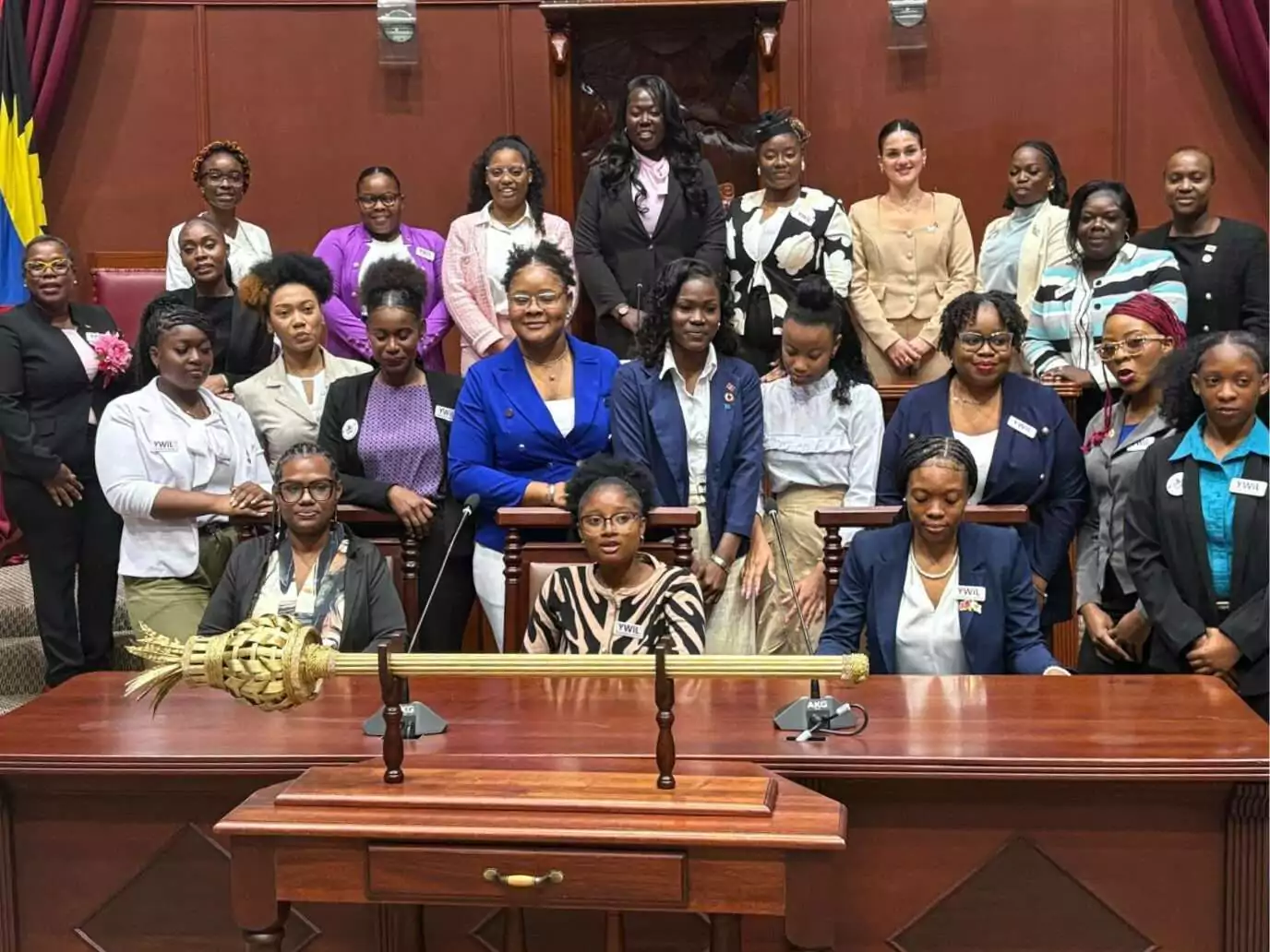
Those words, spoken at the opening of a special parliamentary sitting yesterday, captured the moment that saw the 2026 cohort of Antigua’s Young Women in Leadership (YWIL) take to the floor of Parliament to mark International Women’s Month.
The young women debated a motion calling for a joint select committee to review Antigua and Barbuda’s cannabis legislative framework, ultimately agreeing that a comprehensive parliamentary review of the country’s cannabis laws was necessary.
Amyah Francis, playing the role of Leader of Government Business in the Senate, moved the motion, arguing that while the government had made commendable progress implementing cannabis reforms, the responsibility of governance extended beyond passing legislation.
“A responsible government does not just pass reforms, it safeguards and ensures that its citizens are taken care of,” she said.
Joyann Michael, meanwhile, argued that the fundamental problem was not the legislation itself but the public’s understanding of it.
She noted that many citizens operated under the belief that cannabis use had been fully legalised, with the consequences visible in schools and on streets.
“The issue before us is not simply cannabis use. The issue before us is confusion, the general misconception of an entire nation,” she said, adding that children as young as 11 were openly experimenting with cannabis, often unaware of the legal or developmental risks involved.
Saniqua Jeffery, in the role of independent senator for Barbuda, said national legislation consistently affects small island communities differently and that a review which failed to account for those differences would be incomplete.
“In Barbuda, women, youth, low-income households and rural communities often experience both the harm and the opportunity of legislation in different ways,” she said.
GALLERY OF IMAGES BELOW (use arrows or swipe to scroll left and right)
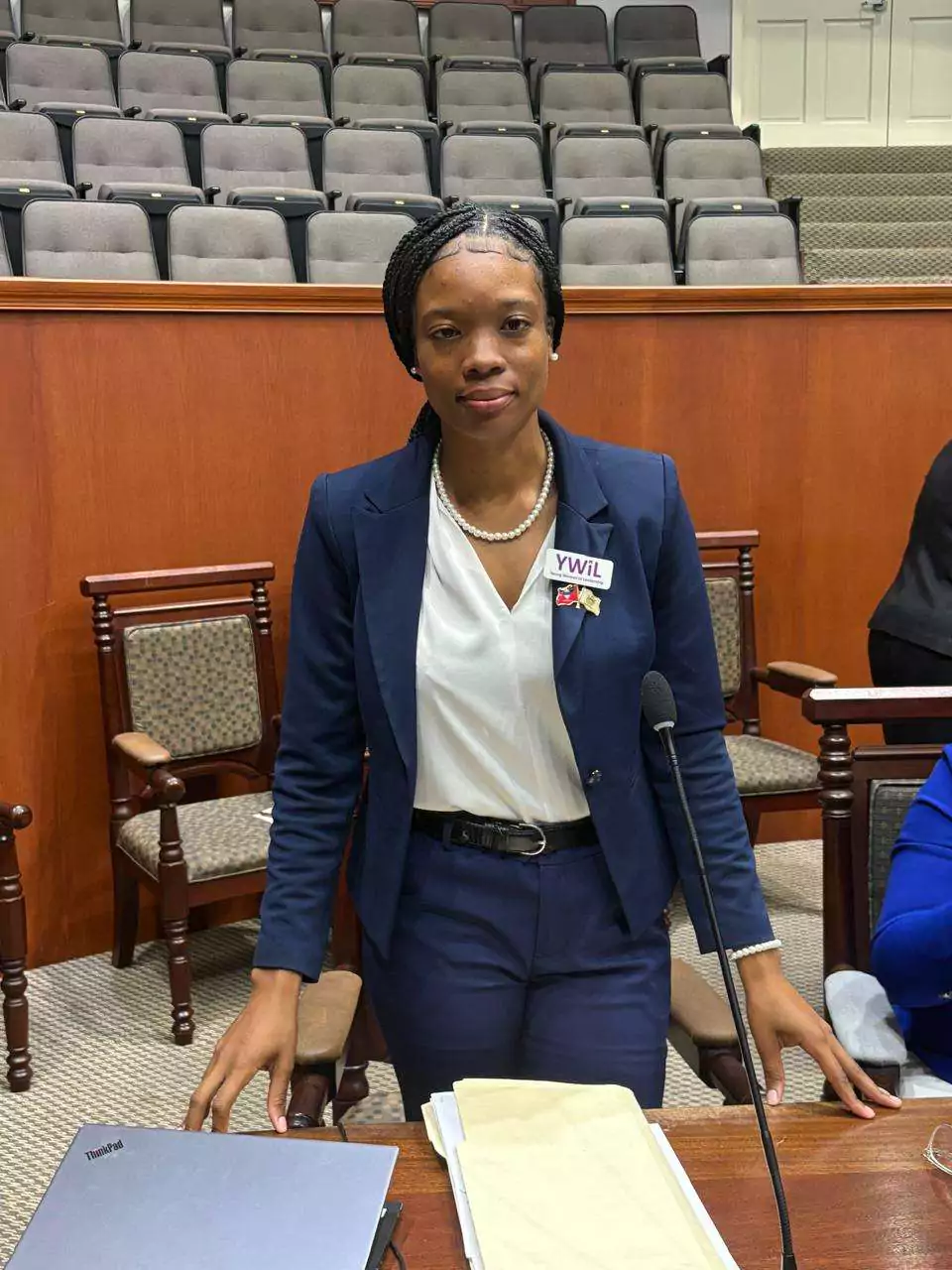
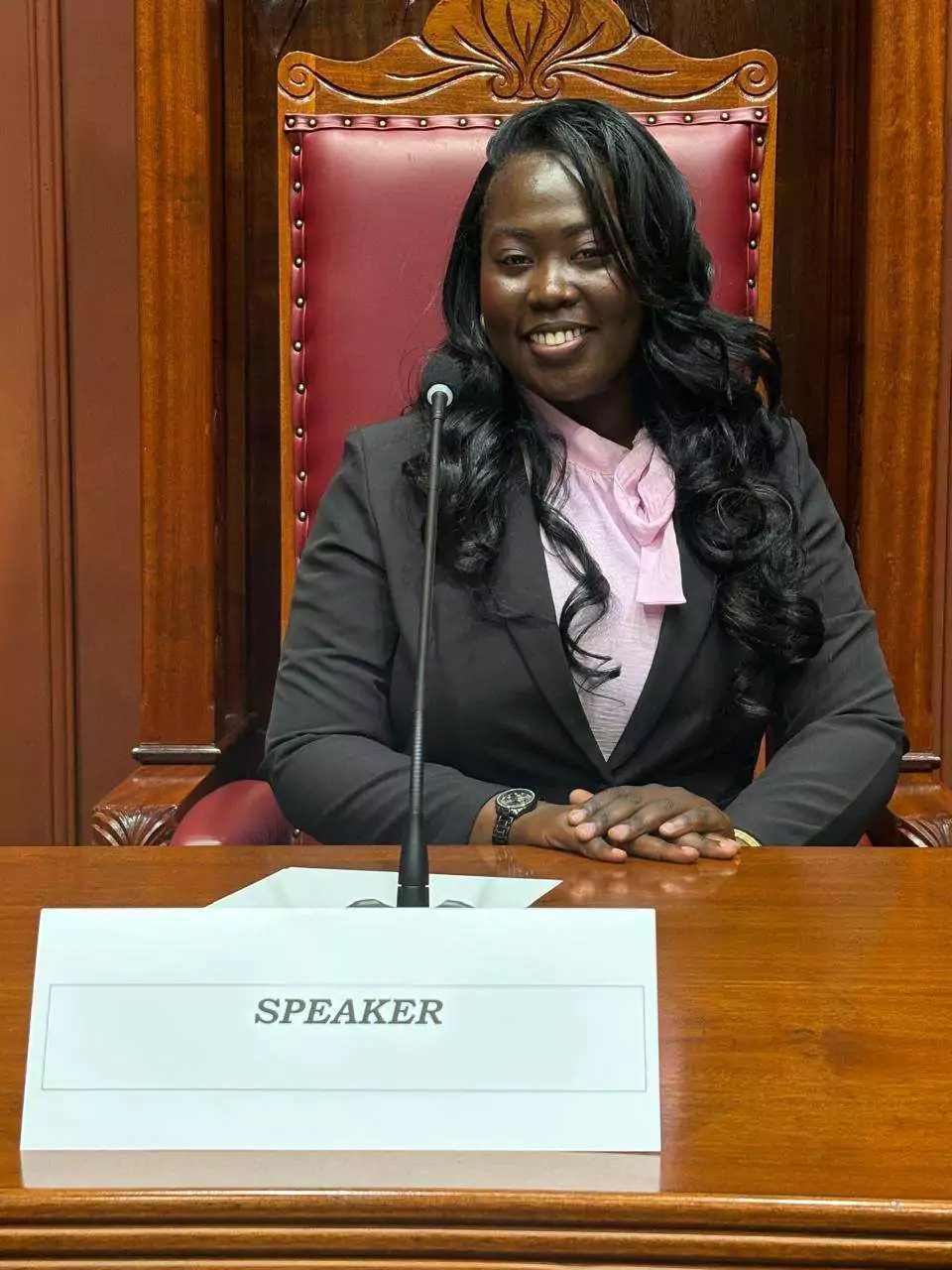
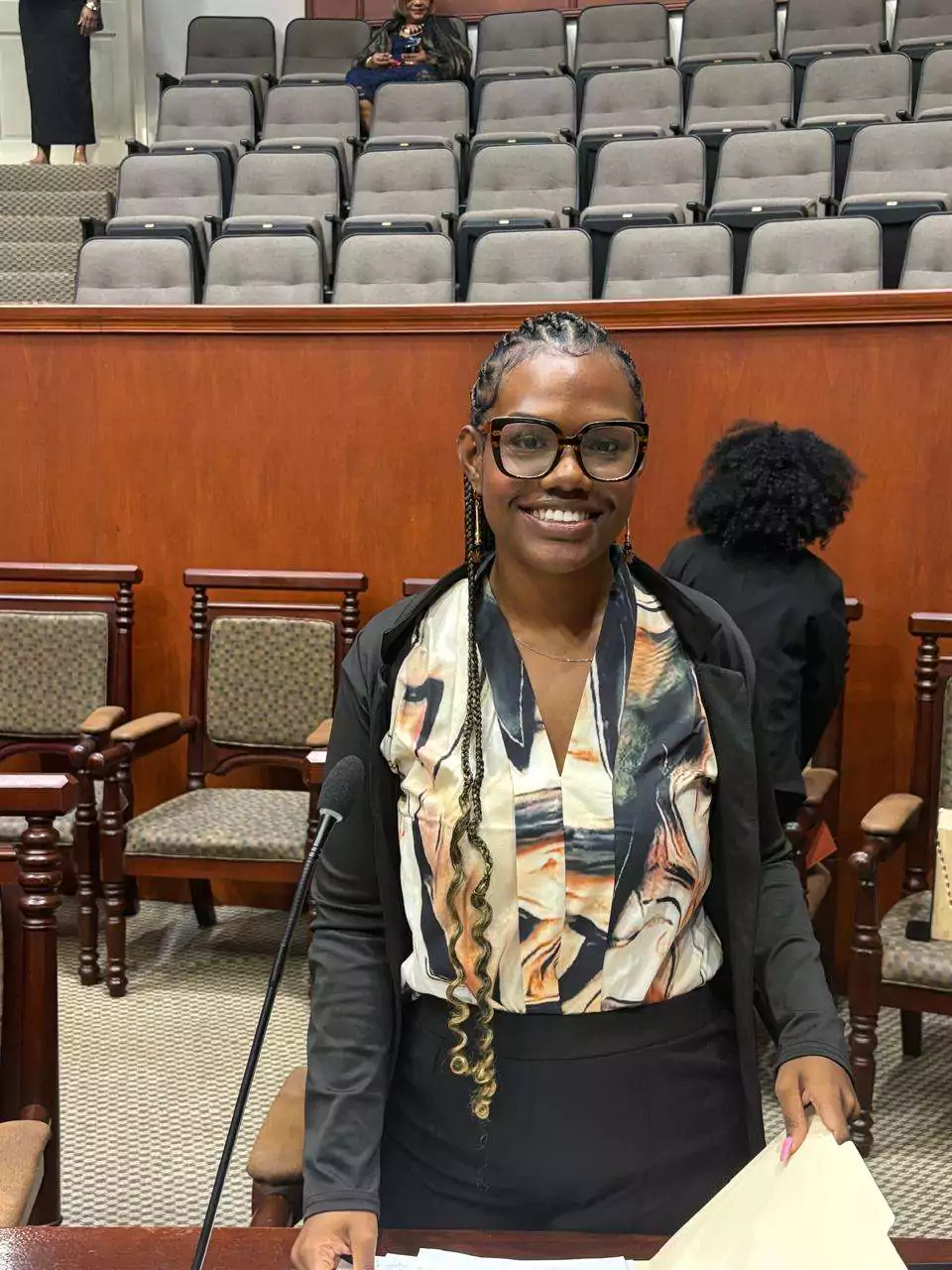
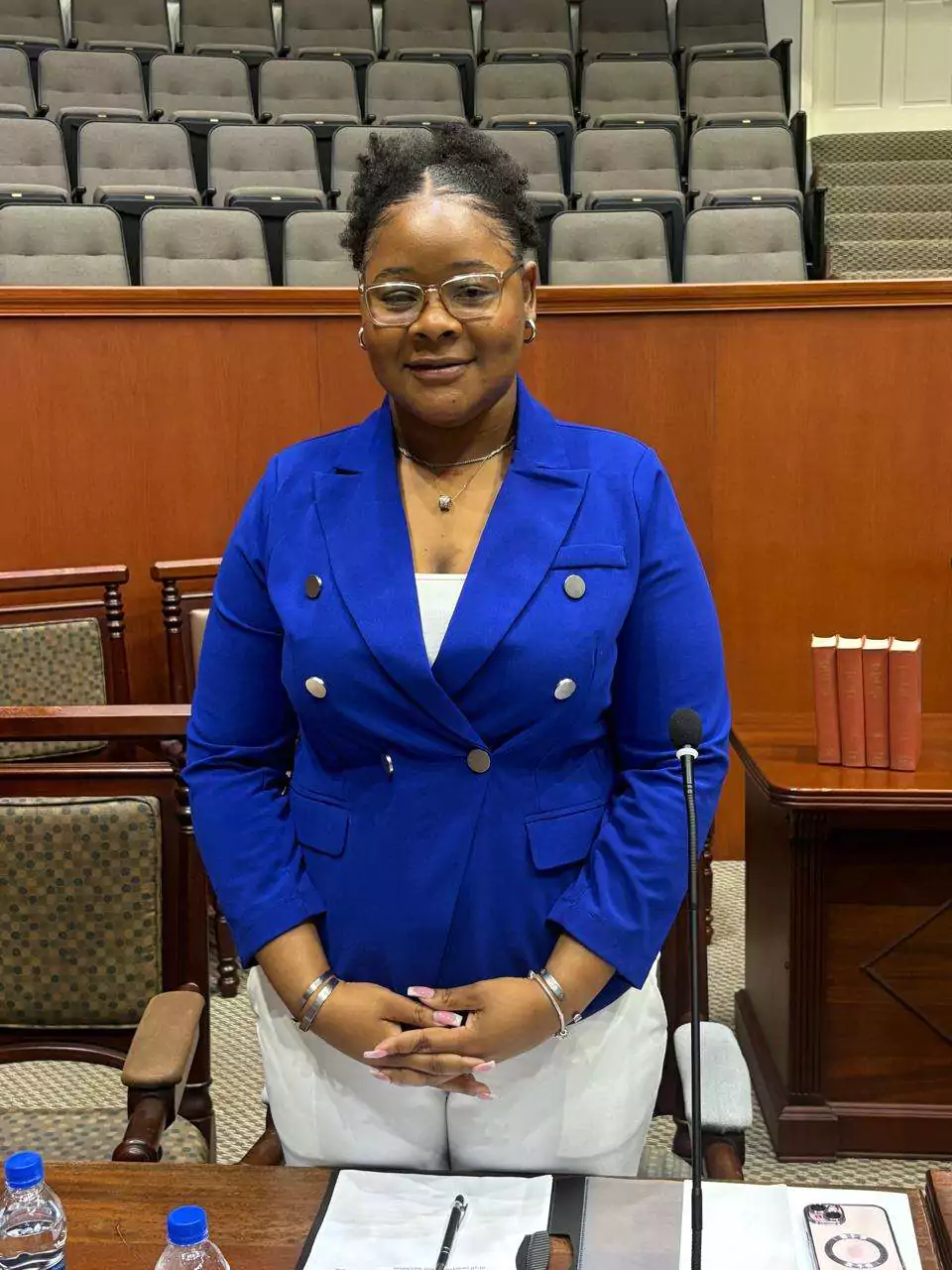
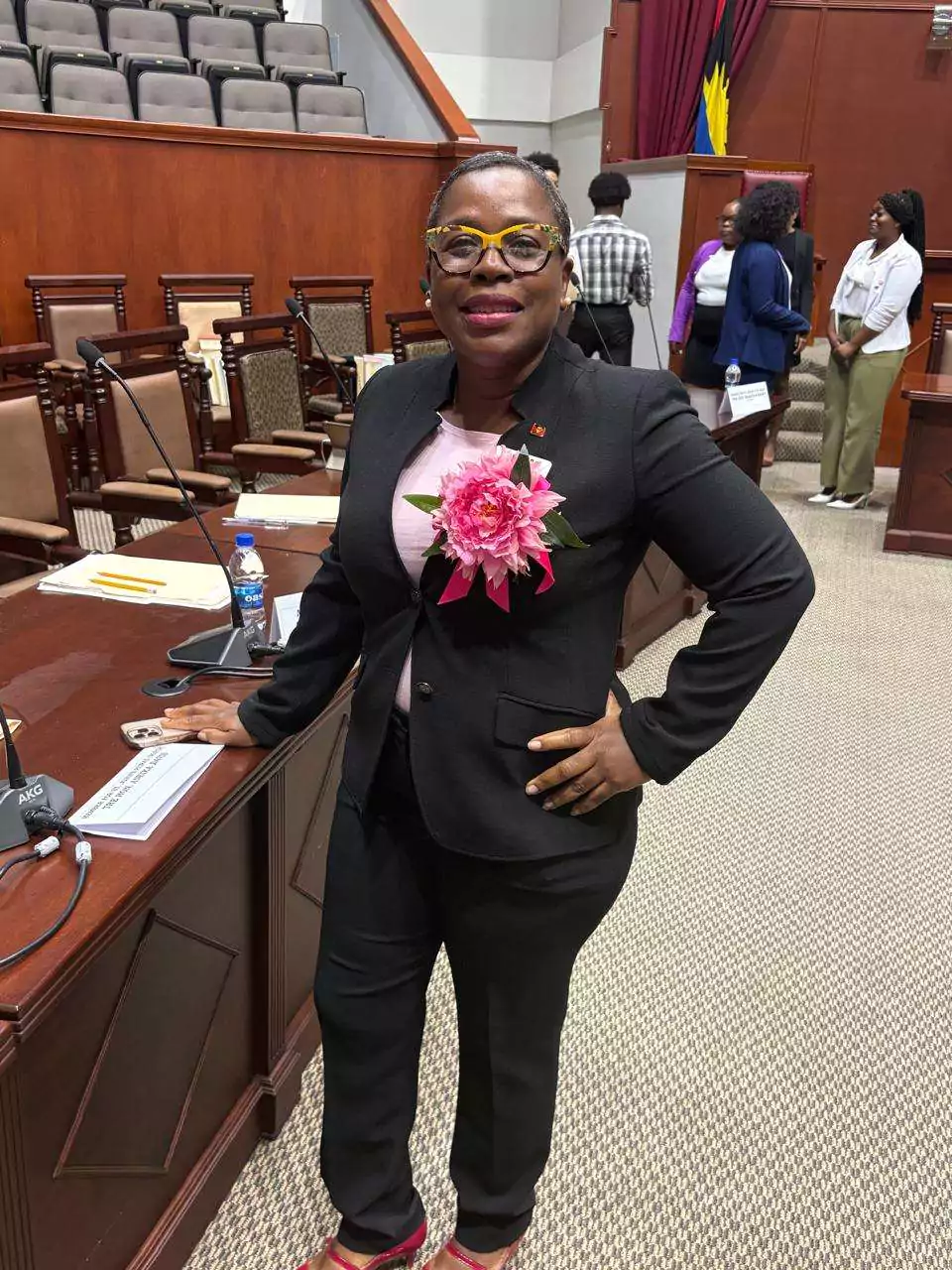
Jeffery also pointed to the proposed committee’s mandate to assess financial and budgetary allocations, noting that legislation passed without adequate funding to implement it was a recurring and avoidable problem.
Victoria Dyer, who acted as the Leader of the Opposition in this debate, argued that in January 2024, a government-mandated committee had been tasked with reviewing the effects of cannabis decriminalisation, and that in July 2025, that committee submitted a 150-page report to the Cabinet.
Dyer, who served on the committee herself, alleged that not one recommendation from that report had been acted upon.
“That report, which seems to have vanished into a legislative black hole, addressed implementation gaps. It addressed the very human rights, and gender concerns this motion claims to be worried about,” she said.
“Not one recommendation has been made to date. That is not leadership, that is strategic stalling.”
The special sitting was the second convened by the National YWIL programme, with female participants drawn from across Antigua and Barbuda undergoing training in parliamentary debating, and leadership skills.
This story was first published by Antigua News on : antigua.news/2026/03/10/young-women-legislators-debate-national-cannabis-policy-in-special-parliamentary-sitting-marking-international-women-day. © 2026 Antigua News. Republication without permission is not allowed.

About the author
The Editorial Staff refers to all reporters employed by Antigua.news. When an article is not an original creation of Antigua.news—such as when it is based on a press release, other media articles, letters to the editor, or court decisions—one of our staff members is responsible for overseeing its publication.
Read our editorial standards and corrections policy. Spotted an error? Contact the newsroom.
More from Antigua and Barbuda
View section
Idris Elba and Senator Jamilla Kirwan to Headline One Commonwealth Night as Hosts
Star-studded cultural celebration at Sir Vivian Richards Stadium will bring together international talent and local performers during CHOGM 2026.
By Cory Wayland

Regional Troops Arrive in Antigua and Barbuda to Strengthen CHOGM Security Preparations
Cayman Islands Regiment personnel join a regional military effort to support security, logistics and event operations ahead of the November summit.
By Cory Wayland

Police Outpost and Management Office Approved for Pelican Court
Cabinet establishes dedicated arrangements for security, maintenance and community concerns at the housing development.
By Shermain Bique-Charles

Local Musicians and Cultural Performers Could Feature in Tomlinson Film
Cabinet welcomes opportunities for steelpan, Carnival traditions and local production talent in the proposed international project.
By Shermain Bique-Charles
Comments (2)
Juju Bee March 10, 2026, 8:08 PM
Informed citizen March 10, 2026, 8:55 PM