
Antigua and Barbuda Helps Shape High Seas Treaty Framework at UN Meeting

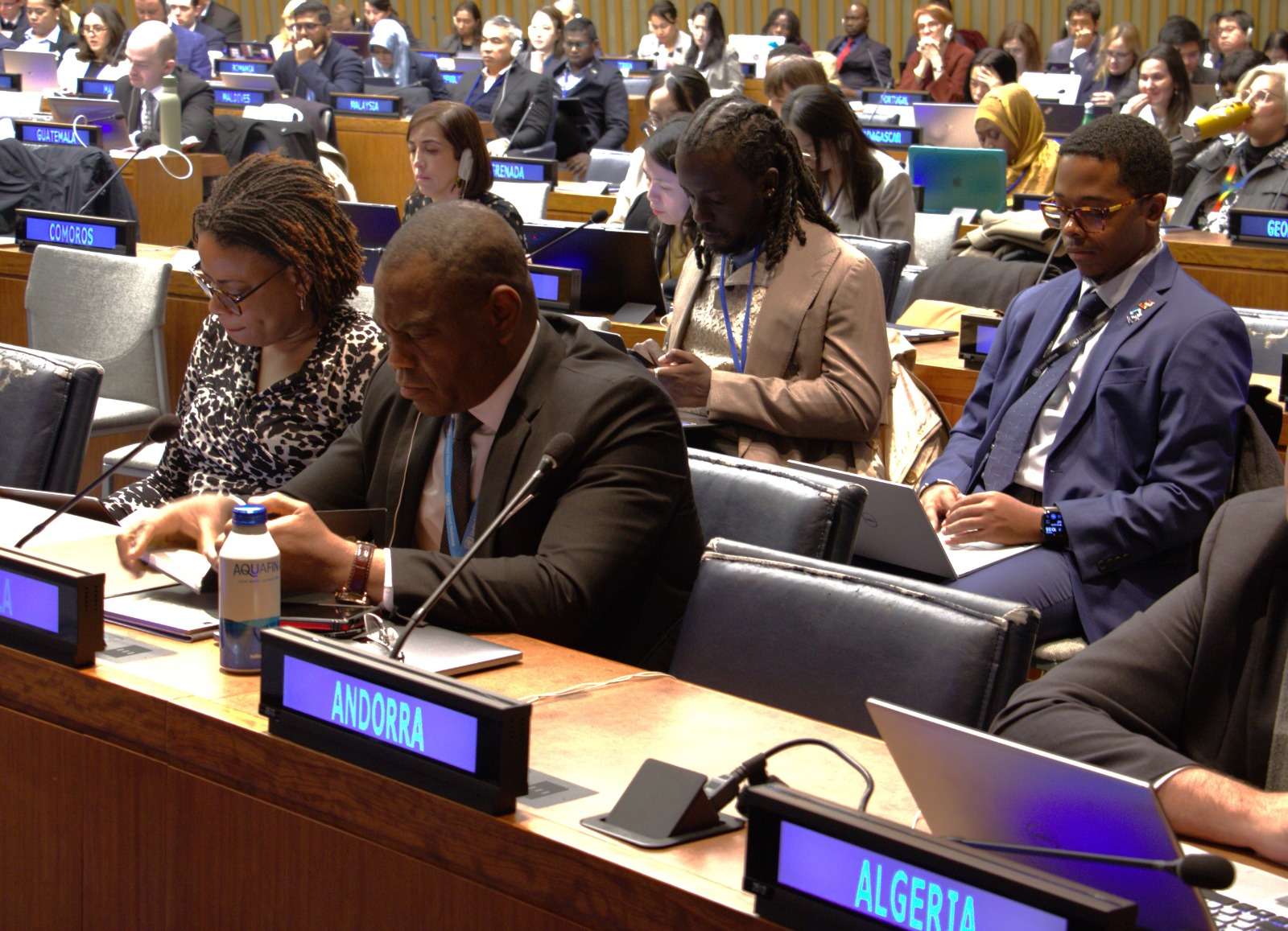
Antigua and Barbuda is playing a key role in ongoing United Nations discussions aimed at bringing the landmark Biodiversity Beyond National Jurisdiction (BBNJ) Treaty, also known as the High Seas Treaty, into full operation.
The country is represented at the third session of the Preparatory Commission (Prep Com III), being held from March 23 to April 2, where global stakeholders are finalizing the rules and systems needed to implement the agreement.
The treaty, once fully enacted, is expected to strengthen protection for vast areas of the world’s oceans that lie outside national boundaries. It is particularly significant for Small Island Developing States (SIDS), including Antigua and Barbuda, whose economies and livelihoods are closely tied to marine resources.
Leading the delegation is First Secretary at Antigua and Barbuda’s Permanent Mission to the United Nations, Asha Challenger, who also serves as a Vice President of the Preparatory Commission. In that role, she is helping guide discussions on critical issues such as governance structures, financial mechanisms, and collaboration with international organizations.
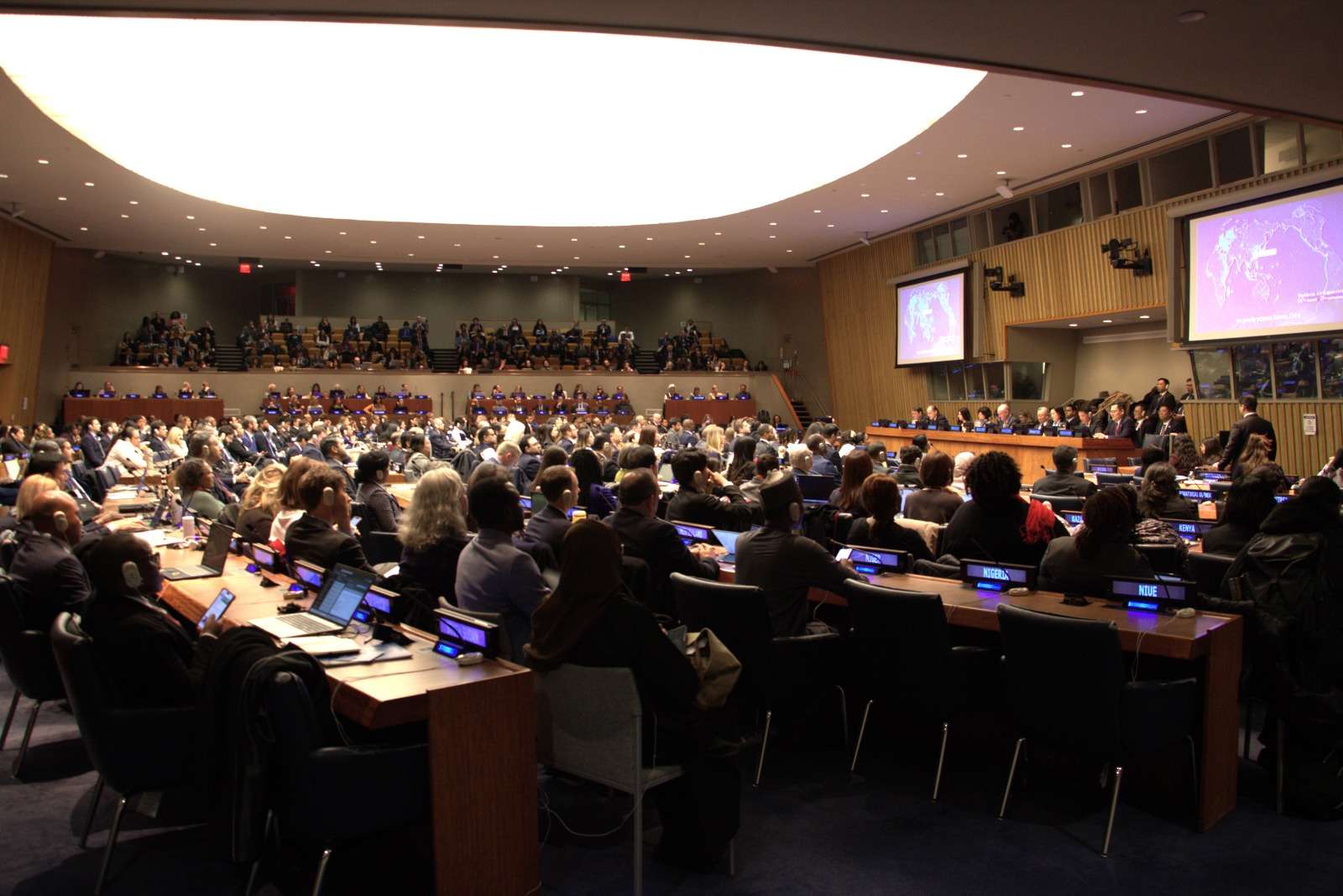
Challenger is also coordinating Antigua and Barbuda’s position alongside regional and global partners, including CARICOM and the Alliance of Small Island States (AOSIS), ensuring that the concerns of vulnerable island nations are reflected in the treaty’s implementation.
She is joined by Legal Officer Darius Joseph of the Department of Marine Services and Marine Shipping (ADOMS) and Crown Counsel II Zachary Phillips from the Office of the Attorney General, forming a technical team contributing legal and policy expertise to the negotiations.
Their participation underscores Antigua and Barbuda’s commitment to ocean conservation and sustainable use, while advocating for equitable decision-making that safeguards the interests of small island states.
Prep Com III marks the final preparatory stage before countries convene for the first Conference of the Parties (COP) on the BBNJ Treaty, expected in January next year at UN Headquarters in New York, where the agreement will become fully operational and implementation efforts will begin.

About the author
The Editorial Staff refers to all reporters employed by Antigua.news. When an article is not an original creation of Antigua.news—such as when it is based on a press release, other media articles, letters to the editor, or court decisions—one of our staff members is responsible for overseeing its publication.
Read our editorial standards and corrections policy. Spotted an error? Contact the newsroom.
More from Antigua and Barbuda
View section
More Than 2,500 Students Screened as School Vision Programme Identifies Children Needing Follow-Up
School Vision Screenings Flag Eye Concerns in More Than 280 Students
By Cory Wayland

Antigua and Barbuda Signs Visa Waiver Agreement with Azerbaijan at UN General Assembly
Antigua and Barbuda, Azerbaijan Sign Visa Waiver Agreement During UN Meetings
By Cory Wayland
St. Kitts DPP Seeks Antigua’s Help in Outstanding Case Involving Former Resort Clerk
By Shermain Bique-Charles
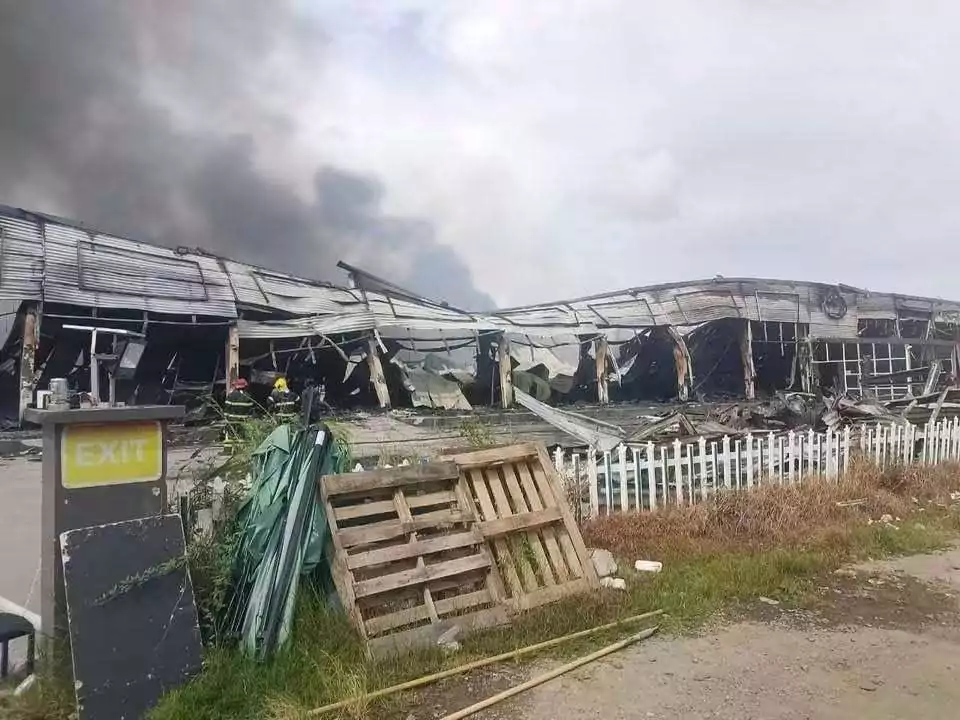
UPDATE: Nothing Spared as Fire Reduces XPZ Supermarket to Ruins Again
By Shermain Bique-Charles
Comments (1)
Juju Bee March 28, 2026, 9:42 AM