





















Climate and Renewable Energy Adviser, Ingrid Lavine
Antigua and Barbuda is among several Caribbean nations being urged to tap into abundant natural resources, including solar, wind and geothermal energy, as part of a wider regional shift toward renewable power.
According to Ingrid Lavine, Climate and Renewable Energy Adviser with the UK Foreign, Commonwealth & Development Office, the Caribbean possesses vast untapped potential to generate more clean energy than it consumes, with the possibility of exporting surplus power or converting it into fuels such as green hydrogen and ammonia.
But despite this potential, the region, including Antigua and Barbuda remains heavily dependent on fossil fuels. Across CARICOM, approximately 87 percent of electricity generation is still oil-based, contributing to some of the highest energy costs in the world. Households in the Caribbean often pay two to three times more for electricity than those in larger economies.
The UK has been a key partner in supporting the region’s transition. Since 2015, it has invested approximately US$39 million in renewable energy projects across the Eastern Caribbean, including solar installations, energy efficiency upgrades, and geothermal development.
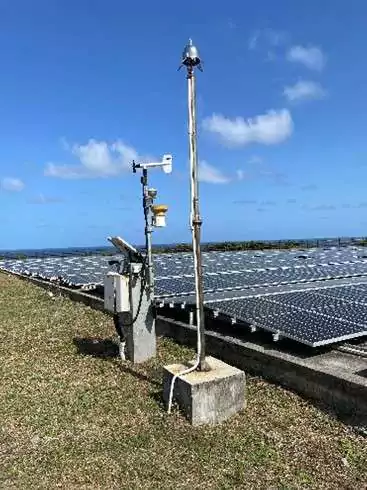

While Antigua and Barbuda has made strides in expanding solar energy, experts say more aggressive action will be needed if the country is to benefit fully from regional initiatives now being rolled out.
A major milestone in the region is expected later this month when Dominica commissions the first geothermal power plant in the English-speaking Caribbean, a project supported by the UK that has been years in the making. Similar projects are being explored in Grenada and St. Lucia.
Regional progress, however, has been slow. CARICOM set a target of achieving 47 percent renewable electricity generation by 2027, but as of 2023, only about 13 percent has been reached.
Experts point to several challenges facing small island states like Antigua and Barbuda, including limited grid capacity, high upfront investment costs, and fragmented energy markets that make large-scale projects more difficult to finance.
Still, opportunities are emerging. Proposed solutions include regional collaboration on energy procurement, modernization of electricity grids, and reforms to attract private investment. Increased training and technical capacity are also seen as critical to sustaining long-term progress.
The UK has also committed to supporting a new regional action plan under the Global Clean Power Alliance for the period 2026 to 2028. The initiative aims to provide technical expertise and mobilize private sector investment to accelerate clean energy adoption across the Caribbean.
For Antigua and Barbuda, the shift toward renewable energy could mean reduced electricity bills, improved energy security, and greater resilience against global oil price shocks.
With pressure mounting to reduce costs and meet climate targets, officials say the window for action is narrowing — but the opportunity remains within reach.




0 Comments