
PM Browne Defends Utility Bill Waiver, Says Policy Targets Poor and Indigent

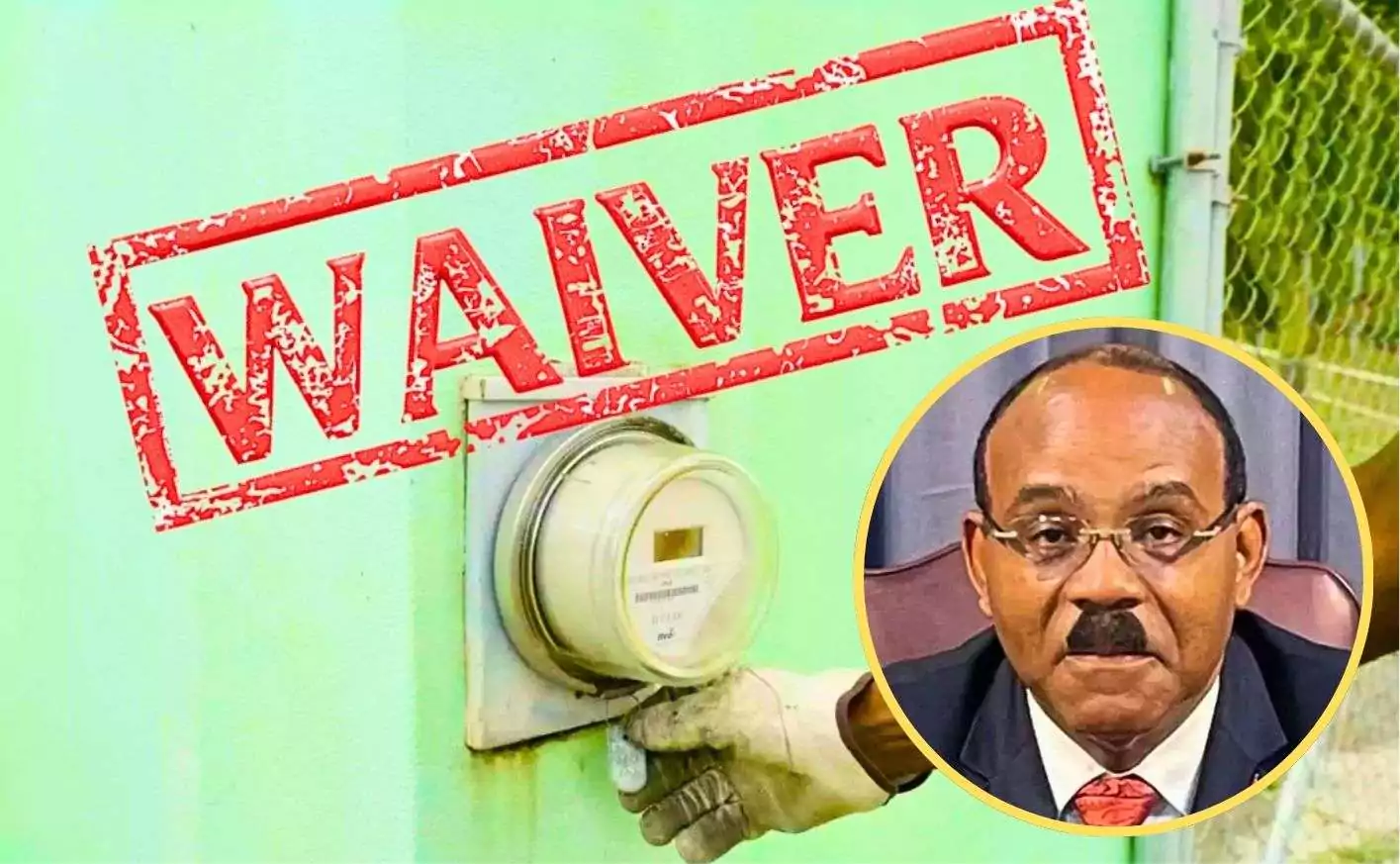
Prime Minister Gaston Browne is defending the government’s decision to wipe out outstanding utility bills older than six months, arguing that the move is necessary to support vulnerable households and prevent dangerous living conditions.
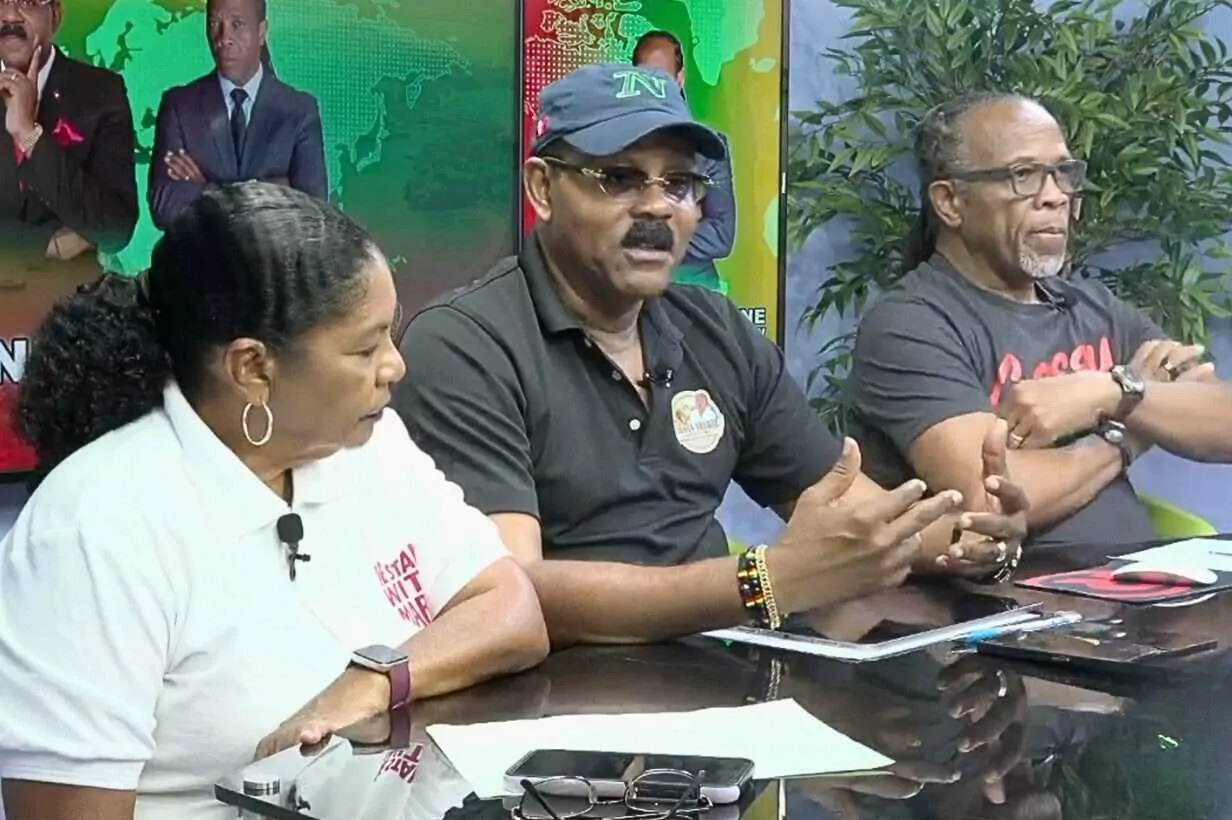
Speaking on his weekly radio programme, Browne said the policy is rooted in a long-standing belief that individuals who go without electricity for extended periods are not unwilling to pay, but simply unable to afford it.
He recalled witnessing schoolchildren using cellphone light to study during the 2014 election campaign—an experience that shaped the government’s approach to utility arrears.
According to the Prime Minister, any unpaid utility bill exceeding six months should be considered “bad debt,” as most people who can afford electricity would not allow disconnection for such a prolonged period.
“If someone has been without electricity for six months or more, it tells you they are facing serious hardship,” Browne said, adding that such debts should be written off to give affected individuals a fresh start.
Cabinet has since approved a policy to wipe outstanding arrears for water, electricity, and landline services once they exceed six months. The initiative also includes reconnection of affected households.
Browne stressed that the programme is specifically targeted at individuals experiencing financial hardship and will not apply to businesses or those who can afford to pay.
“This is about helping the poor and indigent. It’s about empowerment and ensuring everyone shares in the country’s progress,” he said.
The Prime Minister also raised safety concerns, noting that households without electricity often resort to candles or unsafe lighting, increasing the risk of fires. He referenced a past incident in which two children reportedly died in a house fire linked to candle use.
Addressing criticism that the policy is unfair to those who consistently pay their bills, Browne said the focus must remain on protecting the most vulnerable.
“This is not about politics. It’s about ensuring no one falls through the cracks,” he said.

About the author
Shermain Bique-Charles is an accomplished journalist with over 24 years of dynamic experience in the industry. Renowned for her exceptional storytelling and investigative skills, she has garnered numerous awards that highlight her commitment to journalistic integrity and excellence. Her work not only informs but also inspires, making her a respected voice in the field.
Read our editorial standards and corrections policy. Spotted an error? Contact the newsroom.
More from Antigua and Barbuda
View section
Mighty Sparrow Dies at 91, Leaving Behind a Caribbean Musical Legacy
Legendary Trinidadian calypsonian leaves behind a musical legacy that shaped Caribbean culture for more than half a century
By Cory Wayland

VIDEO: Stove Gets a Front-Seat Ride as Solid Waste Workers Face Police Investigation
A homeowner’s camera reportedly caught two Solid Waste workers taking a stove and weed eater. Their placement may have caused confusion, but the stove’s alleged front-seat ride has raised questions.
By Editorial Staff

Man Shot in Abdomen During Pre-Dawn Drive-By Shooting in Villa
Police are investigating after a man in his 50s was shot while walking home from a party early Sunday morning.
By Cory Wayland

Antiguan Businessman Samuel Doumith Dies After Period of Illness
Family and friends mourn the loss of well-known Antiguan businessman
By Shermain Bique-Charles
Comments (6)
Ash April 8, 2026, 12:06 AM
Dold April 7, 2026, 12:47 PM
chupzzz April 7, 2026, 12:32 PM
Anya April 5, 2026, 9:53 PM
Tanya April 5, 2026, 7:00 PM
Juju Bee April 5, 2026, 11:31 AM