
IMF singles out tourism-dependent Caribbean as hardest hit by Middle East war, warns against fuel subsidies

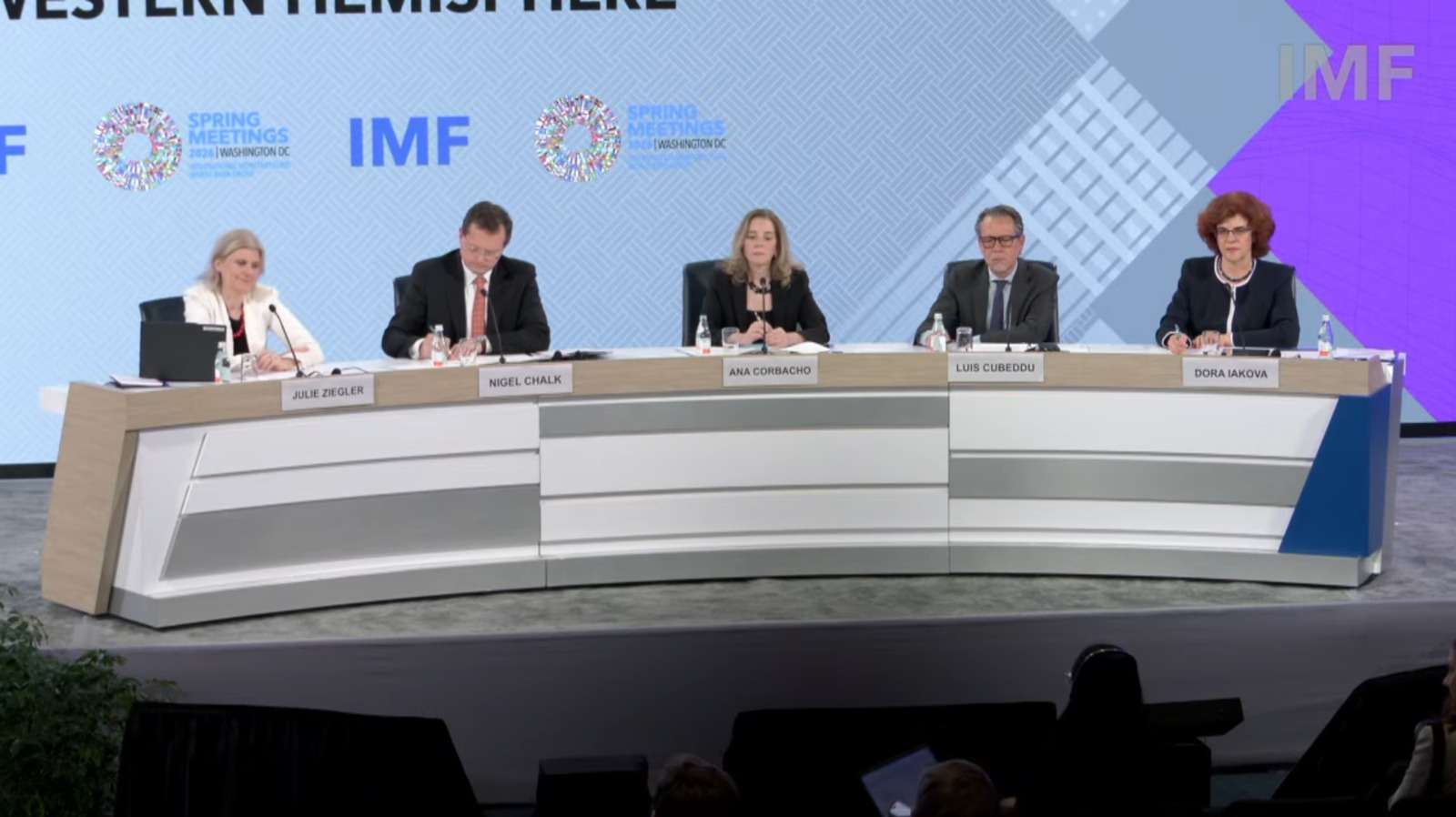
The International Monetary Fund (IMF) has identified tourism-dependent Caribbean economies as the most vulnerable group in the Western Hemisphere to the economic fallout from the Middle East war, with Western Hemisphere Department Director Nigel Chalk warning that high debt, limited fiscal space, and heavy dependence on energy imports leave the subregion facing a sharper shock than any other grouping in Latin America and the Caribbean.
Chalk made the remarks Thursday during the IMF’s press briefing for the April 2026 Regional Economic Outlook for the Western Hemisphere, held during the fund’s Spring Meetings.
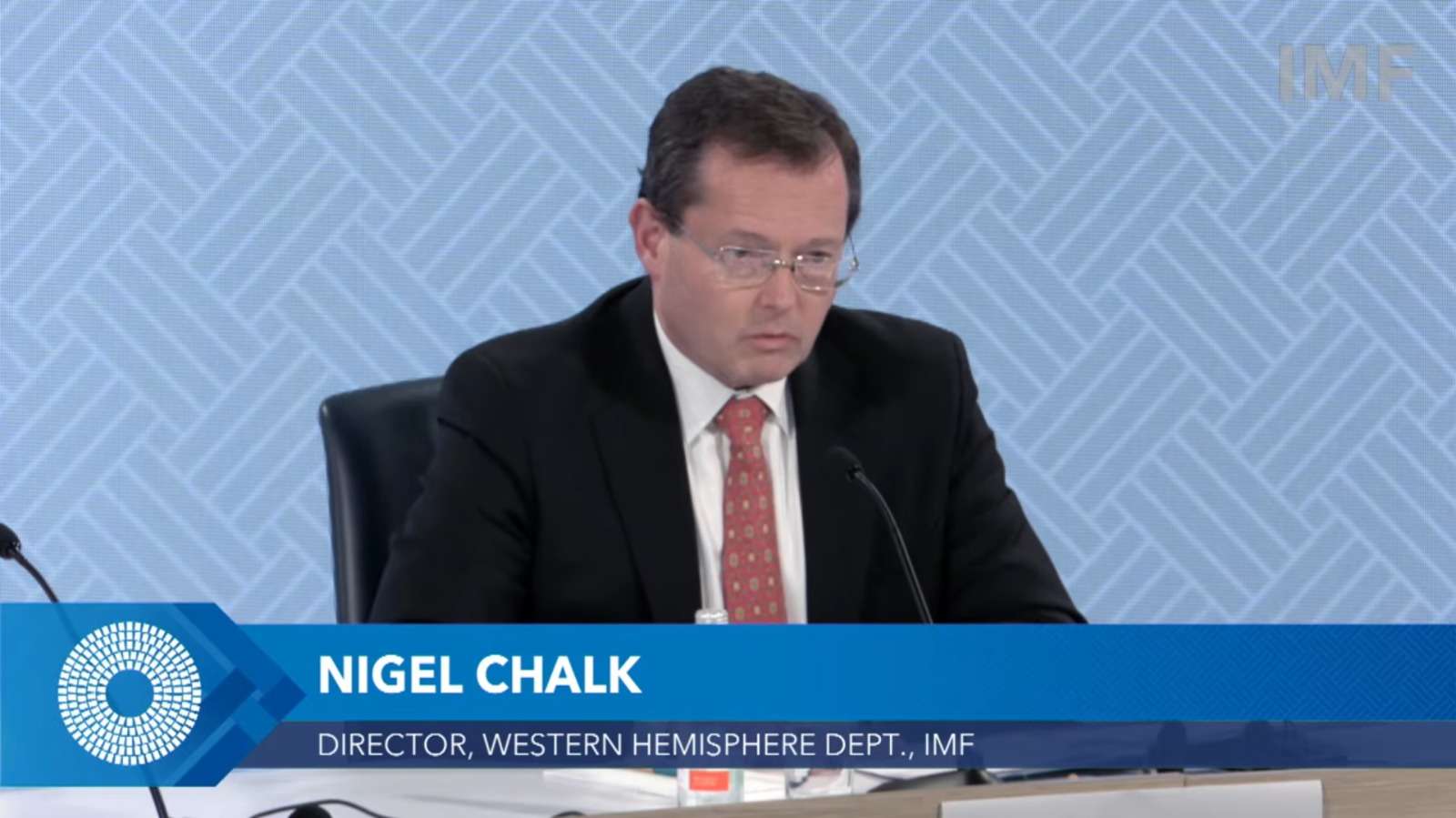
“We are very concerned that tourism-dependent Caribbean economies are likely to be the hardest hit,” Chalk said. “Their debt is high, their fiscal space is small, and they’re quite large net energy importers, even despite investments that have been made in these countries in shifting towards renewables.”
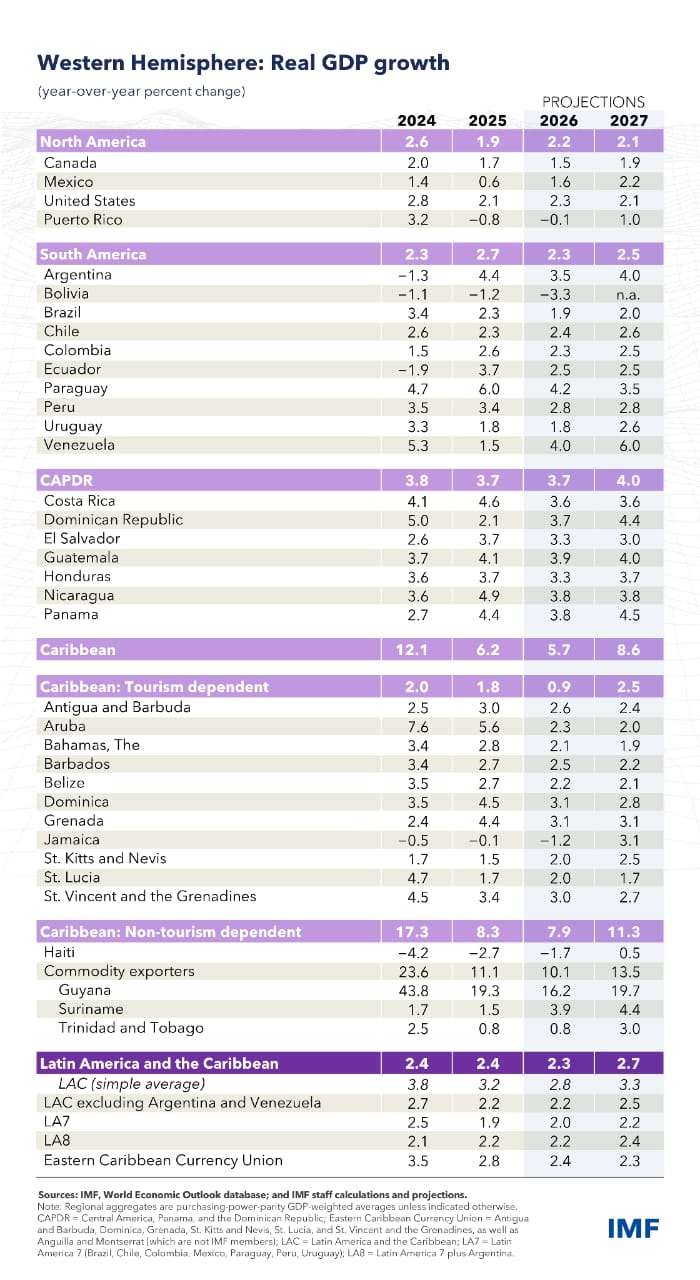
According to the fund’s April 2026 Regional Briefing, the tourism-dependent Caribbean subgroup — which includes Antigua and Barbuda, Barbados, Grenada, St. Kitts and Nevis, St. Lucia, Dominica, and St. Vincent and the Grenadines among others — carries a net oil import burden of negative 7.3 percent of GDP, the heaviest energy import exposure of any grouping in the hemisphere.
The group’s 2026 real GDP growth projection has been revised down by 1.1 percentage points compared to the fund’s October 2025 forecast, with growth now expected at just 0.9 percent for the year before partially recovering to 2.5 percent in 2027.
Chalk noted that the conflict has also introduced uncertainty around the tourism sector itself.
“We also don’t know what the potential impact of this war and the shifts in energy prices may have on flights and on tourism, and so that’s another thing we’re keeping an eye on,” he said.
The IMF director stressed that prior to the outbreak of the conflict, the hemisphere had entered 2026 on a solid footing.
“For most countries, growth was close to potential, output gaps were largely closed, and inflation was at target,” Chalk said, noting that the region had also adapted to shifts in US tariff policy more effectively than earlier forecasts had anticipated.
On the question of how Caribbean governments should respond, Chalk urged restraint on energy subsidies.
Several countries in the Caribbean already have mechanisms that smooth energy price increases and prevent immediate full pass-through to consumers, he noted, but he cautioned against making those arrangements permanent.
“What we don’t want is for countries to permanently increase subsidies to energy,” he said. “Those subsidies are untargeted. They benefit the rich more than they benefit the poor.”
Chalk added that the unpredictability of oil markets made broad subsidy commitments particularly dangerous for small island states.
“You can start that process maybe with oil prices at 90, but you don’t know what oil prices will be three months from now,” he said. “So, the size of the subsidies you may be creating over time could be quite large and quite unpredictable.”
Instead, the fund’s position is that fiscal support should be targeted directly at the families, farmers, and businesses most affected by the price shock.
“We do think that fiscal support can be provided, but it should be used judiciously, and it should be focused on the vulnerable families, farmers, and businesses that are most affected by this shock,” Chalk said.
The IMF’s inflation projections for the tourism-dependent Caribbean show end-of-period inflation rising to 3.0 percent in 2026, up from 2.4 percent in 2025.
Across the broader Latin America and Caribbean region, end-of-period inflation for 2026 has been revised upward by 2.4 percentage points relative to the October 2025 forecast, with the region now projected at 6.6 percent.
This story was first published by Antigua News on : antigua.news/2026/04/17/imf-singles-out-tourism-dependent-caribbean-as-hardest-hit-by-middle-east-war-warns-against-fuel-subsidies. © 2026 Antigua News. Republication without permission is not allowed.

About the author
The Editorial Staff refers to all reporters employed by Antigua.news. When an article is not an original creation of Antigua.news—such as when it is based on a press release, other media articles, letters to the editor, or court decisions—one of our staff members is responsible for overseeing its publication.
Read our editorial standards and corrections policy. Spotted an error? Contact the newsroom.
More from Antigua and Barbuda
View section
Chinese Partners Join Social Protection Board in Successful Food Distribution
Donated meals and hands-on support bring assistance to members of the public, with Operations Manager Emily Baltimore praising the partnership.
By Shermain Bique-Charles

Residents Inside CHOGM Security Zone Warned About Temporary Re-entry Restrictions
Police say people may leave their homes during the opening ceremony restrictions but could face difficulty returning before controls are lifted.
By Shermain Bique-Charles

No Nationwide Lockdown for CHOGM, Officials Assure Public
Temporary security restrictions and convoy stops will affect selected areas while businesses and essential services continue operating.
By Shermain Bique-Charles

Police Say Previous Grays Farm Investigation Led To Washington Bramble’s Arrest at Town Hall Meeting
Police say several attempts to locate Bramble for questioning had been unsuccessful before officers arrested him during Wednesday’s town hall meeting.
By Cory Wayland
Comments (1)
Apex Jones April 17, 2026, 8:22 PM