












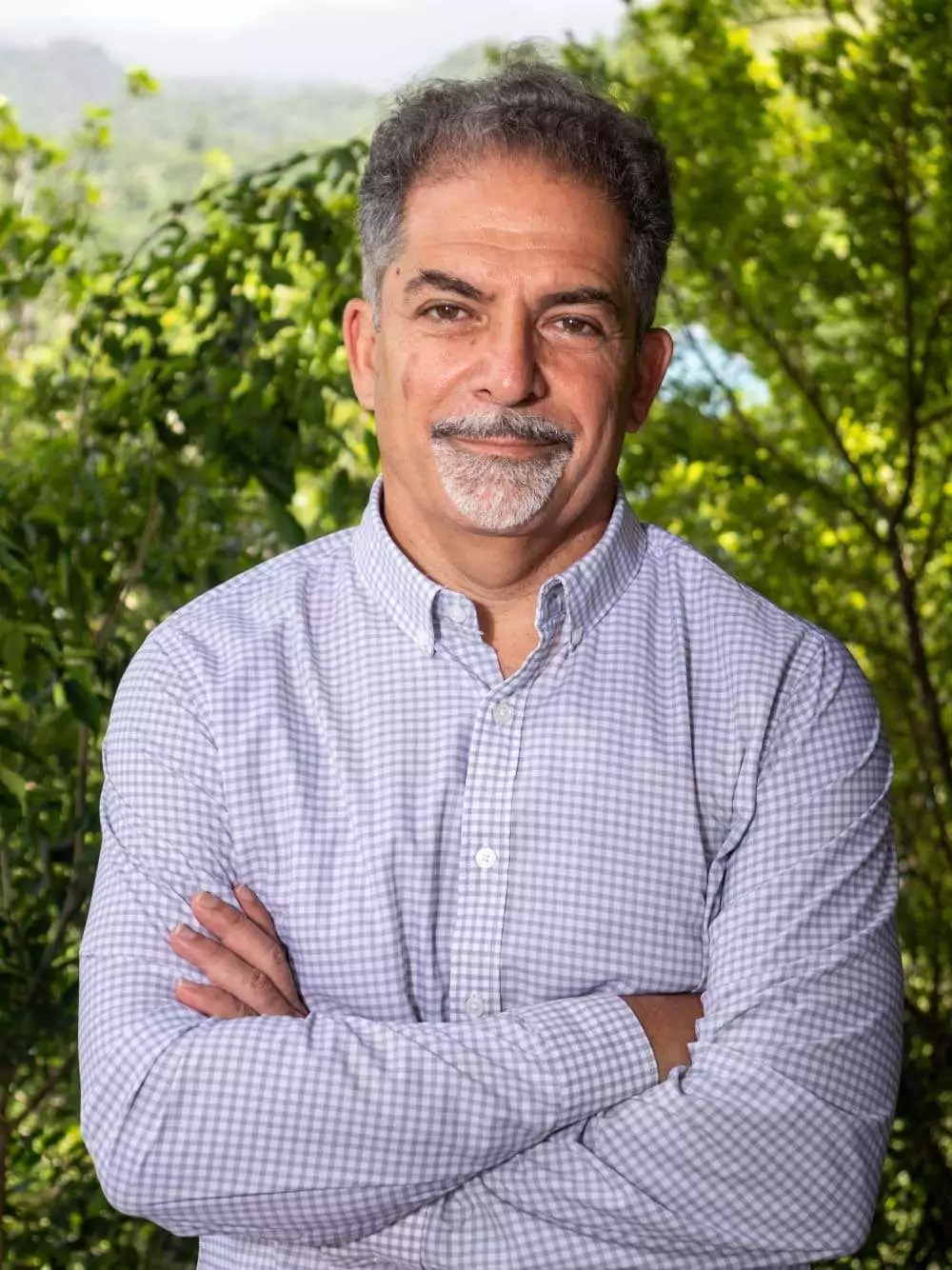
CHTA President-Elect Gregor Nassief
Fresh from his historic election as President-elect of the Caribbean Hotel and Tourism Association (CHTA), Dominican tourism executive Gregor Nassief is warning that tightening U.S. visa restrictions could have serious consequences for Caribbean tourism, business and family life after he and his wife were denied visa renewals.
Nassief, who will assume leadership of the region’s premier tourism organization in December, said the denial has left him deeply concerned, not primarily for himself, but for what it could signal for thousands of Caribbean nationals facing similar challenges.
Speaking publicly about the experience, Nassief revealed that he and his wife travelled to Barbados to renew their U.S. visas, which were nearing expiration after a previous ten-year validity period.
Instead, the couple was informed that their applications could not be approved because of existing U.S. restrictions affecting nationals from Dominica and Antigua and Barbuda.
The development places one of the Caribbean tourism industry’s most influential voices among a growing list of regional citizens facing uncertainty over travel to the United States.
Nassief’s concerns extend beyond personal travel inconveniences. As incoming head of the CHTA, he is expected to represent Caribbean tourism interests internationally, including engagement with airlines, investors, travel partners and policymakers in the United States—the region’s largest tourism source market.
While expressing confidence in the strength of the CHTA leadership team, Nassief questioned what the restrictions could mean if they become more widespread across the Caribbean.
“It is a huge blow to the region from a tourism and business perspective if investors, ministers and industry representatives are not able to travel to represent the region’s interests,” he said.
The Dominican businessman also raised concerns about the potential impact on air connectivity between the Caribbean and the United States.
According to Nassief, Caribbean nationals account for a significant portion of passenger traffic on flights between the region and North America. A sustained reduction in travel could affect airline profitability and, ultimately, route availability.
“If progressively fewer nationals are able to travel to the United States, those routes become less profitable,” he warned.
Beyond tourism and commerce, Nassief said the restrictions are creating a growing humanitarian concern.

He pointed to Caribbean families separated by medical emergencies, educational milestones and aging relatives who may now find it increasingly difficult to maintain family connections across borders.
“My largest concern is the human cost,” Nassief said, noting that many Caribbean citizens rely on travel to the United States for healthcare, family support, education and business opportunities.
The issue carries additional significance given Nassief’s recent elevation to regional tourism leadership. His election marked a milestone for Dominica and the wider OECS, making him the first Dominican-born and Dominican-resident national to become President-elect of the CHTA.
Industry observers say his inability to secure a visa renewal could become a powerful symbol of the challenges facing Caribbean business leaders at a time when the region is seeking to expand tourism investment, strengthen airlift and deepen economic ties with international partners.
Despite his disappointment, Nassief encouraged Caribbean nationals not to abandon efforts to obtain visas, expressing hope that exceptions or discretionary measures could still be granted in urgent circumstances.
He also called for continued dialogue between Caribbean governments and U.S. authorities to address the concerns that have led to the restrictions.
“I am hopeful that our governments are able to sit down with the United States and deal with the issues as best as we can,” he said.
For Nassief, however, the broader concern remains whether his experience reflects an isolated case or the beginning of a more restrictive era for Caribbean-U.S. travel relations.
If it is the latter, he believes the consequences could be felt far beyond immigration offices, reaching into boardrooms, tourism markets and families throughout the Caribbean.




When a respected regional businessman faces a visa denial, people naturally going ask questions
This is definitely a huge blow to not just Nassief but the Caribbean on a whole
Do what you want USA. Antigua & Barbudans will suffer the consequences’ of the greed of the governments they choose.