





















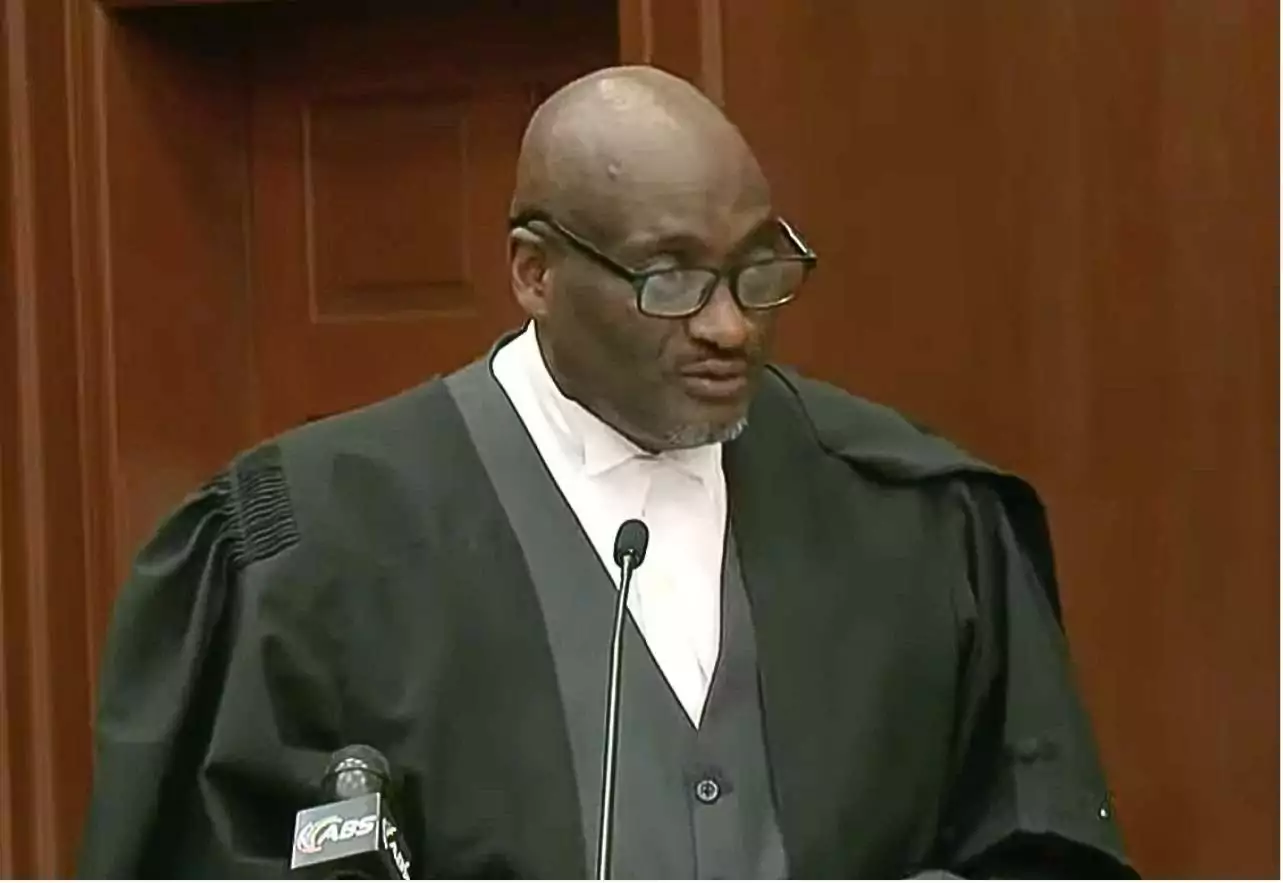
Director of Public Prosecutions Clement Joseph
Director of Public Prosecutions Clement Joseph has defended his decision not to publicly explain why certain criminal cases are discontinued, insisting that the Constitution does not require him to justify the exercise of his prosecutorial powers.
Speaking in an interview with Observer Media, Joseph said he owes no explanation to the public regarding individual prosecutorial decisions, despite growing criticism following the dismissal of two recent cases by his office.
“The Constitution gives me discretion,” Joseph said, arguing that while his decisions may be challenged in court under specific circumstances, they are not subject to public approval or demands for disclosure.
Joseph maintained that the Office of the Director of Public Prosecutions operates independently and that prosecutorial decisions are based on legal considerations rather than public opinion. He noted that any challenge to his actions must be pursued through the courts if there is evidence that a decision was unreasonable or constituted an abuse of authority.
The DPP also questioned whether those criticizing his office had sought clarification directly from him before airing their concerns publicly. He suggested that much of the criticism appears to be based on social media commentary rather than engagement with his office.
His remarks come as debate continues over the role of transparency within the criminal justice system, particularly when cases that have attracted public attention are suddenly discontinued.
Offering a different perspective, attorney-at-law and former Police Commissioner Wendell Alexander said the public has a legitimate interest in understanding major prosecutorial decisions, especially when they involve matters of significant public concern.

Alexander argued that while the DPP’s powers are protected under the Constitution, the office remains a public institution and should be prepared to provide explanations in cases that generate widespread interest or controversy.
“In the interest of transparency, I would say that the public has a right to know because the Office of the Director of Public Prosecutions is a public office,” Alexander stated.
He added that public confidence in the justice system can be strengthened when authorities provide clear reasons for decisions that affect high-profile cases.
Alexander also pointed out that the DPP’s decisions remain subject to judicial review and may be challenged before the High Court if they are found to be unreasonable or an abuse of authority.
Joseph, however, said there are limits to what can be disclosed, emphasizing that some matters must remain confidential and shared only on a need-to-know basis. He rejected suggestions that he should release information to satisfy critics or respond to political pressure.
The DPP further noted that his office provides updates on prosecutorial trends and developments during public addresses at the start of each law term. However, he reiterated that the constitutional framework does not oblige him to explain individual decisions.
The exchange has reignited discussion about where the line should be drawn between prosecutorial independence and public accountability, particularly in cases that generate widespread public interest.



Wow, common Mortal
Very interesting read. Thanks for keeping me engaged. Good writing