












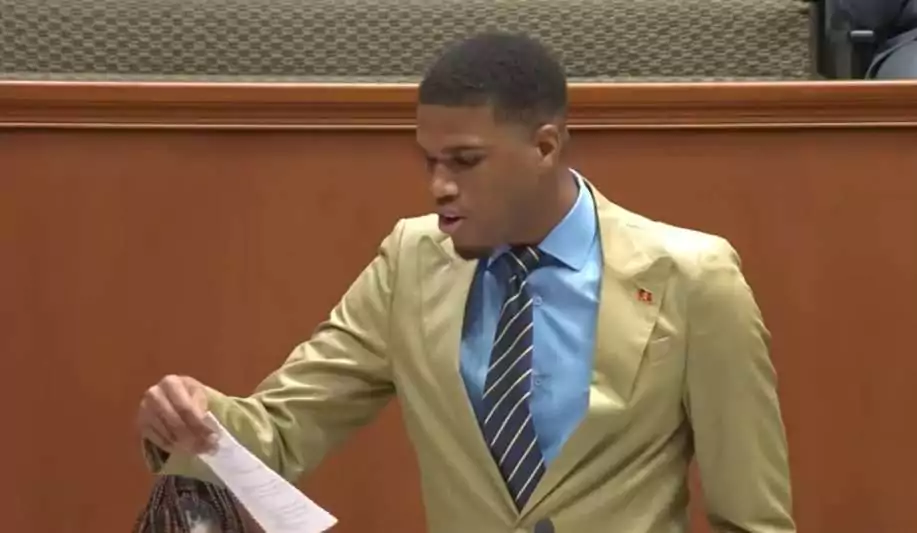
Senator Jonathan Wehner
Senator Wehner presses for bereavement clause to cover informally fostered children
In his maiden contribution in the Senate, Senator Jonathan Wehner sought to press the government over a drafting gap he said leaves out children commonly taken into Antiguan and Barbudan households without formal adoption.
Speaking during the debate on the Fatal Accidents Bill 2026, Wehner told the chamber that Clause 4 of the bill, which governs bereavement damages, excludes such children even though the bill’s broader definition of dependent in Clause 2 would otherwise cover them.
“We live in a society in the Caribbean where we say a village raises a child,” Wehner said, pointing to the late MP for St Mary’s South Hilston Baptiste as an example of someone who had cared for many children across the south of Antigua without legally adopting them.

He said similar arrangements remain common today, often involving orphans or children whose families have not taken responsibility for their care.
“Now, clause four, bereavement, excludes such minors, such children who are neither adopted, who are not blood relatives, from being afforded any bereavement damages,” Wehner told senators, asking whether the House wanted to knowingly pass legislation that left such children out.
“I hope that we are compassionate in this house. We see the needs that we have reflected in our society, and we show some consistency from the same legislation that the government would have been bringing to this house.”
He added: “All we’re asking for is for clause four to reflect what is provided for in clause two,” he said, urging the leader of government business to address the matter at the committee stage rather than wait for a future amendment.
He added that the public would understand and appreciate the change if the bill were sent back to the House to include the provision.
Wehner also raised the $20,000 cap on bereavement damages, arguing the figure should be built into the legislation to rise incrementally rather than requiring senators to return to amend the bill again in years to come.
“Let us now make the amendment here that you don’t have to come to amend the bill,” Wehner said.
During committee stage, clarification was provided by the legal drafter over this particular provision as to not limiting the court from awarding other damages but noting that bereavement damages was a one-time payment to grieving parents, spouses and children.




Lorddd next thing you know we will be asking for mistresses and side pieces to be considered