
US to Impose Fixed Time Limits on Student, Exchange and Journalist Visas

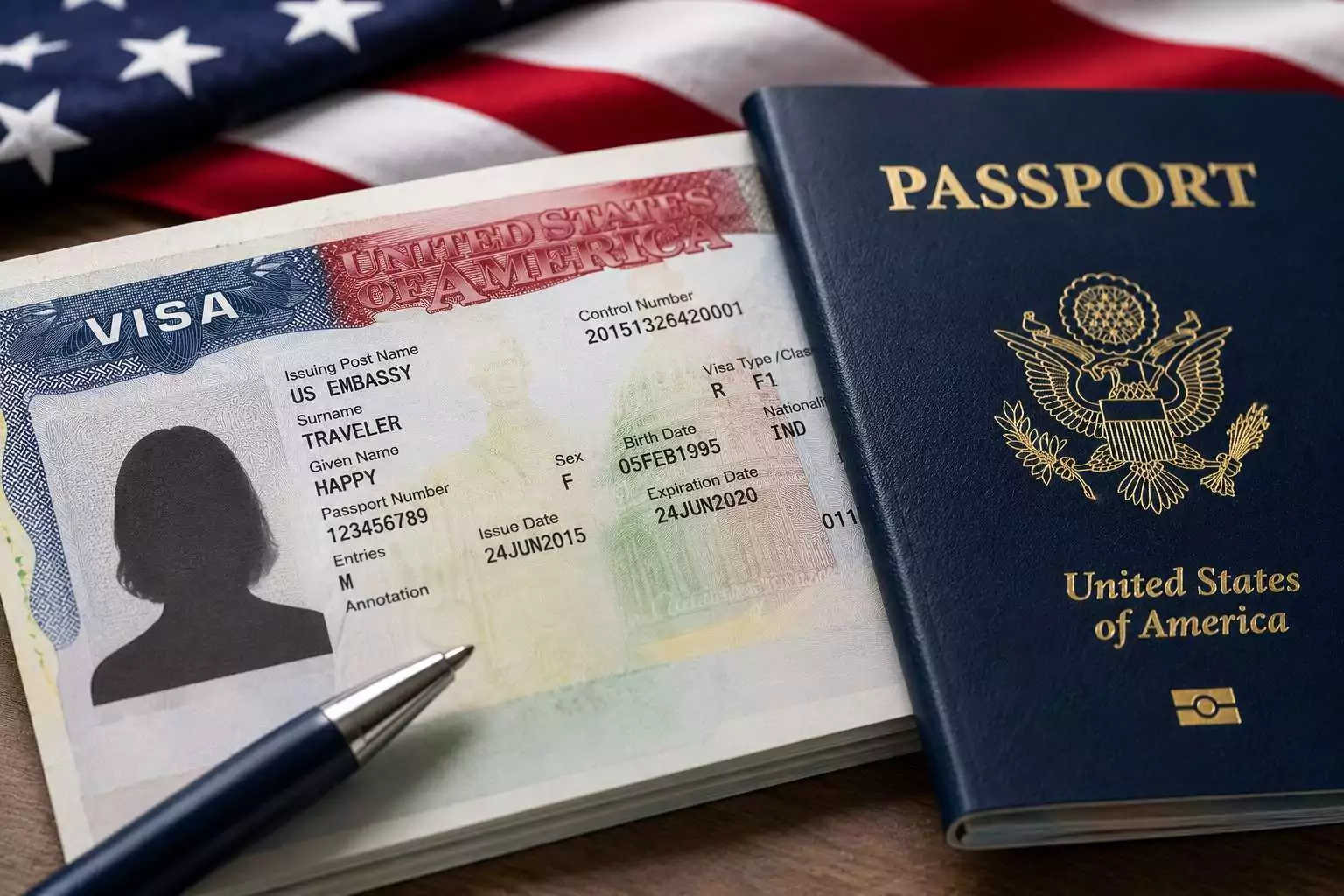
Antiguans and Barbudans planning to study, participate in exchange programmes or work as journalists in the United States could soon face stricter immigration rules after the Trump administration announced sweeping changes to how certain non-immigrant visas will be managed.
The U.S. Department of Homeland Security (DHS) has introduced a new regulation that will replace the long-standing “duration of status” (D/S) system with fixed admission periods for many international students, exchange visitors and foreign media representatives.
Under the existing system, holders of F, J and I visas are generally permitted to remain in the United States for as long as they continue to meet the conditions of their visa, such as remaining enrolled in an approved educational institution, participating in an exchange programme or maintaining accredited journalistic assignments.
Once the new rule takes effect, those travellers will instead be granted permission to remain in the United States for a specific period. Anyone wishing to stay beyond that date will be required to apply for an extension through U.S. immigration authorities or depart the country before their authorised stay expires.
The new regulation is expected to come into force 60 days after its official publication.
Potential Impact on Antiguans and Barbudans
The changes could have significant implications for citizens of Antigua and Barbuda who pursue higher education or professional opportunities in the United States.
Each year, Antiguan and Barbudan students enrol in American colleges and universities on student visas, while others travel under exchange programmes involving research, cultural exchanges, internships and professional development.
Under the revised system, students whose academic programmes are extended because of research requirements, changes in course loads, medical leave or other legitimate circumstances may need to file additional applications with U.S. Citizenship and Immigration Services to extend their authorised stay.
Failure to obtain an extension before the admission period expires could result in individuals falling out of legal immigration status, potentially affecting future visa applications or travel to the United States.
Foreign journalists from Antigua and Barbuda covering assignments in the United States could also be affected if their reporting assignments extend beyond the initial period granted upon entry.
Additional Restrictions
The DHS rule also introduces several other changes aimed at tightening oversight of non-immigrant visa holders.
Among them are:
• Shorter grace periods for many international students after completing their studies.
• New restrictions on transferring between educational institutions.
• Additional requirements for students seeking to change academic programmes.
• Increased emphasis on maintaining continuous lawful status throughout a person’s stay.
Immigration experts say the changes will require students and exchange visitors to pay closer attention to visa expiration dates and begin extension applications well before their authorised stay ends.
Greater Administrative Burden
The shift is expected to increase administrative requirements for both visa holders and educational institutions, with universities likely to assist students in navigating extension requests and compliance with the new regulations.
Students may also face additional filing fees, longer processing times and uncertainty if extension requests are delayed.
Those planning to begin studies in the United States are being encouraged to consult closely with their designated school officials and the U.S. Embassy before travelling.
For Antigua and Barbuda, where many young people view American universities as a pathway to higher education and professional advancement, the changes could require more careful planning, stricter adherence to immigration rules and additional costs associated with maintaining lawful status in the United States.
While the new policy does not prevent Antiguans and Barbudans from studying or participating in exchange programmes in the United States, it introduces a more structured immigration system that will require visa holders to monitor their authorised stay more carefully than under the previous “duration of status” arrangement.

About the author
The Editorial Staff refers to all reporters employed by Antigua.news. When an article is not an original creation of Antigua.news—such as when it is based on a press release, other media articles, letters to the editor, or court decisions—one of our staff members is responsible for overseeing its publication.
Read our editorial standards and corrections policy. Spotted an error? Contact the newsroom.
More from Antigua and Barbuda
View section
Uroy Joseph Murder Trial: Jury Shown Bloodstained Pipe Linked to Arthur James Case
Uroy Joseph Trial Deepens as Jury Examines Burnt Car and Alleged Murder Weapon
By Cory Wayland

LETTER | Enough Is Enough: Zero Tolerance, Zero Excuses - It Is Time to Take Back Our Nation”
By Editorial Staff

Tevin Willock Jailed for Nearly 11 Months Over Ammunition Possession
Tevin Willock Receives 10-Month, 20-Day Prison Sentence for 9mm Ammunition Possession
By Cory Wayland

More Than 2,500 Students Screened as School Vision Programme Identifies Children Needing Follow-Up
School Vision Screenings Flag Eye Concerns in More Than 280 Students
By Cory Wayland
Comments (3)
Apex Jones July 18, 2026, 8:48 AM
Walter July 17, 2026, 4:14 PM
Anonymous July 17, 2026, 9:57 AM