












The Eastern Caribbean Central Bank will open its long-anticipated Office of Financial Conduct in September 2026 and has now detailed the three-step complaints process customers will be able to use against banks, including a route to a dispute resolution commission and ultimately the courts.
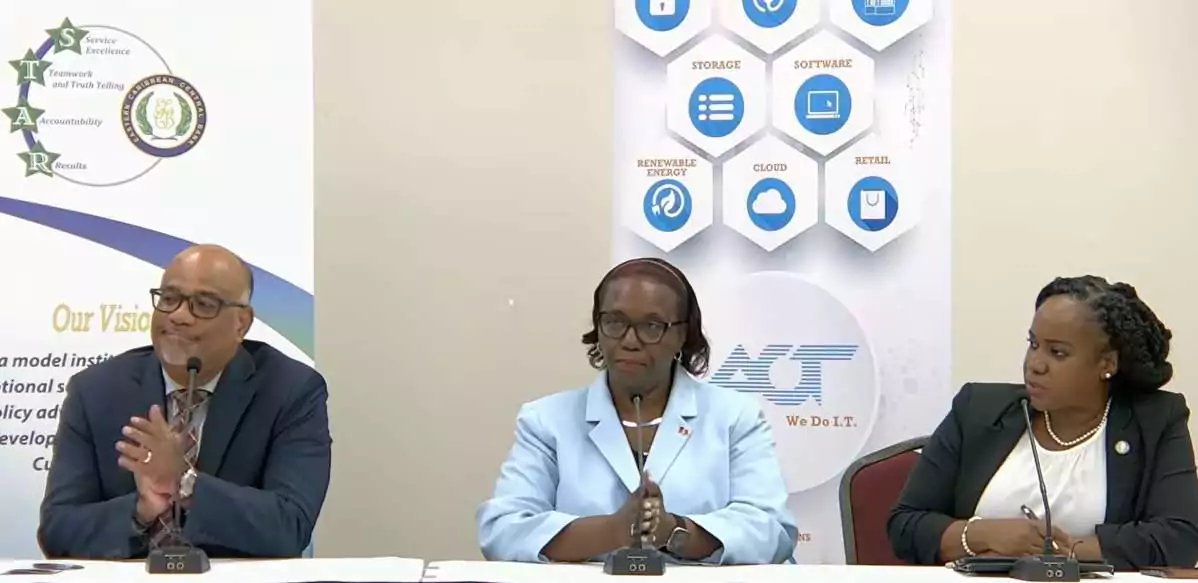
Dr Tracey Polius, Chief Director of Policy at the ECCB, laid out the mechanics during the National Cybersecurity and Fraud Prevention Forum, hosted by the Antigua and Barbuda Montserrat Bankers Association, more than a year after the central bank first flagged the office as the next step following amendments to the Banking Act.
Those amendments were passed in Antigua and Barbuda in 2025, following changes to the act itself in 2024, giving the ECCB’s forthcoming codes of conduct the force of law.
Polius said the first two codes, covering complaints handling and financial access and inclusion, will take effect at launch, with additional codes to follow, including one on the treatment of suspected fraud and scams.
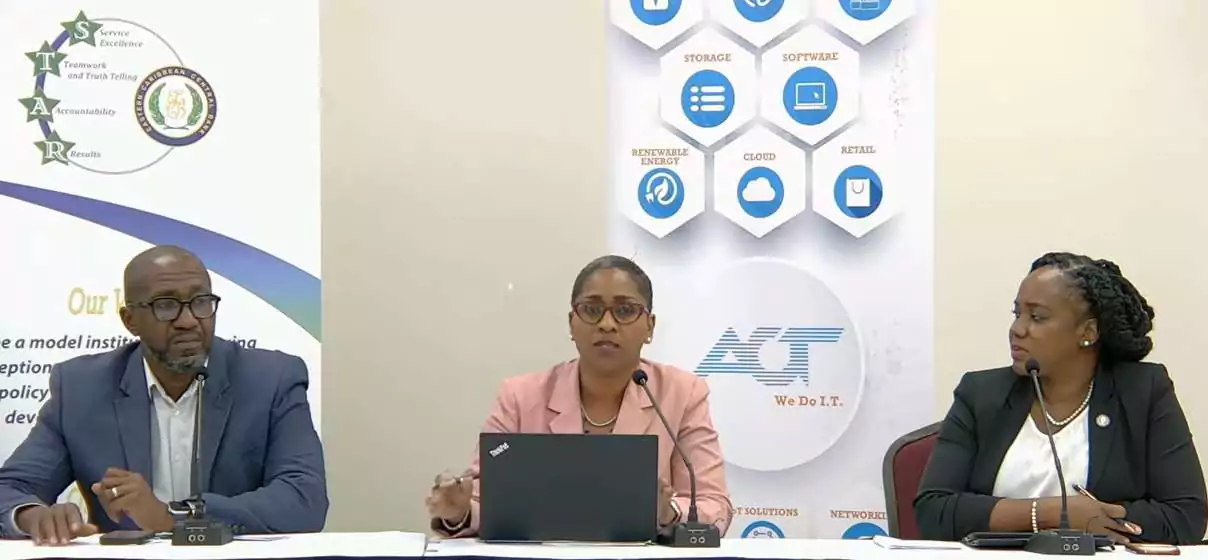
“There are quite a few codes of conduct we will be issuing,” she said, adding that the central bank has planned around 15 in total, though more may come over time.
Polius said the office marks an expansion beyond the ECCB’s existing oversight, known as micro-prudential regulation, which covers bank capital, liquidity, governance and technology risk.
The new office introduces what the ECCB calls market conduct regulation, focused on how banks treat their customers.
“The market conduct regulator is essentially a consumer protection regulator,” she said, noting the initiative responds to “a lot of complaints about our LFIs,” or licensed financial institutions.

Under the process Polius described, a customer with an unresolved issue must first raise it with their bank, which will provide a complaint form, investigate, and respond.
If the customer is not satisfied, the complaint moves to the ECCB, which will accept submissions through a web portal and a mobile application once the office launches.
Should that stage also fail to resolve the matter, a Financial Dispute Resolution Commission will serve as a further avenue.
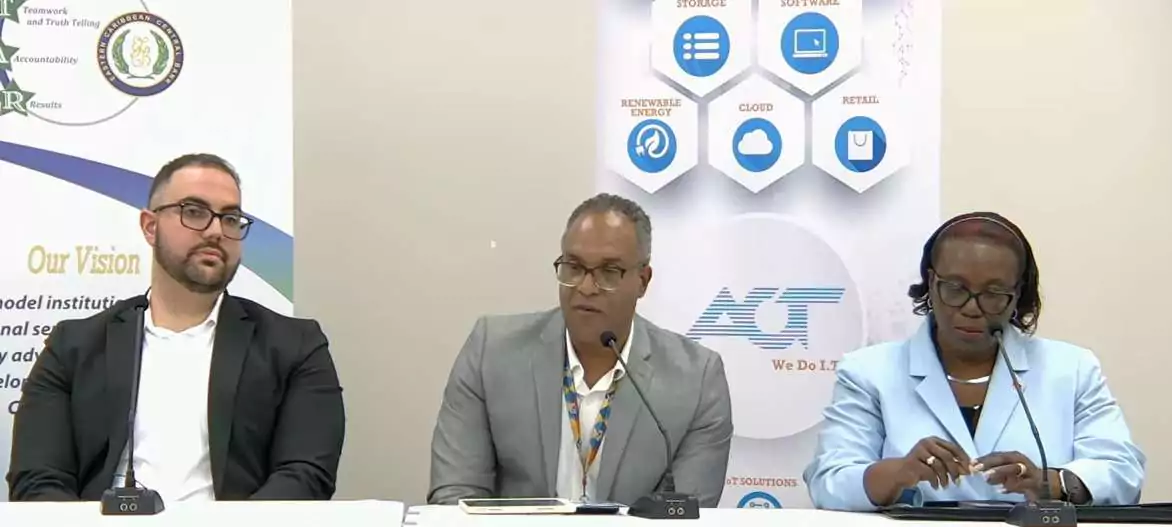
The three-member panel will include one nominee from the Bankers Association, one from the ECCB, and a chair, an attorney with more than a decade of experience, jointly appointed by both bodies.
Customers who remain dissatisfied with the commission’s ruling would then have 28 days to pursue the matter through the courts.
Polius tied the office’s launch to broader economic goals.
“For the economy to grow, for the economic pie to become larger, we need the banks to be able to lend and strengthen their intermediation activities,” she said, warning that trust cannot hold “if people revert to keeping their monies under their mattresses.”
She added that the office is also meant to guard against financial exclusion, pointing to consumers who remain wary of digital banking. “We want to ensure that the financial system continues to provide for those people as well,” she said.
The ECCB also plans administrative penalties for banks that fall short of Banking Act standards, to be assessed through the central bank’s ongoing examination and analysis process.
Alongside the regulatory rollout, the ECCB intends to run a “Bank Smart” public education campaign with commercial banks, explaining both the rights and responsibilities of financial consumers once the office is in place.
Olivia Bertine Mack, Deputy Director of the ECCB’s Anti-Money Laundering Supervisory Unit, said the education push will need to reach beyond younger, social-media-oriented audiences.
“We have a very young audience in some cases, but we also have audience that are not so inclined to the TikTok,” she said, adding that in some cases banks “simply have to pound the pavement” to reach customers.




Next time just list out the tips please instead of having me painfully read thru this entire longggggggg story
Good reminder for everyone to stay alert online. Scammers getting smarter every day
Would be nice to have info about this a bit more broadcasted too, and alot on radio for the older ones that’ll fall for most of them, scammers ain’t dumb.. but this is a good step