
A cure for cancer at last?
By Tata
Every year, nearly 10 million people die of cancer. Among these are women, children, parents, the poor, and the rich. The deadly disease is responsible for the death of one in every six persons.
However, the medical world recently witnessed a historic breakthrough. A clinical drug that was under trial has cured at least 14 patients of cancer. At the end of the clinical trial, the patients became completely healed of stages 2 and 3 of rectal cancer without chemotherapy, radiation, or surgery.
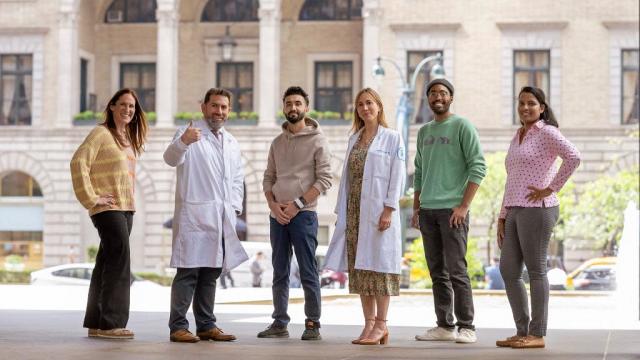
The drug used for the trial is known as dostarlimab. The research was done by some American doctors and researchers at the Memorial Sloan Kettering Cancer Center in New York. The cancer patients took a dose of the medication once every three weeks for six months, and at the end of the trial, the drug was 100% effective in healing all 14 patients. After two years, cancer has not revisited all the 14 patients that took the treatment.
In an interview with CNN, Dr. Andrea Cercek said; they “had never seen consecutive, complete responses like this before in the history of the college, where every single patient that received this drug had a complete response, meaning the turmoil completely disappeared with the drug alone.”
Dr. Cercek went on to say that although the sample (14) is small, it was amazing to see a drug that was 100% effective against rectal cancer. She added that the researchers will replicate the findings in other turmoil to see how they can work for other cancers.
While explaining the importance of this new procedure, Dr. Andrea Cercek said it does not have the same side effects as surgery and radiation.
“Surgery and radiation have permanent effects on fertility, sexual health, bowel, and bladder function. The implications for quality of life are substantial, especially in those where standard treatment would impact childbearing potential,” said Dr. Andrea Cercek.
She added that; “as the incidence of rectal cancer is rising in young adults, this approach can have a major impact.”
In an interview with Npr, Dr. Hanna Sanoff of the University of California was excited about a medication that is 100% effective against the deadly disease.
“We have never seen anything work in 100 percent of people in cancer medicine,” she said. She described the new drug as an “immunotherapy medicine that works not by directly attacking the cancer itself, but getting a person’s immune system to essentially do the work.”
Dr. Hanna Sanoff confirmed the minimal side effects of the drugs. When asked about the side effects experienced by the 14 patients, the Medical practitioner said, “Most people had no severe adverse effects at all.”
Everyone seems to be excited about this new development. However, there have been calls for caution because of the small sample that has used the medication.
“What I would really like us to do is get a bigger trial where this drug is used in a much more diverse setting to understand what the real, true response rate is going to be,” Dr. Hanna Sanoff said in the interview.
“It’s not going to end up being 100 percent… I can’t imagine it will be 100 percent. And so when we see what the true response rate is, that’s when I think we can really do this all the time.”
Some have described the drug as a miracle drug because of its effectiveness. It is no doubt a miracle drug. Although it is early to conclude how the drug will work in a larger sample, it is not too early to say it is the foundation for what will heal the world of one of the world’s deadliest diseases.
This story was first published by Antigua News on : antigua.news/2022/06/11/a-cure-for-cancer-at-last. © 2022 Antigua News. Republication without permission is not allowed.
Read our editorial standards and corrections policy. Spotted an error? Contact the newsroom.
More from Culture, Science and Tech
View section
VIDEO: As School Reopens, Simon Bolivar Pre-School’s Garden serves as a Model for teaching Agriculture in Early Childhood
By Editorial Staff

CUB Hells Gate Crowned 2026 Panorama Champions After Electrifying Carnival Showdown
By Cory Wayland
Five Female Chefs Wow Diners With Multi-Course Dinner at Hodges Bay Resort
By Shermain Bique-Charles

North Europe and the Arctic 2026: The Race for Power, Resources and New Trade Routes
By Dario Item
Comments
Be the first to comment.