
Euro continues to fall, reaches parity against the us dollar for the first time in 20 years
By Tata
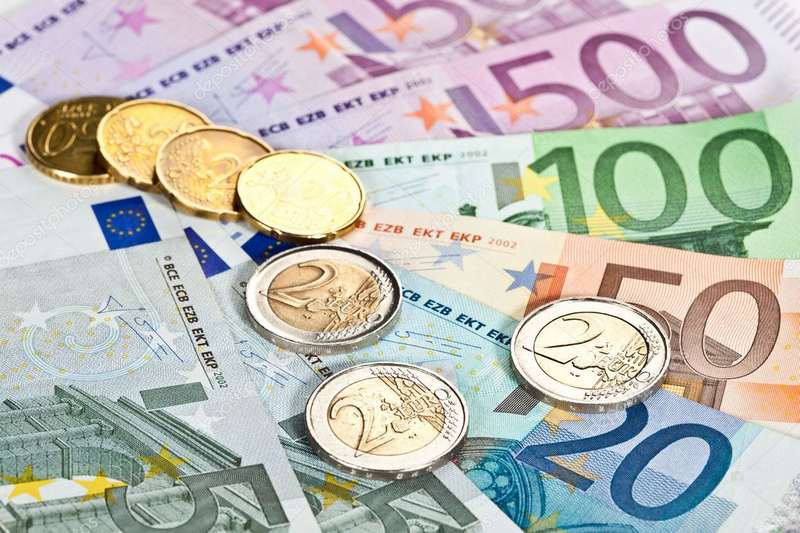
The stability that the Euro has enjoyed over the years suffered a major blow on Monday as the currency reached its lowest point in 20 years. The currency traded as low as $1.0051 against the U.S dollar on Monday. The last time it reached that point was in December 2002.
This is coming a day after Russia suspended gas supply to Germany for ten days. The Kremlin said it was routine maintenance of the Nord Stream pipeline. Experts believe that the Russian effect is significantly affecting the movement of the Euro and the economy of Europe as a whole.
Bipan Rai, the head of the North American FX strategy at CIBC Capital markets in Toronto, said: “The most proximate concern for markets is whether or not Nord Stream 1 is going to come back online.” He added that “the markets will likely price in a recession” in Europe if the gas lines are closed.
Capital Economics Markets Economist Franziska Palmas also said the slowdown or outright halting of gas supplies to Europe by Russia would determine what happens to the Euro.
“We think gas supply in the euro-zone will remain tight and gas prices high. This is part of the reason why we expect the euro-zone economy to flirt with recession this year, even though we are only assuming a slowdown, rather than a halt to Russian gas supplies,” Palmas said.
She added that the Euro is expected to underperform this year and next year. She said: “The upshot is that while we don’t expect euro-zone assets to continue underperforming their DM peers, we expect their absolute performance to remain poor this year and next.”
Last week, Saxo Bank’s foreign exchange strategist said the trades in the Euro-zone economy were likely to slow down in the coming days. He said: “Given the nature of Germany’s exports which are commodity-price sensitive, it remains hard to imagine that the trade balance could improve significantly from here in the next few months given the expected slowdown in the Eurozone economy.”
NO BOTTOM YET FOR THE EURO
From all indications, the fall of the Euro is far from over. On Monday, it traded at parity with the US Dollar. Experts believe that the fall is continuing.
Economist Franziska Palmas said it is likely that the Euro would further deteriorate. She said: “While we think it would take a significant further deterioration in the outlook for the euro-zone economy for the underperformance of the euro and euro-zone assets to continue, we still expect them to struggle further.”
Chief Economist Robin Brooks also said on social media that the fall of the Euro was “only getting started.
“When an exchange rate is moving, there’s always a question whether it still has a long way to go or if the move is done. The fall in the Euro has LOTS more room to go. Eurozone 2-year interest rates have only just begun to fall vis-à-vis US rates. We’re only getting started,” Robin Brooks said on Twitter.
He also said the Euro “is down -11% since Russia invaded Ukraine, but this is only the beginning.” He added that the Eurozone is going into recession, and the Euro would go “down more.”
“Russia’s invasion of Ukraine would send Eurozone into recession, making inflation worries obsolete. Markets are now catching up to that,” the Chief Economist said on Twitter.
Some experts have differed on the cause of the fall. Some have said it was because the dollar has gained strength recently, hence the fall of the Euro. Others feel the US dollar is now safer because of the uncertainty in Europe. In the next few days, before Russia resumes gas supply to Germany, the Euro could fall lower than the US dollars. It is definitely time for the EU to reshape its policies.
This story was first published by Antigua News on : antigua.news/2022/07/12/euro-continues-to-fall-reaches-parity-against-the-us-dollar-for-the-first-time-in-20-years. © 2022 Antigua News. Republication without permission is not allowed.
Read our editorial standards and corrections policy. Spotted an error? Contact the newsroom.
More from Business and Finance
View section
Monaco exits FATF grey list in boost to €190bn wealth hub
The decision ends 28 months of FATF monitoring, but Monaco remains on the EU’s separate list of high-risk third countries.
By Dario Item

Liechtenstein register hack exposes the privacy risks of financial transparency
Data concerning 31,000 legal entities were stolen from the principality’s beneficial ownership register. As access moves to an identity-checked service in Vaduz, the unresolved question is whether stronger entry controls can protect the people behind the records.
By Dario Item

How much is Hormuz really adding to Caribbean fuel prices?
The disruption is raising the cost of gasoline and diesel far beyond the Gulf. But refinery shortages, shipping costs and changes to subsidies must be separated to establish what motorists are paying for.
By Dario Item

From Potters to Dallas: Antiguan and Barbudan Ryancia Henry Rises to Top Luxury Hotel Management Role
By Shermain Bique-Charles
Comments
Be the first to comment.