

















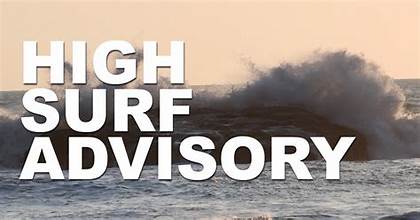
The Meteorological Office has issued a warning of high surf advisory in the Antigua and Barbuda region, including Montserrat, St. Kitts, Nevis, Anguilla, and the British Virgin Islands.
The advisory took effect from 10pm last night and will last until Sunday for some of the regions.
The advisory states that moderate long-period swells are expected to reach the area, creating hazardous conditions along mainly northern and north-facing coastlines.
Reefs and exposed northern and north-facing coastlines with relatively shallow, gently to moderately sloping, nearshore areas will be most affected.
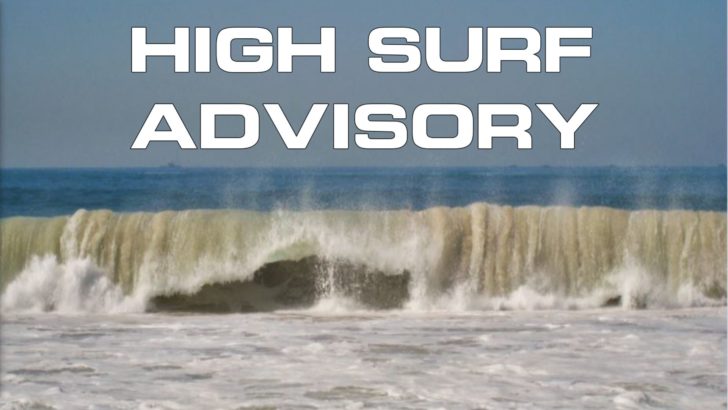
During this period, dangerous surfs of 2 to 3 meters or 6 to 10 feet will affect some coastlines in the advisory area, producing hazardous conditions.

The swells could cause life-threatening surfs and rip currents on affected coastlines. Seas will have significant wave heights of 1.5 to 2.4 meters (5 to 8 feet), occasionally or locally reaching near 3.0 meters (10 feet).
The swell period will be 10 to 13 seconds, and the swells will be northerly at 1.5 to 2.1 meters (5 to 7 feet) and occasionally higher.
Be aware that surfs could be as much as twice the height of swells, depending on the bathymetry of the nearshore areas.
There is also a potential for coastal flooding, including beach erosion, due to high tides combined with onshore wind and swell actions.
The high surf advisory has raised the threat level to the life, livelihood, property, and infrastructure of those using the affected coastlines.
Loss of life, injuries to beachgoers, beach erosion, and localised disruptions to marine recreation and businesses are potential impacts. Beachgoers, especially to the mainly affected coastlines, should be extremely cautious.
Bathe only where lifeguards are present or on the sheltered, less affected beaches, mainly to the south. Extreme caution is also required by those using the affected non-beach or rocky coastlines.
Please stay tuned to updates coming out of the Meteorological Office via antiguamet.com, twitter.com/abmetservice, facebook.com/abmetservice and youtube.com/@abmetservice and follow precautionary measures to stay safe during this period of hazardous marine conditions.



It means no running water because of the high seas swells. It will be awhile before the RO plants can pump water from the sea. That is why APUA needs to install more storage water tanks around the island for situation like this.