
Child protection demands that we constantly improve | Editorial

By Kieron Murdoch | Opinion Contributor
In every country, in every culture, in every society, children are among the most vulnerable when it comes to the risk of harm, abuse, neglect or exploitation. That is why most countries, Antigua and Barbuda included, have taken steps through laws and specialised agencies to protect the rights of children and provide for their safety. That being said, we must permit ourselves to periodically step back and assess where we might do better.
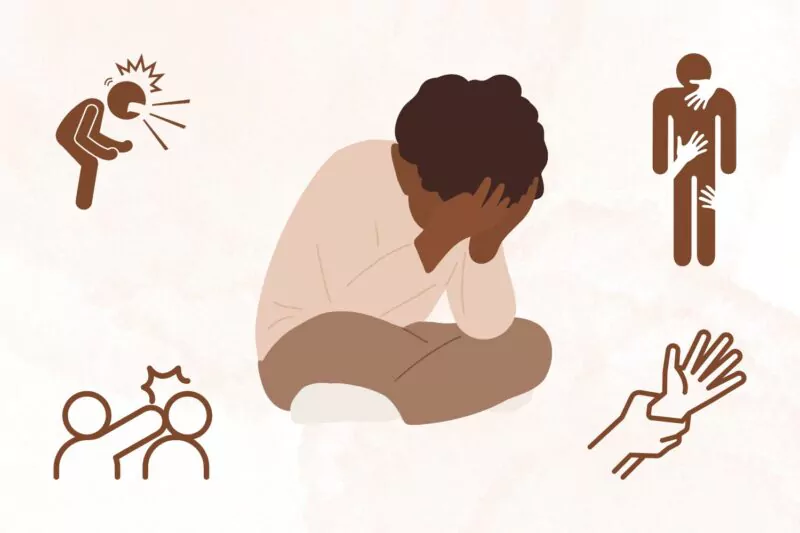
Child abuse or endangerment takes various forms. It may be physical abuse, sexual abuse, emotional abuse, or neglect in various forms. We have professionals who work tirelessly to improve the circumstances of children who fall victim to such harm. As we reflect on how we can do better for our youth, let us first ensure that we give these social workers the resources they need to be most effective at that which we have asked of them.
Too often, we pass laws but do not fully operationalise them. Yes, we have robust child protection laws. But unless we empower our Family and Social Services Division with the resources and support to execute its function fully under those laws, how can we expect the best outcome?
Second, we could do with a greater level of sensitisation of institutions in society as to ther duties to report abuse. We have the Child Act 2015 and other relevant legislation that spells out what is abuse and what categories of person and a special duty to notify authrotities when they suspect a child is experiencing harm. Good laws should be accompanied by robust and ongoing public awareness raising.
Under the 2015 Act mentioned above, anyone who “provides health care, welfare, education, child care services or law enforcement wholly or partly to children” and anyone who “holds a management position in such organisations” is required by law to report it to the Director of Social Services, and protection and confidentiality is provisioned for those making reports. This requirement must be known by all, whether it encompasses them or not.
In all societies, one of the biggest challenges to effective reporting of various forms of child abuse is the inclination of organisations and groups to first attempt to address allegations or reports of abuse in-house rather than referring them to a lawful authority. That is why it is so important that there be no wiggle room in our national understanding of our duty to report instances of children being harmed or in need of care.
Perhaps we ought to have an annual child protection seminar around November 18th, which is World Day for the Prevention of Child Abuse. The event could be aimed at raising awareness among various categories of persons of the various forms of child abuse and endangerment, what are the most pressing issues in Antigua and Barbuda, local examples of lapses in child protection, lessons learned, and what participants’ obligations are under the law.
Such categories of persons may include teachers, principals, police officers, doctors, nurses, coaches, sports administrators and leaders, faith leaders, young group leaders, after-class educators, national school bus drivers and various other groups. For practical purposes, organisers could aim to include each participant in at least one or two sessions and could focus each year on getting participants who were not able to attend the year prior. Reasonable participation targets could be set depending on how large any group may be.
Third, and most importantly, on the issue of sexual abuse and violence specifically, we need to commit to taking effective action against those who prey on minors for sex. While there are various steps necessary to do this, Antiguans and Barbudans individually and collectively need to come to terms with the fact that we have a culture of tolerance and indifference towards this type of exploitation of minors.
Many in the field of social work suggest that this problem is pervasive. It is reflected in the willingness of some adults to seek out underage persons for unlawful sexual relationships or to engage in behaviours that constitute sexual grooming, the comfort with which some adults casually direct sexual harassment or sexualised comments towards minors, the incidence of minors involved in prostitution or transactional sexual relationships, and similarly, the ease with which some parents or guardians allow, invite, and encourage minors to have unlawful sexual contact with adults, often in exchange for some benefit.
Fourth, and as regards situations where children’s homes are no longer deemed fit and safe for them due to whatever circumstance prevails with their parent or guardian, there is a need to better support our Social Services by improving the options for sheltering and fostering.
While we cannot claim to be entirely certain how well the need for such shelter or permanent fostering for children is being met in Antigua and Barbuda, the general state of our social service institutions that care for vulnerable groups, as well as the supporting infrastructure provided by NGOs and volunteers requires improvement across the board. This relates to the indigent, the homeless, the elderly, those with disabilities, survivors fleeing domestic violence, and children without adequate guardianship.
Sheltering and fostering children is a serious task that requires not only genuine and committed persons to be involved at every step, but that there be a highly robust system of checks to ensure that the places to which children are sent to escape abuse do not become scenes of abuse themselves. This is often the case in homes, and social care or foster systems in many places. But the fact remains, there are very many young people who, to be frank, are being raised by parents who are unfit even to rear cattle, much less children. But where are those children to go if a decision is taken to remove them?

As we consider the various ways in which we can reduce the risk of our young people experiencing harm of how best to intervene when they are, one issue we felt we had a duty to discuss is the that of the safety of children when they are on their own outside the home, which is our fifth point. Parents must be aware of their children’s whereabouts and must be satisfied that they are safe at all times, and children must be counselled to abide by the rules set out for their safety. Families and communities must reinforce these norms.
We should seek ways to further rehearse and reinforce certain dos and don’ts. These should naturally include who their children speak to, to whom they give information, what they do in emergencies, whose numbers they know by heart, and whom they are encouraged to trust. While it is the best practice for parents to rehearse these with the children at home, consideration might also be given to whether it would be advantageous for these to be reinforced in schools as well, provided that parents, through PTAs, are comfortable with what is taught.
Since March, many have been debating how safe it is for young children to go to and fro, whether on foot or via transport on their own, as many children often do. Given the recent case of Chantel Crump, the focus of many has especially been on the safety of youth as they go to and from school. In that respect, due consideration must be given by all stakeholders – the state, schools, PTA, NGOs – to actions that can effectively reduce the risk of harm.
On this particular issue, we acknowledge that the challenge is dynamic. Some have suggested that children ought to be bused to and fro as much as possible. It could mean placing a greater burden on the national school bus system. But the conversation must also include the issue of child safety concerning regular public transport run by private drivers.
In this country, few of us appear surprised when someone speaks of a bus driver harassing, soliciting, or otherwise engaging in harmful, suggestive and sexualised conduct towards minors. It seems to be a common anecdote that cuts across generational lines. Creating effective methods of encouraging reporting and then taking action against offenders, including banning such persons from providing transport to minors, would be a start.
Sometimes, simple measures can help. What about having a poster from our Family and Social Services Department that warns against the harassment of children on public transport, and advises passengers what actions to take to report such behaviour, being mandatorily placed on all public transport. It could also be posted at bus stations, at schools, and bus stops.
Sixth, and in the same vein, consideration must be given to how we address sexualised street harassment and its impact on minors, particularly girls. It is an unacceptable cultural and gendered norm that disproportionately impacts females, but happens from a very young age. And while we would like to believe that we are moving forward with the times and leaving the harmful social norms of the past behind, the reality is that we are not doing enough to call out such behaviour. It is still quite normal, and that is a problem.
Every child has the right to be protected from violence, abuse, and neglect. Too often, we allow ourselves the excuse of saying that we have limited resources as a developing country to throw at any given problem. That cannot be an excuse here. It is simply not good enough. Child protection demands that we acknowledge the failings in our system and our society, that we share responsibility to act, and that we constantly improve on our approaches to safeguarding children.
About the writer:
Kieron Murdoch is an opinion contributor at antigua.news. He worked as a journalist and later as a radio presenter in Antigua and Barbuda for eight years, covering politics and governance, especially. If you have an opinion on the issues raised in this editorial and you would like to submit a response by email to be considered for publication, please email [email protected].
This story was first published by Antigua News on : antigua.news/2025/04/24/child-protection-demands-that-we-constantly-improve-editorial. © 2025 Antigua News. Republication without permission is not allowed.

About the author
The Editorial Staff refers to all reporters employed by Antigua.news. When an article is not an original creation of Antigua.news—such as when it is based on a press release, other media articles, letters to the editor, or court decisions—one of our staff members is responsible for overseeing its publication.
Read our editorial standards and corrections policy. Spotted an error? Contact the newsroom.
More from Editorial
View section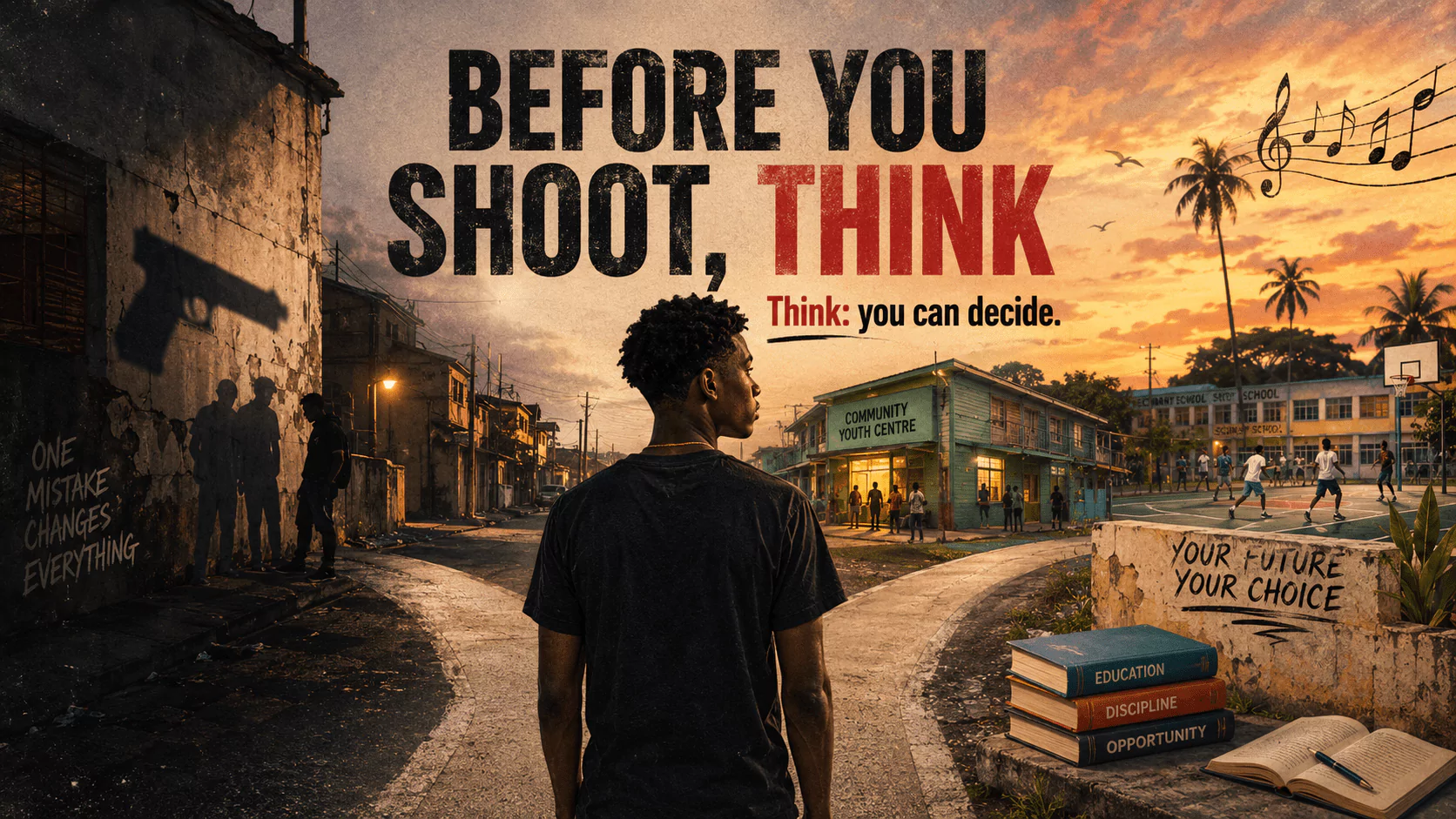
Before You Shoot, Think: An Open Letter to the Young People of Antigua and Barbuda
By Dario Item

From Captive Child to Russian General: Hannibal, the Unconquered Mind and the Unfinished Work of Emancipation
By Editorial Staff
LETTER: Our Children Need Extra Protection
By Editorial Staff
Water, Flour, And Smoke: Assertion Is Not Fact—And Propaganda Is Not Proof | EDITORIAL
By Editorial Staff
Comments (10)
Unruly One April 24, 2025, 8:45 AM
Paul April 24, 2025, 11:17 AM
Rhea April 24, 2025, 11:39 AM
Stone April 24, 2025, 1:34 PM
food4thought April 24, 2025, 11:40 AM
Juju Bee April 24, 2025, 6:35 PM
Hypocrisy? April 25, 2025, 3:12 AM
Original Thought April 25, 2025, 10:34 AM
Original Thought April 25, 2025, 10:52 AM
Cheese lord December 21, 2025, 10:40 PM