
Europe’s Currency Comeback: How the Euro Quietly Outpaced the Dollar

By Dario Item
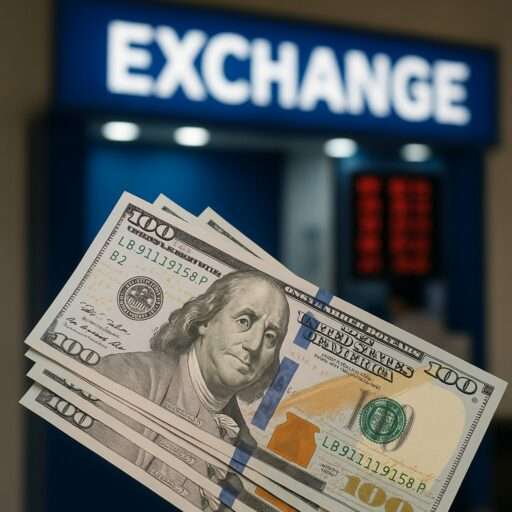
No fireworks. No breaking news. Just a slow climb, almost unnoticed—until it wasn’t.
The Euro, after spending years lagging behind its louder cousin, the U.S. dollar, is suddenly on the move again. As of Monday, it hit $1.18, a level most investors hadn’t seen since 2021. Not spectacular—but meaningful. Traders in Frankfurt and London barely blinked when it edged past $1.16 last week. But this? This caught attention. What’s going on?
The Dollar Isn’t Invincible Anymore
The shift didn’t start in Europe. Oddly enough, it started across the Atlantic.
The U.S. dollar, long treated like the world’s financial backbone, has had a rough few months. This year alone, it’s had its worst first-half since the early ’70s. Yes, worse than 2008. Worse than COVID. What’s weighing it down? Trade policies. Ballooning debt. An uncertain Federal Reserve. And, frankly, a lot of global nerves about where America is heading.
Talk of new tariffs ahead of the presidential election has investors hesitating. And when investors get nervous, their money moves—usually quietly, but decisively.
Europe, for Once, Isn’t in Crisis
Strangely, while the U.S. looks wobbly, Europe looks… boring. In a good way.
Inflation across the eurozone has finally calmed. The European Central Bank isn’t panicking. Officials there have made it clear: no emergency cuts, no sudden moves. Just wait and see.
And the markets? They love that. Stability, in 2025, is worth a lot.
One ECB policymaker, Martins Kazaks, even said a stronger Euro isn’t a problem. That’s a big departure from the usual hand-wringing over exports.
Follow the Money
Now, big players—hedge funds, banks, sovereign wealth funds—are adjusting. Some are quietly moving cash out of U.S. treasuries and into eurozone assets. No dramatic announcements. Just reallocations, piece by piece.
Analysts say that if the Euro holds above $1.17 for long, $1.20 could come fast. Not because Europe is booming, but because the dollar is losing its grip.
As one trader in Zurich put it: “The Euro isn’t flying—it’s just the dollar that’s sinking.”
So, What Happens Next?
This isn’t a revolution. It’s a rebalancing.
The Fed could step in, of course. They might cut rates or calm markets with a few choice words. Or they might do nothing—and let the dollar slide a bit more.
Meanwhile, Europe has no reason to panic. A stronger currency makes imports cheaper. It keeps inflation tame. And for once, exporters aren’t yelling about exchange rates.
It’s not flashy. But it works.
Final Thought
In a noisy world full of market jolts and political drama, the Euro’s quiet comeback is easy to overlook.
But for the people watching closely—traders, economists, the ones shifting billions in capital—it speaks volumes.
The Euro doesn’t need to shout anymore. It just needs to hold steady.
Ambassador Dario Item


About the author
Dr. Dario Item is the Head of Mission of the Embassy of Antigua and Barbuda in Madrid. He is an experienced financial crimes lawyer with nearly 30 years of practice. He holds degrees in law and political science, a Ph.D. in criminal law and an LL.M. in transnational financial crime.
Read our editorial standards and corrections policy. Spotted an error? Contact the newsroom.
More from Business and Finance
View section
How much is Hormuz really adding to Caribbean fuel prices?
The disruption is raising the cost of gasoline and diesel far beyond the Gulf. But refinery shortages, shipping costs and changes to subsidies must be separated to establish what motorists are paying for.
By Dario Item

From Potters to Dallas: Antiguan and Barbudan Ryancia Henry Rises to Top Luxury Hotel Management Role
By Shermain Bique-Charles
Twenty-Three Days to Close a EUR2bn Case Built on Hundreds of Pages: The Novo Banco Judgment That Should Shock Europe’s Bond Market
By Dario Item

PM Browne Denies Superyacht Kickback Allegations, Threatens Legal Action Against Offshore Alert Publisher David Marchant
By Editorial Staff
Comments
Be the first to comment.