
Europe After 1945: Losing the War, Losing Herself

By Dario Item
Europe After 1945: Losing the War, Losing Herself Dario Item
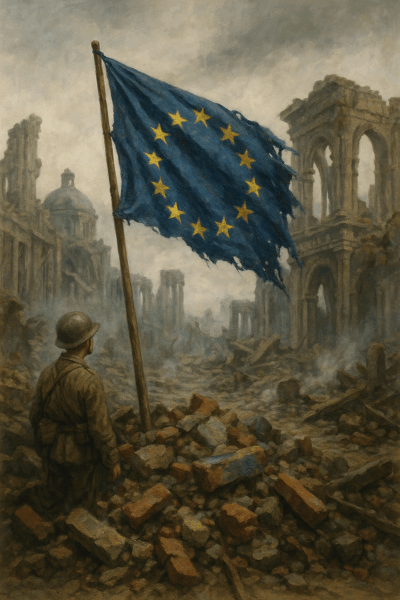
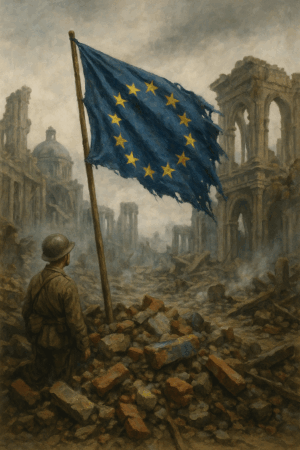
There are wars you can win and still come out looking diminished. That’s what happened to Europe after 1945.
Yes, the continent rid itself of its worst dictators. Cities began to rise again. Trains ran. Schools reopened. But something else—harder to see, even harder to restore—had slipped away: dignity.
Ask any serious historian and they’ll tell you that postwar Europe wasn’t just physically exhausted. It was morally spent. Tony Judt, not one to mince words, said it best: “Europe committed suicide.” People forget, but the great democracies of the 1930s had already collapsed before Hitler marched. France fell. Spain burned. Austria folded. And when the war finally ended, the myth-making began—fast and frantic. Resistance heroes were celebrated. Collaboration swept under the rug.
At the same time, Europe’s future wasn’t being decided in Paris or Berlin. It was being carved up at Yalta, by Roosevelt, Churchill, and Stalin. A superpower from the West. Another from the East. Europe was in the middle—stripped of voice, pulled apart like something people used to care about but no longer needed to listen to.
Of course, there were trials. Some justice. But not enough. In France, thousands were executed without due process. In Italy, partisans settled scores with Fascists in back alleys and fields. Some of it was vengeance. Some of it was justice. Often, it was both. Claudio Pavone famously called it a “civil war.” And in Germany, beyond the spectacle of Nuremberg, many former Nazis quietly found new jobs in postwar institutions.
Meanwhile, colonial empires were disintegrating. India. Algeria. Indochina. The Congo. And Europe? It wasn’t leading anymore. It was scrambling to look relevant.
Worse, the continent couldn’t pull itself together. The British clung to their “special relationship.” Eastern nations looked to Moscow, not Brussels. Others, like Hungary and Poland, became European in treaty only—preferring national vetoes to collective solutions. When Syrian refugees reached the gates in 2015, Europe flinched. Walls went up. Talk of quotas vanished.
Leadership? There was some. But not the kind that brings people together around a shared idea. Schuman, De Gasperi, and Monnet built frameworks. Kohl got Germany back together and pushed for the euro. Merkel weathered storms. But no one made you feel—deep down—that Europe meant something bigger than regulation and treaties. No Kennedy. No Mandela. Just technocrats, mostly. Efficient, but uninspiring.
And yet… something held.
The EU survived. Rights courts were created. Borders, mostly, stayed open. There was an effort—not perfect, not complete—to make memory part of law, to make war unthinkable. Heinrich Winkler once wrote that Europe’s dignity wasn’t restored by American bombs, but “earned painfully, through democratic struggle and reflection.”
Today, that dignity still feels fragile. The world has changed. America is retreating. China is rising. Wars are close again. But Europe? Europe still has history and resilience and sometimes, history and resilience are a better compass than power.
Ambassador Dario Item
#Dario Item#

#Dario Item#
This story was first published by Antigua News on July 3, 2025: antigua.news/2025/07/03/post-war-europe-identity-crisis-dario-item. © 2025 Antigua News. Republication without permission is not allowed.
About the author
Dr. Dario Item is the Head of Mission of the Embassy of Antigua and Barbuda in Madrid. He is an experienced financial crimes lawyer with nearly 30 years of practice. He holds degrees in law and political science, a Ph.D. in criminal law and an LL.M. in transnational financial crime.
Read our editorial standards and corrections policy. Spotted an error? Contact the newsroom.
More from Culture, Science and Tech
View section
VIDEO: As School Reopens, Simon Bolivar Pre-School’s Garden serves as a Model for teaching Agriculture in Early Childhood
By Editorial Staff
CUB Hells Gate Crowned 2026 Panorama Champions After Electrifying Carnival Showdown
By Cory Wayland
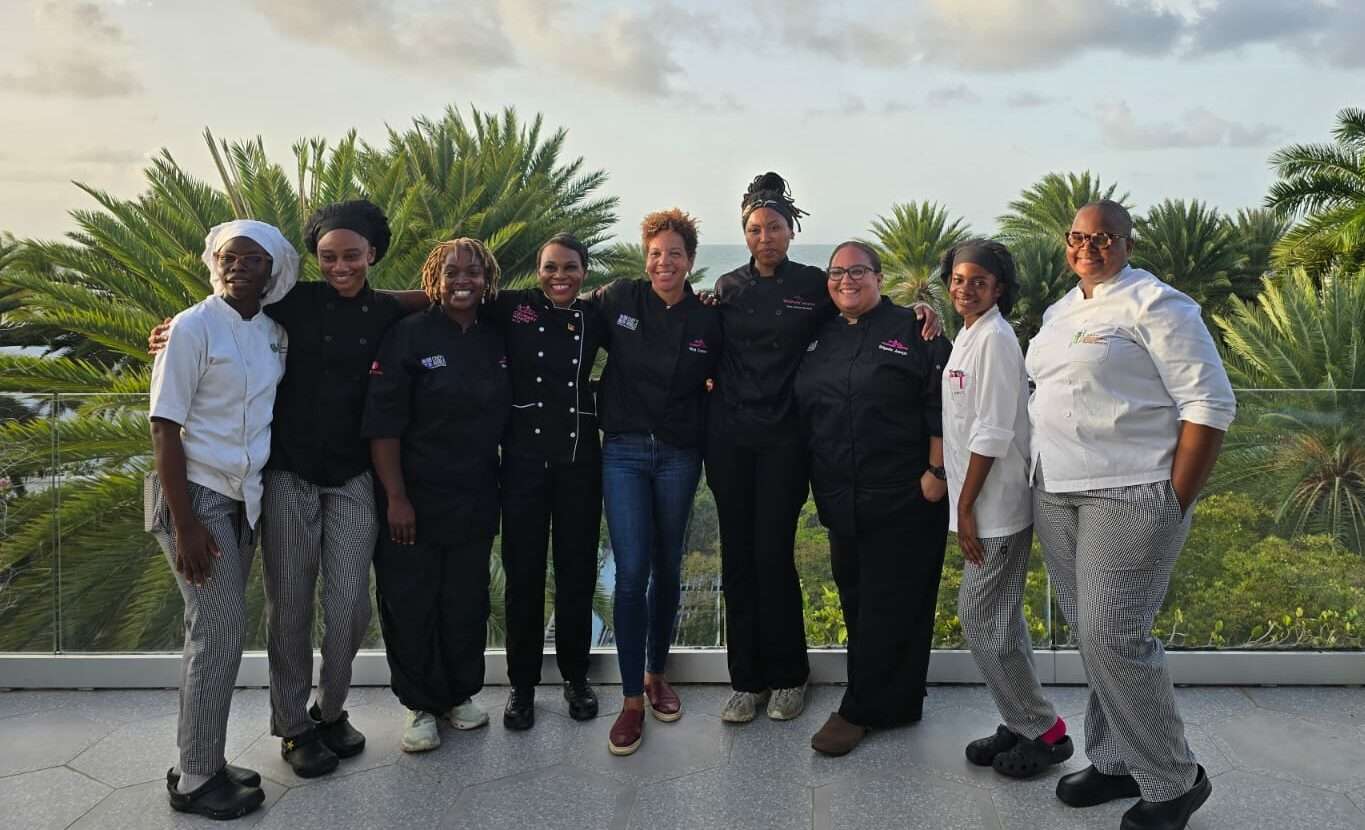
Five Female Chefs Wow Diners With Multi-Course Dinner at Hodges Bay Resort
By Shermain Bique-Charles
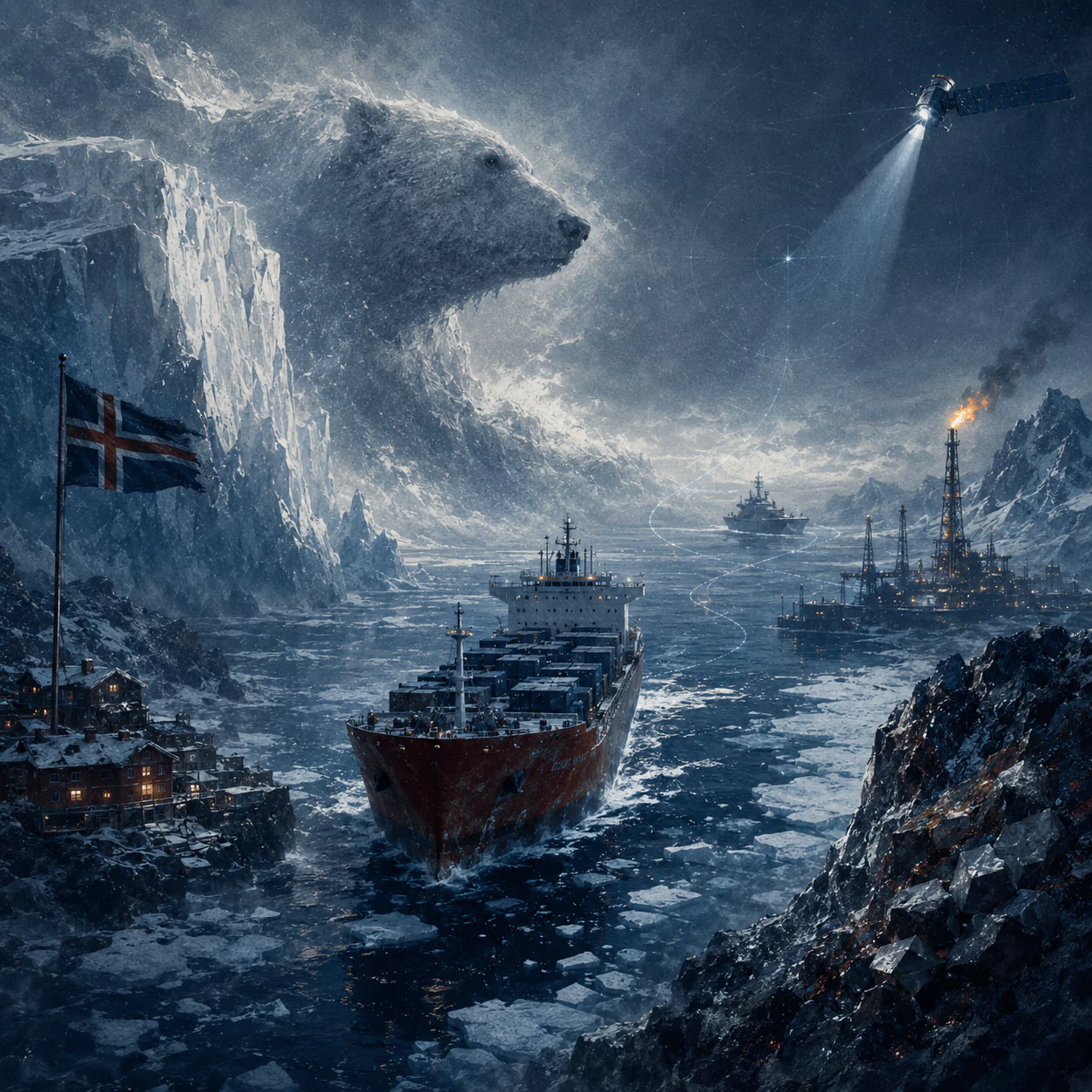
North Europe and the Arctic 2026: The Race for Power, Resources and New Trade Routes
By Dario Item
Comments
Be the first to comment.