


















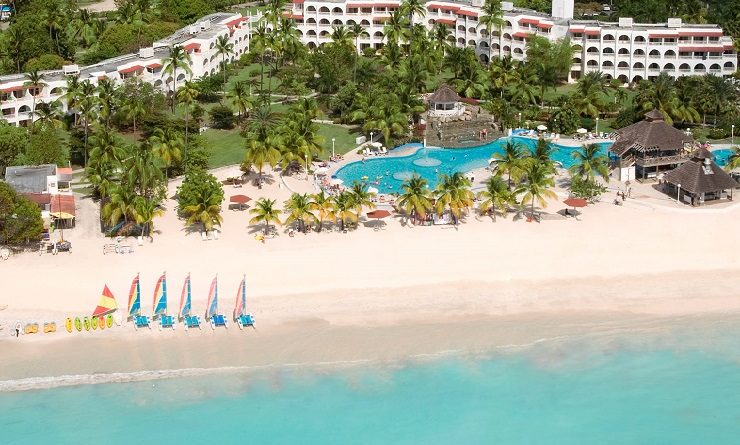
The Jolly Beach Resort is emerging as a central focus in government discussions over the future of Antigua and Barbuda’s tourism product, with lawmakers weighing the potential transfer of its operations to the Social Security Scheme.
So says Tourism Minister Charles “Max” Fernandez, who was speaking in Parliament on Monday and argued that the property is far more than just another beachfront hotel.
He described it as one of the few options in the country catering specifically to families and middle-income travelers, a segment he said plays a decisive role in filling airlines and sustaining visitor arrivals.
“While we celebrate the high-end traveler, we must not underestimate the importance of affordable hotels,” Fernandez said. “It is these guests who fill economy seats and fuel demand for additional flights. Jolly Beach has kept that balance alive.”
The minister recalled that during a recent visit to the resort, a repeat visitor personally pleaded with Prime Minister Gaston Browne to keep Jolly Beach operational, calling it the only viable option for travelers like herself who fall between luxury and budget extremes.

Figures presented in Parliament underscored the resort’s weight in the sector. In 2023, Jolly Beach welcomed nearly a quarter of all visitors to Antigua and Barbuda. The following year, it generated revenues of US$21.84 million with an operating surplus exceeding US$4 million. By May of this year, the property had already earned US$13.31 million — a 6 percent increase year-on-year — with full-year earnings forecasted at US$23 million. Around 200 workers are employed at the resort.
Set on more than 27 acres, Jolly Beach stretches across 1,650 feet of white sand and offers nearly 400 rooms, several restaurants, a gym, gift shop, and two pools currently under renovation. Occupancy presently stands at 62 percent, but officials expect upgrades later this year to push those numbers higher, especially in the summer period when demand for family-friendly accommodations spikes.
Beyond tourists, Jolly Beach has also become a local favorite for day passes. Participation has grown steadily from 1,383 nationals in 2023 to 2,396 in 2024, with 1,726 recorded in the first six months of 2025.
For Fernandez, those numbers, coupled with Jolly Beach’s mid-market appeal, make the property indispensable to Antigua and Barbuda’s tourism landscape as officials debate its future ownership.



Upgrades and renovations sound promising. Hopefully occupancy rates will increase and boost the local economy.
Keeping Jolly Beach operational is smart. Middle-income travelers keep flights full and help other businesses too.
Minister fret not yourself it will all work out. I have confidence that the hotel will perform above its expectations
That same amount of energy was placed into the sale of the Alfa Nero and see where we end up. I hope this Jolly Beach issue is not going to fail the same way
True, but success depends on how well it’s managed. Tourism is competitive, and Jolly Beach must stay world-class to maintain its impact.