



















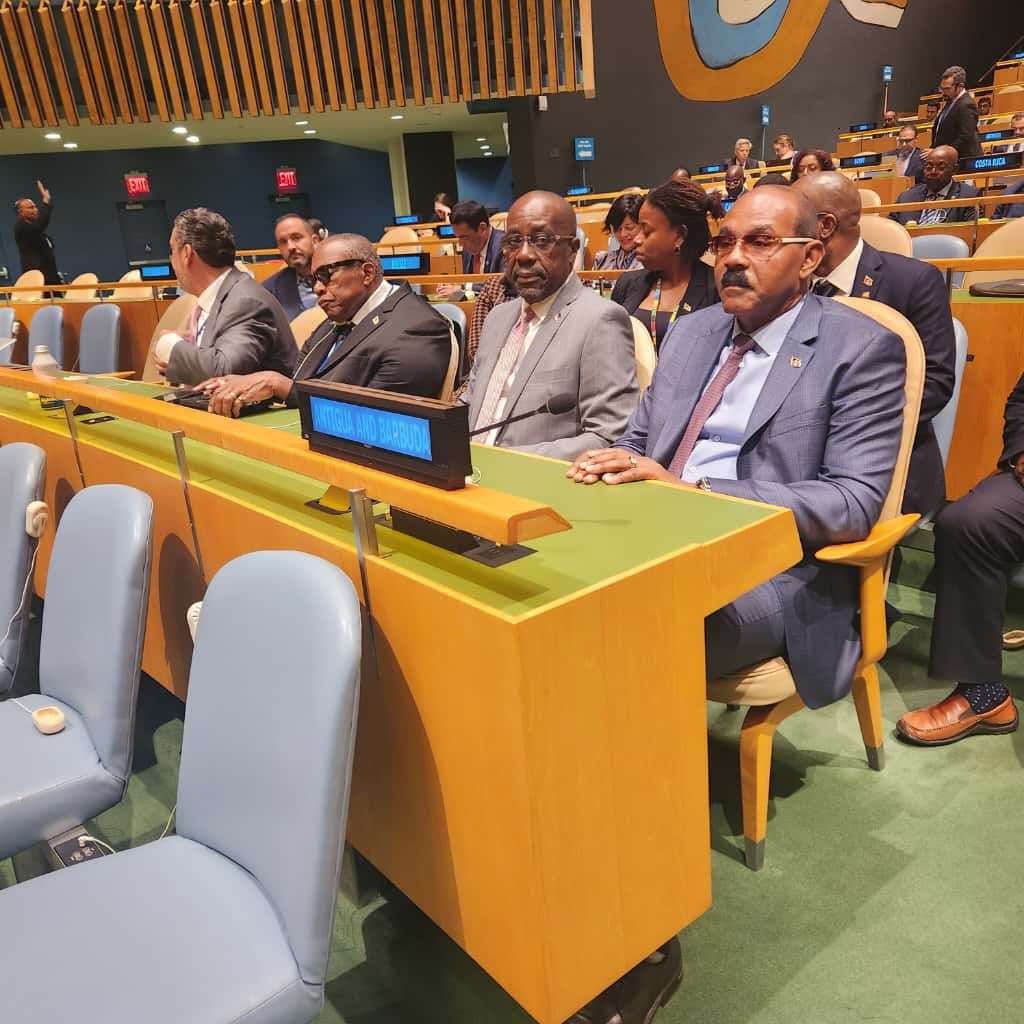
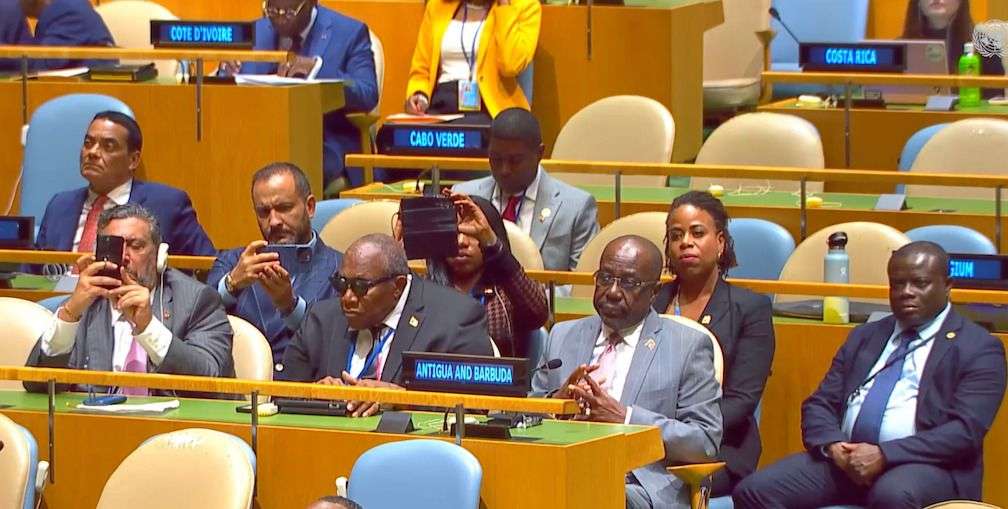
Every year the world looks to the United Nations General Assembly, with quiet hope, as world leaders assemble. The anticipation is to hear a common message that transcends borders and a vision that addresses our shared fragility.
This stage is reserved for a particular kind of discourse; one that acknowledges the gravity of the moment and the collective yearning for stability. This year was disappointingly different as the postulation from a major power served as a stark reminder of what happens when that expectation is unmet.
The presentation, while significant, was marked by a profound absence, leaving in its wake a critique not of a nation, but of an approach that fails the demands of our time.
The first casualty was decorum, which is the essential currency of diplomatic engagement. This is not merely about protocol but about a fundamental respect for the institution and the diverse nations it represents.
The speech in question departed from the measured tone that such a forum requires. Its cadence, leaning toward the transactional and the boastful, seemed ill-suited to a body founded on the principle of multilateralism.
When the language of domestic partisan triumph is imported into the hall of global partnership, it diminishes the very idea of common cause and mutual respect.

More critically, the address overlooked its most vital function, that of offering a narrative of hope and cohesion to a deeply divided world. At a time when humanity faces convergent crises, from climate catastrophe to widespread displacement and escalating geopolitical strife, the international audience listens for a commitment to collaborative action. It seeks a recognition that our security and prosperity are inextricably linked.
Instead, the philosophy articulated was one of narrow self-interest, portraying the world as a stage for rivalry rather than a shared project. Complex global challenges were presented not as puzzles to be solved together but as contests to be won alone.
This perspective provides no solace to the vulnerable, no framework for managing existential threats and no bridge across the chasms of misunderstanding. It is an approach which, when championed from a prominent platform, risks encouraging a retreat into isolationism precisely when complex interdependence demands more sophisticated engagement.

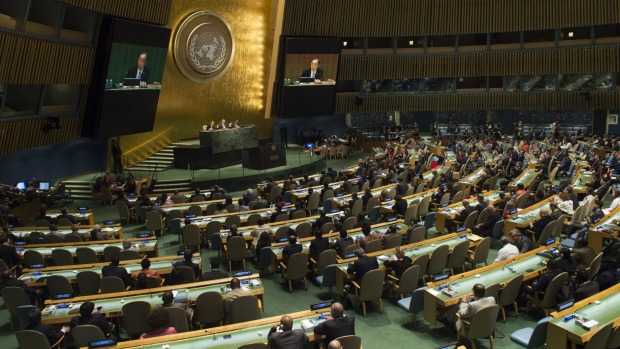



The line about decorum being the ‘currency of diplomacy’ is spot on. Respect for the institution matters.
This is why people lose faith in multilateralism because the loudest voices treat it like a contest instead of a conversation.
Ok
Follow-through after the UNGA is key hope the government continues to translate discussions into actionable policies.