
Antigua and Barbuda Moves Toward Ban on Harmful Sunscreen Chemicals to Protect Coral Reefs

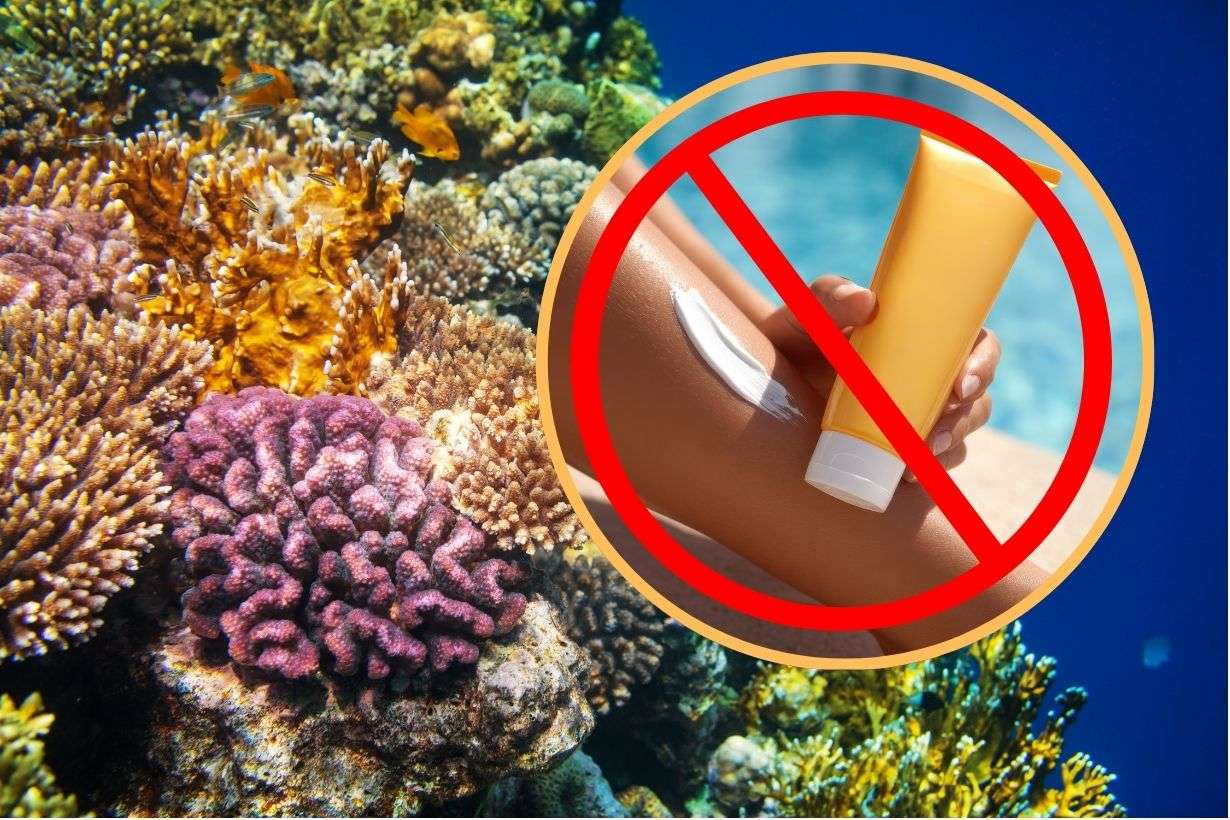
Antigua and Barbuda is taking decisive steps toward protecting its fragile marine ecosystem by considering a ban on certain harmful sunscreen chemicals known to damage coral reefs and marine life.
The Ministry of Trade has launched a series of stakeholder consultations aimed at developing a WTO-compliant and CARICOM-aligned policy that would prohibit the importation, manufacture, sale, and distribution of sunscreens containing specific reef-toxic ingredients.
Among the chemicals under review are Oxybenzone, Octinoxate, Avobenzone, Homosalate, Octocrylene, and Octisalate—all of which have been linked to coral bleaching, endocrine disruption in marine species, and other ecological harms.
Senior Trade Policy Analyst Jomica Carbon explained that the initiative seeks to balance environmental protection with public health and trade considerations.
“This initiative is driven by the urgent need to protect Antigua and Barbuda’s coral reef ecosystems, which are vital to our tourism-dependent economy,” Carbon stated. “It also addresses growing health concerns associated with these chemicals. Our approach draws from international best practices, particularly the successful ban implemented by Palau, which has significantly reduced reef damage.”
Permanent Secretary in the Ministry of Trade, Ambassador Dr. Clarence Pilgrim, welcomed the members of the national task force and emphasized that the consultations aim to assess the trade, consumer, environmental, and health implications of sunscreen products before drafting a final policy.
“We understand that sunscreen is essential for protecting human skin from ultraviolet radiation and reducing the risk of skin cancer,” Dr. Pilgrim said. “However, the same compounds designed to safeguard people are now being shown to harm corals, algae, and marine life. We must find a responsible balance.”
Citing recent scientific studies, Dr. Pilgrim noted that organic UV filters used in many sunscreens can bioaccumulate in marine organisms, causing coral bleaching and toxic effects across the food chain.
He stressed that the issue is particularly urgent for Antigua and Barbuda, where the economy, culture, and environment are deeply tied to the ocean.
“As a Small Island Developing State, our survival depends on healthy reefs,” he said. “The Cabinet has recognized the urgency of this issue and called for decisive policy action. Antigua and Barbuda now has a chance to lead the region in setting environmentally responsible standards.”
The Ministry’s proposed timeline outlines an active consultation period from October 2025 to January 2026, followed by the circulation of a draft policy for review between February and March 2026. The final version is expected to be submitted to Cabinet in April 2026, with implementation targeted for mid-2026, pending Cabinet approval.
If approved, Antigua and Barbuda would join a growing list of countries such as Palau, Thailand, and Hawaii, that have enacted bans on reef-harming sunscreen chemicals.
The move would also align with the country’s commitments under CARICOM and the OECS, and reinforce its standing as a global advocate for sustainable tourism and marine conservation.
This story was first published by Antigua News on : antigua.news/2025/10/09/antigua-and-barbuda-moves-toward-ban-on-harmful-sunscreen-chemicals-to-protect-coral-reefs. © 2025 Antigua News. Republication without permission is not allowed.

About the author
Shermain Bique-Charles is an accomplished journalist with over 24 years of dynamic experience in the industry. Renowned for her exceptional storytelling and investigative skills, she has garnered numerous awards that highlight her commitment to journalistic integrity and excellence. Her work not only informs but also inspires, making her a respected voice in the field.
Read our editorial standards and corrections policy. Spotted an error? Contact the newsroom.
More from Antigua and Barbuda
View section
Local Musicians and Cultural Performers Could Feature in Tomlinson Film
Cabinet welcomes opportunities for steelpan, Carnival traditions and local production talent in the proposed international project.
By Shermain Bique-Charles

Tomlinson Tourism Pitch Projects £3.7 Million in Additional Visitor Spending
Organisers outline a year-long campaign, but Cabinet notes that estimated returns are not guaranteed.
By Shermain Bique-Charles

Cabinet Approves Five-Year National Health Strategy
The 2026–2031 plan sets out 11 strategic directions to guide healthcare development and delivery.
By Shermain Bique-Charles

Browne Demands Stronger Inspections and Accountability on Capital Works
Cabinet calls for daily monitoring of outstanding problems as agencies face a tightening CHOGM timetable.
By Shermain Bique-Charles
Comments (11)
Jim October 9, 2025, 7:58 AM
Apex Jones October 9, 2025, 11:10 AM
Tromos October 9, 2025, 11:32 AM
Ryan October 9, 2025, 3:00 PM
Jack October 9, 2025, 3:49 PM
Hadassah October 10, 2025, 7:00 AM
Ben Simmons October 9, 2025, 6:10 PM
Informed citizen October 9, 2025, 7:42 PM
Lena October 9, 2025, 10:44 PM
Jasmine October 10, 2025, 6:59 AM
Anonymous October 10, 2025, 4:09 PM