
UNDP Briefs Stakeholders on US$12.5M Early Warning for All Project

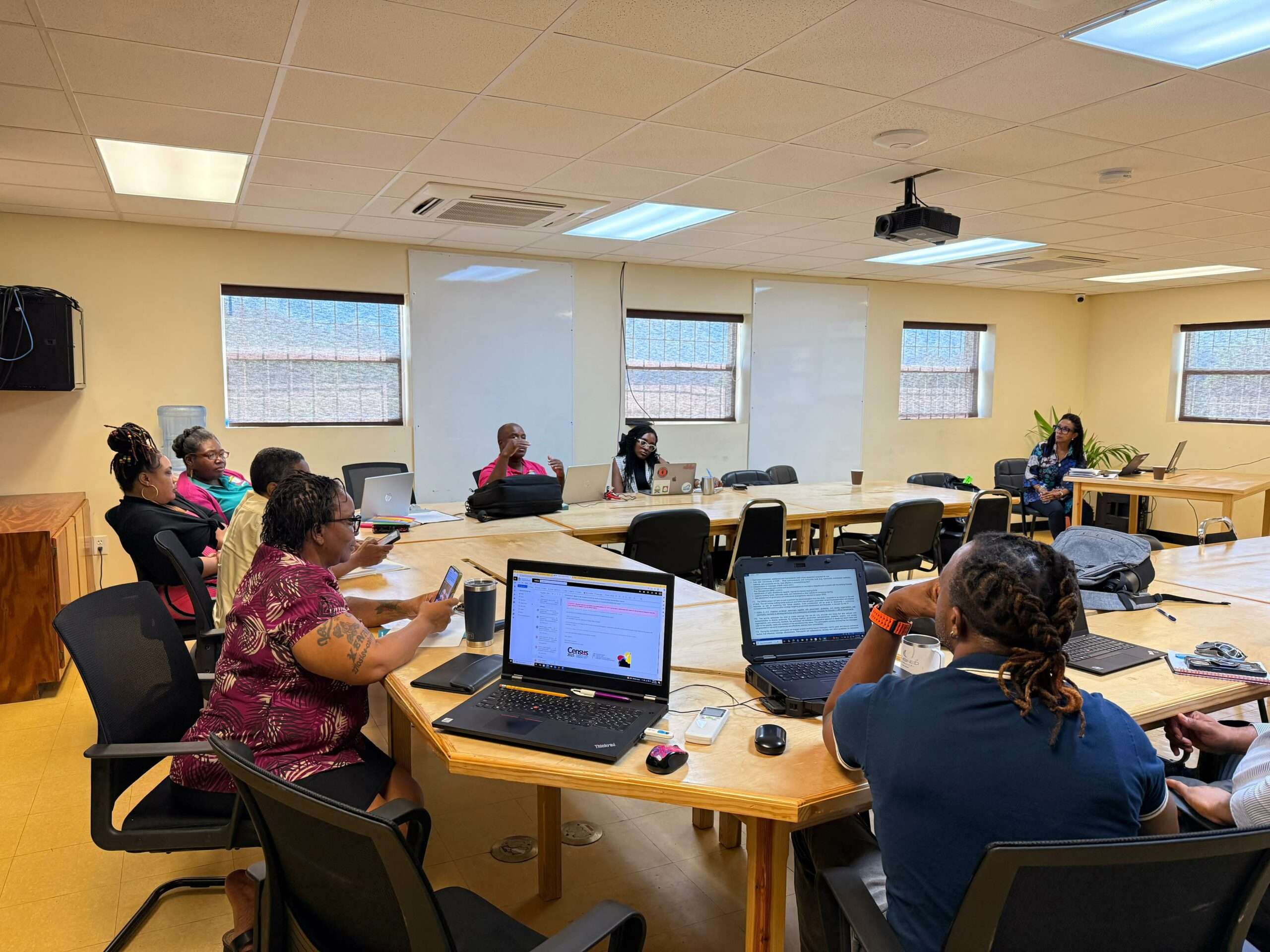
National stakeholders have begun preparations for the rollout of the US$12.5 million Early Warning for All (EW4ALL) Project, following a detailed briefing last week led by the United Nations Development Programme (UNDP). The initiative, funded by the Green Climate Fund, aims to strengthen Antigua and Barbuda’s capacity to anticipate, communicate, and respond to climate and weather-related threats.
The project is designed to put in place a comprehensive early warning system that ensures communities are better informed, better prepared, and better protected. According to Elizabeth Charles-Soomer, Cluster Lead for Prevention, Resilience and Recovery at the UNDP Multi-Country Office for Barbados and the Eastern Caribbean, the effort reflects a global understanding that advanced forecasting, scientific hazard monitoring, and strong preparedness measures can significantly reduce loss of life, damage to property, and broader economic disruption.
Charles-Soomer explained that the project focuses heavily on governance, risk coordination, scientific observation, monitoring, communication, and improved response capacity. The initiative is being carried out in collaboration with several major international partners, including the United Nations Office for Disaster Risk Reduction, the International Federation of Red Cross, the International Telecommunications Union, and the World Meteorological Organization. She stressed that effective communication, especially messaging that reaches vulnerable and disabled populations, is a key priority of the programme.
Antigua and Barbuda is among only seven countries worldwide selected to benefit from the EW4ALL project. Locally, the Antigua and Barbuda Meteorological Services (ABMS) and the National Office of Disaster Services (NODS) serve as the main beneficiary agencies. However, the project requires broad participation across government, with the Development Control Authority, sector ministries, Legal Affairs, telecommunications providers, civil society organisations, and private sector partners all identified as essential stakeholders. The Ministry of Finance and the Department of Environment also hold major roles in the process.
Charles-Soomer highlighted the national and regional importance of ABMS and NODS. ABMS plays a crucial role in providing reliable observation and forecasting services for aviation, marine operations, and public safety across multiple islands, while NODS leads Antigua and Barbuda’s disaster coordination and serves as the focal point for the Northeastern CDEMA Disaster Response Cell. She noted that UNDP is working closely with both agencies to ensure their structures and capacity can support the project’s demands.
In anticipation of the project’s launch, NODS has submitted a proposal, now awaiting government approval, to establish a dedicated Disaster Risk Reduction Cell staffed with experienced personnel within the Ministry of Finance’s Disaster Risk Unit. Charles-Soomer expressed hope that the initiative will receive the necessary support.
The project also includes several legislative and institutional reforms, including the review of the Disaster Management Act, the Met Services Bill, planning regulations, sector disaster risk reduction plans, and a detailed hazard assessment for Barbuda. The initiative also calls for the establishment of a Disaster Preparedness and Emergency Fund, as well as a full institutional review and capacity-building programme for the Meteorological Office.
Once funding is released, the project will officially commence with an inception meeting scheduled for February 2026. The meeting is expected to bring together donors, UN agencies, and national stakeholders, marking the formal start of a transformative national effort to strengthen early warning systems and climate resilience across Antigua and Barbuda.
This story was first published by Antigua News on : antigua.news/2025/11/19/undp-briefs-stakeholders-on-us12-5m-early-warning-for-all-project. © 2025 Antigua News. Republication without permission is not allowed.

About the author
The Editorial Staff refers to all reporters employed by Antigua.news. When an article is not an original creation of Antigua.news—such as when it is based on a press release, other media articles, letters to the editor, or court decisions—one of our staff members is responsible for overseeing its publication.
Read our editorial standards and corrections policy. Spotted an error? Contact the newsroom.
More from Antigua and Barbuda
View section
Antigua and Barbuda First in Eastern Caribbean to Sign UN Development Framework for 2027–2031
The agreement will guide cooperation on economic diversification, climate resilience, social protection and other development priorities.
By Shermain Bique-Charles

Parker Defends Call for Age of Consent at 18 in Response to ASPIRE
Senator calls for stronger protection against sexual exploitation alongside adolescent healthcare, education and safeguards for relationships between young people close in age.
By Shermain Bique-Charles

Greene Says CHOGM Could Open Doors for UWI Five Islands
Foreign minister identifies international student recruitment and academic connections as potential longer-term opportunities. Meta description: Greene says CHOGM could help UWI Five Islands promote its programmes and build connections with Commonwealth countries.
By Shermain Bique-Charles

West Indies Oil Seeks Coordination on Fuel Deliveries During CHOGM
Police ask the company to provide delivery dates and times so movements can be coordinated with security arrangements.
By Cory Wayland
Comments (2)
Apex Jones November 19, 2025, 10:56 AM
Informed citizen November 19, 2025, 6:10 PM