












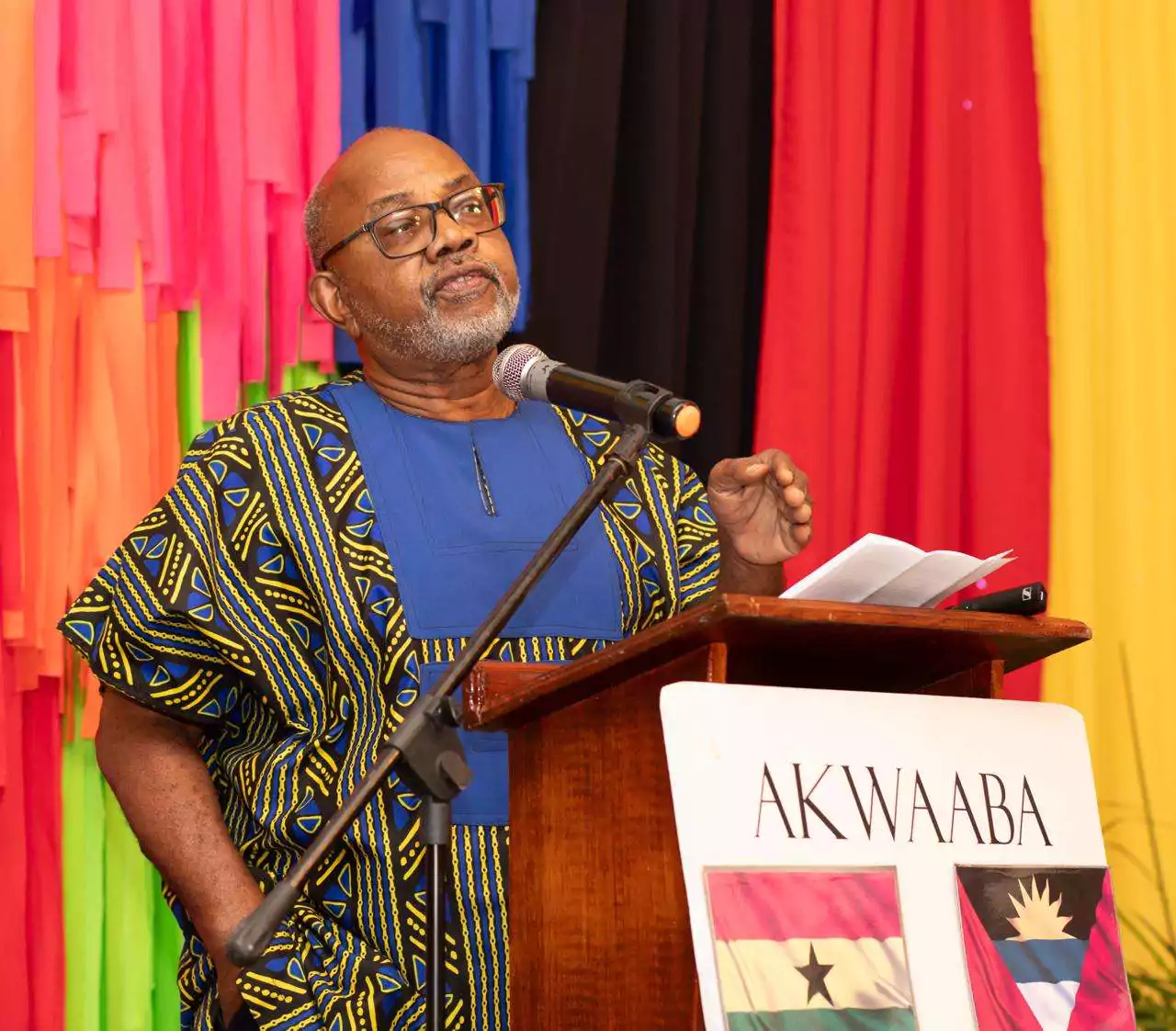
Dorbrene O’Marde, Antigua and Barbuda Reparation Support Commission’s chairman
Antigua and Barbuda and the West African nation of Ghana continue to play prominent roles in the international push for reparative justice, according to the Antigua and Barbuda Reparation Support Commission (ABRSC).
The Commission’s chairman, Dorbrene O’Marde, made the point during Saturday night’s official welcome ceremony for Ghanaian health professionals who have arrived to serve within Antigua and Barbuda’s healthcare system.
Ambassador O’Marde told attendees that deep historical ties bind the two countries, noting that many Antiguans and Barbudans can trace their roots to the Akan and other ethnic groups of present-day Ghana. He recalled that Antigua and Barbuda’s first named National Hero—Kwaku Tayki—was an Akan leader later known as Prince Klaas by his enslaver and remembered locally as King Court. King Court led the 1736 uprising of enslaved Africans, widely regarded as one of the earliest and most organized acts of resistance against British colonial rule in the Caribbean.
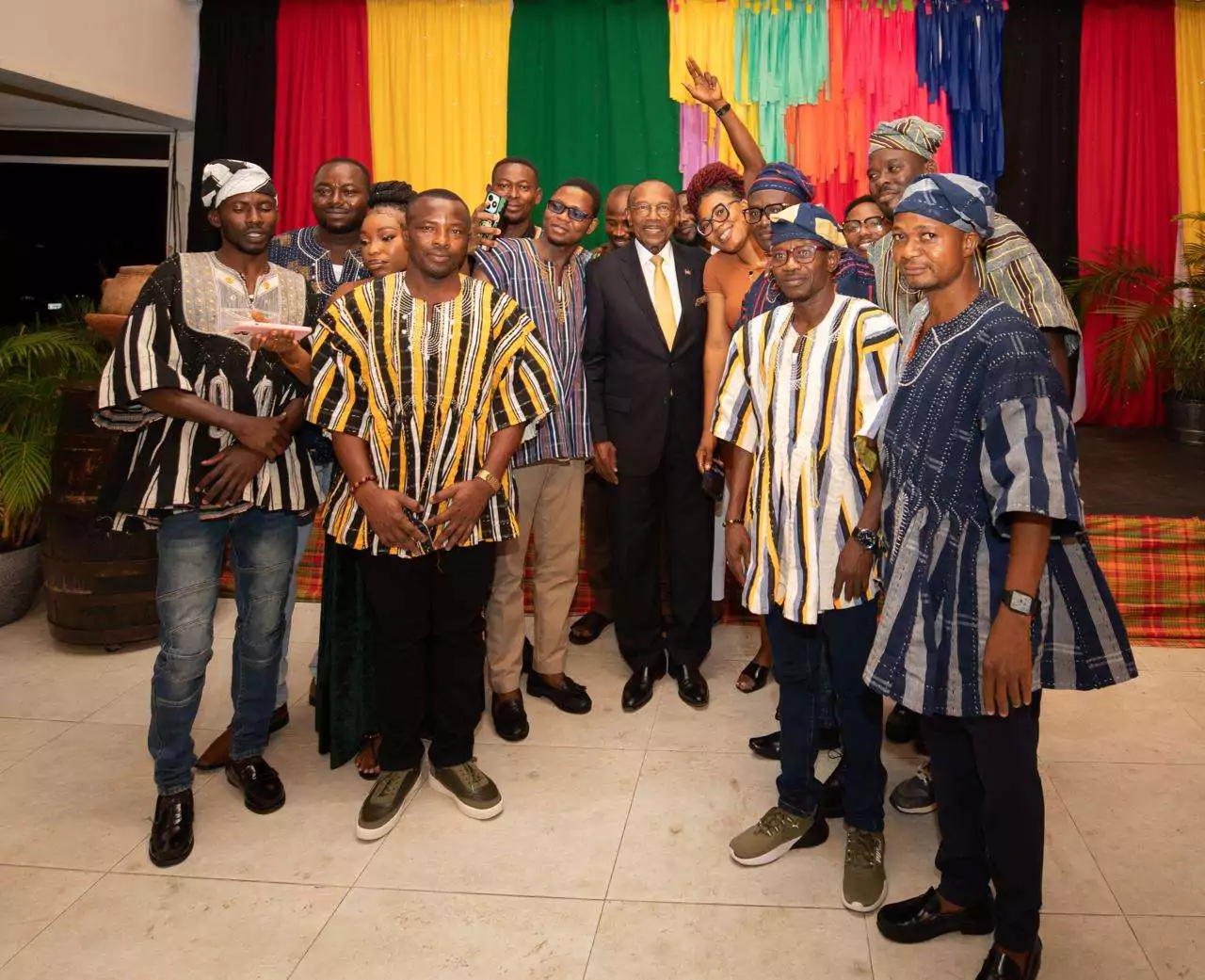
Sir Molwyn and other health officials at welcome ceremony in honor of newly arrived Ghanaian Medical Professionals
He further explained that, over the past decade, the ABRSC and the Caribbean Reparations Commission have intensified advocacy for reparations, arguing that the trans-Atlantic slave trade and colonial exploitation constitute crimes against humanity whose legacies continue to drive anti-Black racism and impede development across Africa and the global African diaspora.

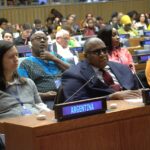
Positioning the Caribbean within a broader international effort, O’Marde described Ghana as a leading African voice in the reparations movement. He cited the country’s hosting of the 2023 Accra Reparations Conference, which brought together global stakeholders under the theme of building a unified front to advance justice and secure reparations for Africans and their descendants.
He also pointed to Ghana’s most recent initiative—inviting an international panel of experts to assist in drafting a declaration to the United Nations seeking formal recognition of the trans-Atlantic slave trade as a crime against humanity.
The ABRSC chairman said the arrival of Ghanaian professionals underscores a growing people-to-people bond between the two nations, one that reflects shared history while strengthening cooperation in the present.


Hopefully we can learn a lot from them. It would be great if they could engage in some programme to educate us on their culture
Pride and responsibility go hand in hand here. Our voices matter internationally