
Court Rules Pandemic-Era Remand Practice Unconstitutional, Awards Prisoner $10,000

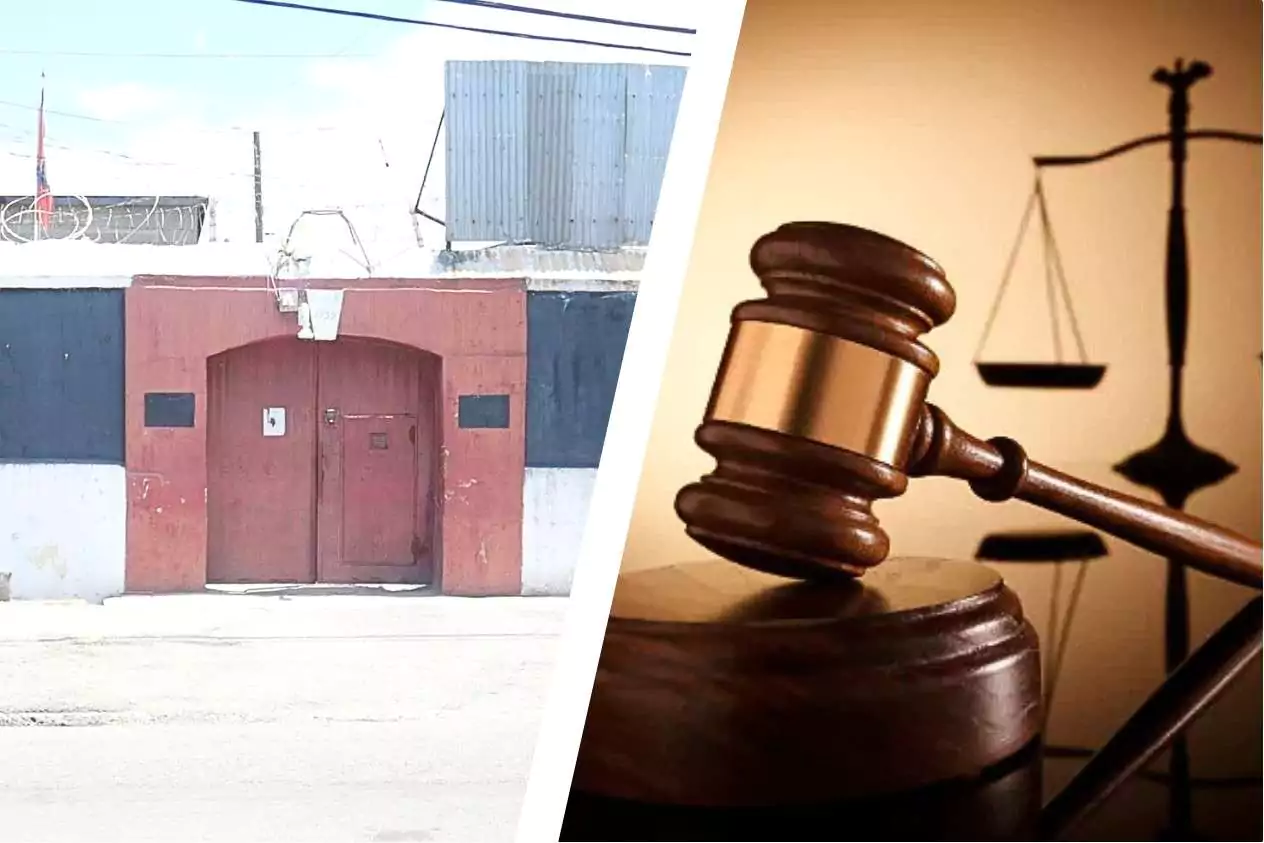
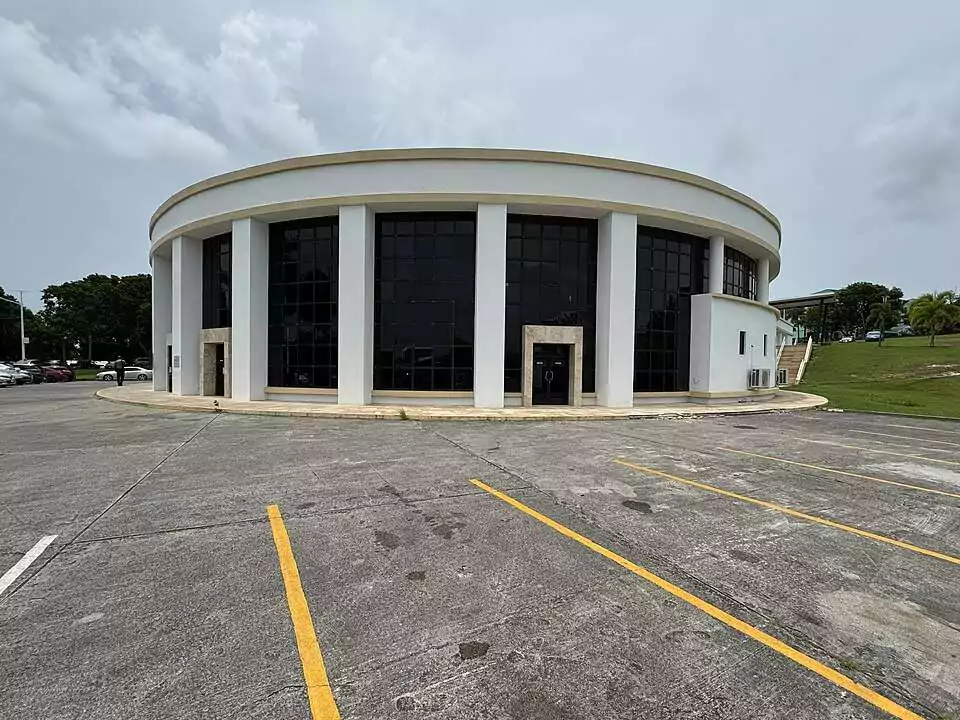
The High Court has ruled that the State unlawfully detained a prisoner for nearly seven weeks after authorities continued a pandemic-era practice of Magistrates signing remand warrants without physically seeing the detainee, in breach of the Magistrates Code of Procedure Act and the Constitution.
Wayne Worrell, an inmate of His Majesty’s Prison, was arrested on August 1, 2024, and charged the following day with an undefined “serious offence”.
He appeared before a Magistrate on August 7 and was remanded into custody, but between August 14 and October 8, he was never physically brought before a Magistrate, with remand warrants instead being signed in his absence.

He was seen again on October 9, which the court accepted as resolving that earlier illegality.
The unlawful period the court considered therefore ran from October 17 to December 3, 2024, when Worrell was brought before a Magistrate following a court order.
Delivering the judgment on February 23, 2026, the court ordered the State to pay Worrell EC$10,000 in damages for the constitutional violation and to mark the seriousness of the systemic failure.
Section 239 of the Magistrates Code of Procedure Act requires that a remanded detainee be physically produced before a Magistrate every eight days, with the Magistrate empowered to consider bail and inquire into the prisoner’s welfare at each appearance.
The judge noted that prior to the COVID-19 pandemic, a Magistrate would visit the prison to conduct remands in person, but that practice was never restored after the state of emergency was lifted.
The court found the failure to comply with section 239 deprived Worrell of substantive constitutional safeguards, including the opportunity for a welfare inquiry and timely consideration of bail.
Last year Parliament acted to resolve the issue, with an amendment to the Magistrates Code of Procedure Act passed in March adding a new provision expressly allowing remand hearings to be conducted virtually, which the court said may assist in preventing a recurrence.

About the author
The Editorial Staff refers to all reporters employed by Antigua.news. When an article is not an original creation of Antigua.news—such as when it is based on a press release, other media articles, letters to the editor, or court decisions—one of our staff members is responsible for overseeing its publication.
Read our editorial standards and corrections policy. Spotted an error? Contact the newsroom.
More from Antigua and Barbuda
View section
Antigua and Barbuda Signs Visa Waiver Agreement with Azerbaijan at UN General Assembly
Antigua and Barbuda, Azerbaijan Sign Visa Waiver Agreement During UN Meetings
By Cory Wayland

St. Kitts DPP Seeks Antigua’s Help in Outstanding Case Involving Former Resort Clerk
By Shermain Bique-Charles

UPDATE: Nothing Spared as Fire Reduces XPZ Supermarket to Ruins Again
By Shermain Bique-Charles

Police and Customs Seize 21 Pounds of Suspected Cannabis at Deep Water Harbour
By Shermain Bique-Charles
Comments (2)
Informed citizen February 26, 2026, 9:52 PM
Juju Bee February 26, 2026, 8:57 PM
Comments are temporarily unavailable.