
House of Representatives Passes Special Economic Zone Amendment Bill

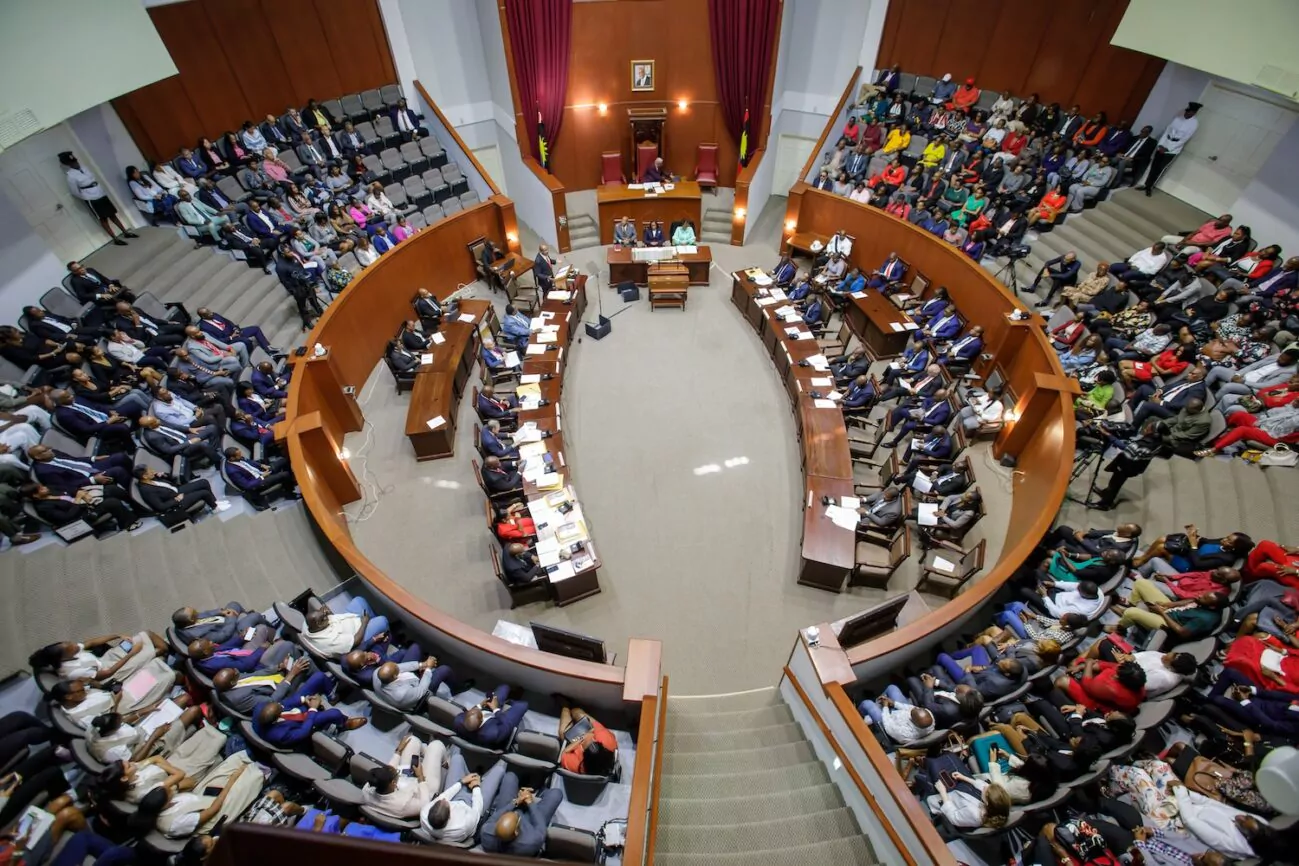
The House of Representatives has passed the Special Economic Zone (Amendment) Bill, 2026, advancing proposed changes to the legal framework governing Special Economic Zones in the country, with measures targeting anti-money laundering compliance, clearer licensing procedures, and stronger oversight of businesses operating within the zones.
The legislation amends the Special Economic Zone Act, 2015, introducing a formal approval regime for zone users and requires that all such persons be registered with the relevant committee before commencing operations.
Existing operators will have six months from the bill’s commencement to apply for zone user status or face being directed to cease operations.
A central feature of the legislation is the mandatory verification of identity, beneficial ownership, and source of funds for both operators seeking licences and businesses seeking zone user approval.
Applicants for a Special Economic Zone operator licence must demonstrate that they are fit and proper persons and that they have adequate measures in place to comply with the Money Laundering (Prevention) Act 1996, the Prevention of Terrorism Act 2005, and the Weapons of Mass Destruction (Prohibition and Non-Proliferation) Act 2024.
New sections being inserted into the principal act will ensure that all laws of Antigua and Barbuda continue to apply within Special Economic Zones without exception.
The legislation explicitly preserves the authority of the Comptroller of Customs, the Commissioner of Inland Revenue, the Chief Immigration Officer, the Commissioner of Police, the Chief Executive Officer of the Financial Services Regulatory Commission, and the Director of the Office of National Drug and Money Laundering Control Policy to exercise their statutory powers within any zone.
Persons carrying on financial services or digital asset activities within a Special Economic Zone will also be required to hold the relevant licence or authorisation from the competent authority, with the Financial Services Regulatory Commission retaining full supervisory and enforcement powers within zones.
New provisions also make clear that the Special Economic Zone Committee cannot exercise supervisory authority over any government ministry, department, or regulatory body, and that no statutory powers are transferred from government authorities to zone operators or committees.
Zone users whose approvals are suspended or revoked remain exposed to enforcement action by competent authorities under other laws, independent of any action taken by the committee.
The bill further requires zone users to notify the committee of any change in beneficial ownership, control, or legal status within a prescribed period.
The Special Economic Zone Committee will be required to maintain a register of zone users and make it available to the Minister and any competent authority upon request.
The committee’s functions are also expanded to include monitoring money laundering and terrorist financing risks within zones and cooperating with the Financial Intelligence Unit and law enforcement agencies.
Leader of the Opposition Jamale Pringle and St Philip’s South MP Sherfield Bowen questioned why the bill needed to be passed swifty, with Bowen describing the legislation as complex and raising doubts about its intent.
Pringle questioned what tangible benefits previous Special Economic Zones had delivered to the public, raising the spectre of the YIDA special economic zone.
Attorney General Sir Steadroy Benjamin pushed back against the opposition’s characterisation of the bill, stating that an upcoming national evaluation was the driving force behind the legislation’s timeline.
“We have an evaluation coming up in a few months. We have to show that the bill is being passed, and enough time has been given for its operation,” Sir Steadroy said.
He said the evaluation, scheduled for November, would assess whether Antigua and Barbuda was acting in accordance with the changes made, noting that the bill’s passage in March would allow several months to demonstrate compliance.
Benjamin also rejected suggestions that the bill was tied to any specific zone operator, saying the legislation was not zone-specific and was part of a broader regional trend.
The bill now moves to the Senate for consideration.

About the author
The Editorial Staff refers to all reporters employed by Antigua.news. When an article is not an original creation of Antigua.news—such as when it is based on a press release, other media articles, letters to the editor, or court decisions—one of our staff members is responsible for overseeing its publication.
Read our editorial standards and corrections policy. Spotted an error? Contact the newsroom.
More from Antigua and Barbuda
View section
LETTER | Enough Is Enough: Zero Tolerance, Zero Excuses - It Is Time to Take Back Our Nation”
By Editorial Staff

Tevin Willock Jailed for Nearly 11 Months Over Ammunition Possession
Tevin Willock Receives 10-Month, 20-Day Prison Sentence for 9mm Ammunition Possession
By Cory Wayland

More Than 2,500 Students Screened as School Vision Programme Identifies Children Needing Follow-Up
School Vision Screenings Flag Eye Concerns in More Than 280 Students
By Cory Wayland

Antigua and Barbuda Signs Visa Waiver Agreement with Azerbaijan at UN General Assembly
Antigua and Barbuda, Azerbaijan Sign Visa Waiver Agreement During UN Meetings
By Cory Wayland
Comments (1)
Juju Bee March 28, 2026, 5:52 PM