













The Cabinet of Antigua and Barbuda has reaffirmed its commitment to defending the country’s Citizenship by Investment (CIP) Programme in the face of growing international pressure, while approving a series of major initiatives aimed at strengthening agriculture, national security, education, tourism and long-term economic resilience.
Meeting on Wednesday, Cabinet considered a wide range of national issues, with discussions centering on the future of the Citizenship by Investment Programme, the European Union’s proposed changes to visa-free access for countries operating CIP schemes, and several strategic investments designed to support sustainable development.
The decisions reflect what Cabinet described as a comprehensive strategy to safeguard Antigua and Barbuda’s economic future while continuing to invest in the country’s people and infrastructure.
A significant portion of the meeting was devoted to the future of the Citizenship by Investment Programme, as the Government continues to resist calls by the European Union for Caribbean countries operating such programmes to phase them out within two years if they wish to retain visa-free access to the Schengen Area.
Cabinet’s position follows recent discussions among OECS Heads of Government, where regional leaders agreed that each sovereign state has the right to determine its own economic development policies while continuing constructive engagement with European partners.
The Cabinet reaffirmed that Antigua and Barbuda has no intention of dismantling a programme it says has become a cornerstone of the country’s economic development.

Over the past decade, revenue generated through the CIP has financed critical national projects, including major infrastructure development, climate resilience initiatives, affordable housing programmes, healthcare improvements and debt reduction. The programme has also enabled the Government to fund development without imposing additional taxes on citizens.
Cabinet further emphasised that the programme has undergone continuous strengthening to meet evolving international standards. Antigua and Barbuda now operates one of the region’s most rigorous due diligence systems, supported by enhanced background investigations, international information-sharing agreements and strengthened regulatory oversight.
The Government also pointed to the establishment of the Eastern Caribbean Citizenship by Investment Regulatory Authority as evidence of the region’s commitment to maintaining the highest standards of transparency, accountability and integrity.
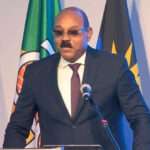
Prime Minister Gaston Browne has consistently argued that Antigua and Barbuda should not be forced into choosing between preserving a programme that has transformed the country’s economy and maintaining visa-free access to Europe.
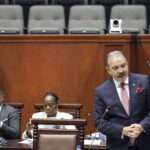
Addressing Parliament earlier this week, Browne made it clear that while the Government values visa-free travel, it cannot sacrifice an economic programme that has delivered billions of dollars in investment and financed critical national development.
He argued that if Antigua and Barbuda were ever forced to choose between protecting its Citizenship by Investment Programme and preserving visa-free access to Europe, the Government would defend the programme because of its enormous contribution to national development and fiscal stability.
Cabinet echoed that position on Wednesday, agreeing that Antigua and Barbuda will continue evaluating all available options while working closely with its OECS partners to formulate a coordinated regional response.
At the same time, ministers stressed that diplomacy remains the preferred path forward, expressing confidence that continued engagement with European officials can address legitimate concerns without compromising Antigua and Barbuda’s sovereignty, economic stability or right to pursue its own development strategy.
The Government maintains that meaningful dialogue, not unilateral concessions, offers the best opportunity to preserve both strong international partnerships and the economic tools that have supported the country’s development over the past decade.



We need to do what we have to do for our citizens