












Recognizing the critical role of Aviation Security Officers at Antigua and Barbuda’s airports
Part I
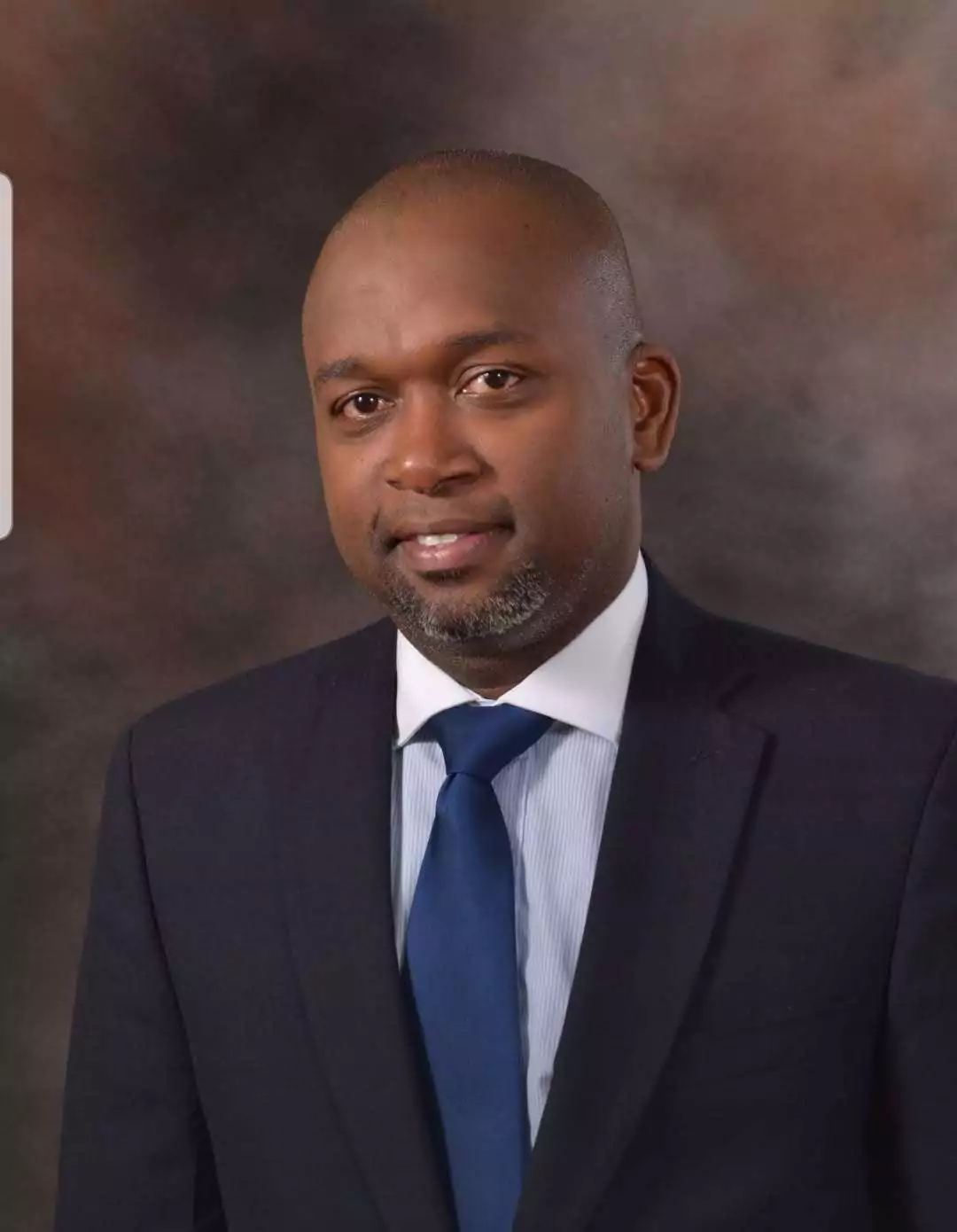
By Kurt Menal, CEO of the VC Bird International Airport
Twenty-five years ago, on 11 September 2001, the world witnessed an attack that fundamentally changed international civil aviation.
The events of 9/11 demonstrated, in the most devastating way possible, that the openness and accessibility that make aviation so valuable to the world can also create vulnerabilities that must be carefully managed. In the years that followed, aviation security underwent an unprecedented transformation. Governments strengthened legislation and regulation. Airports invested in technology and infrastructure. Airlines enhanced security procedures. International standards evolved.
But behind every security system, every screening machine, every access-control system and every security procedure, there is a person.
At Antigua and Barbuda’s airports, these persons are our Aviation Security Officers.
The Aviation Security Officers employed by the Antigua and Barbuda Airport Authority (ABAA) occupy one of the most important and highly specialized positions within the airport environment. They are the people who translate national and international aviation security requirements into action every day, every shift and for every passenger.
Their work is often most successful when the travelling public barely notices it.
That is precisely the point.
Aviation security is more than checking a passenger’s bag
There is sometimes a perception that an Aviation Security Officer is simply someone who operates an X-ray machine or conducts passenger screening.
That perception significantly understates the profession.
Modern aviation security is a comprehensive, risk-based system designed to prevent acts of unlawful interference against civil aviation. It involves passenger and baggage screening, access control, airport security, surveillance, identification of potential threats, security of restricted areas, protection of aircraft and aviation facilities, response to security incidents and the application of carefully controlled procedures.
The Aviation Security Officer is an essential operational link in that system.

At the checkpoint, an officer must be able to interpret images, identify prohibited or suspicious items, understand screening procedures, communicate effectively with passengers, recognize unusual behaviour or circumstances, make appropriate decisions and know when an issue must be escalated.
The officer must do all of this while maintaining professionalism, courtesy, vigilance and consistency.
It is therefore not simply a job of searching people or property.
It is a profession built around judgement, observation, discipline, communication, technology, procedures and responsibility.
It is a profession built on international standards and neither does it exist in isolation.
Antigua and Barbuda’s aviation security system operates within a broader international framework established through the International Civil Aviation Organization (ICAO), including the Standards and Recommended Practices contained in Annex 17—Security.
ICAO describes Annex 17 as the framework concerned with the security of international air transport and the prevention of acts of unlawful interference against civil aviation. The standards are continually reviewed and amended as threats, technology and aviation operations evolve.
One of the most important principles contained within that framework is that the people implementing aviation security measures must themselves be properly selected, trained, qualified and assessed.
ICAO Annex 17 requires States to ensure that personnel implementing security controls possess the competencies required for their duties and are appropriately trained in accordance with the National Civil Aviation Security Programme. It also requires persons carrying out screening operations to be certified in accordance with national requirements.
This is important because it changes how we should view the Aviation Security Officer.
The officer is not simply an airport employee assigned to a checkpoint.
The officer is a trained and qualified security professional operating within an internationally governed aviation security system.




I have always found all airport staff (except one years ago), to be totally amazing!. Professional, courteous and all done with a smile – love it!!!.
Over the years l have been through many, many airports at places both near and far, ANU in my opinion, is one of the best, even when any delays are not their fault, yet the public still take their frustration out on the staff, they have always remained patient and clearly still in control of any given situation.
I had reason to go to another island very close to Antigua just a few months ago. It was such a horrible experience l wanted to kiss the ground when l arrived. To see smiling faces or just a nod throught the whole arrival process was wonderful!!! Go Anu!!👏👏👏
This piece is welcome for those of us who passed through the system. It is instructive for those in the field and it is knowledgeable for all others.
Thanks Kurt.
I have to agree with the comments here. 😅 Most times you don’t even think about the people behind the screening and security until something goes wrong. Good to see their work getting some recognition for once.