
Redonda designated as a protected area

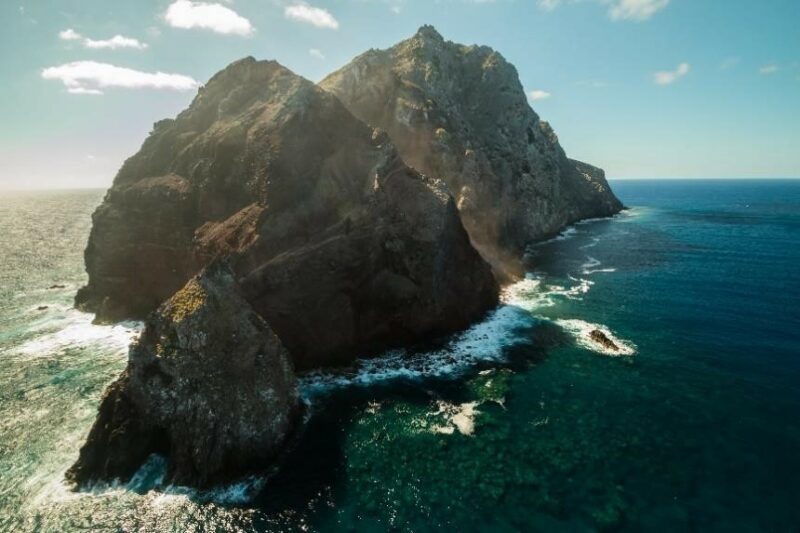
Redonda, an uninhabited island in Antigua and Barbuda, has radically transformed in recent years.
Once a barren and lifeless moonscape, it is now a thriving wildlife sanctuary.
The Redonda Ecosystem Reserve, one of the largest protected areas in the Caribbean, has been granted to the entire island, along with its surrounding seagrass meadows and coral reef, spanning nearly 30,000 hectares of land and sea.
This achievement results from collaborative efforts by the government of Antigua and Barbuda, led by the Department of Environment (DoE), in partnership with local and international conservation organizations such as the Environmental Awareness Group (EAG), Fauna & Flora, and Re:wild.
The Redonda Ecosystem Reserve is home to approximately 30 globally threatened and near-threatened species, including globally significant seabird colonies.
This designation follows the success of a significant restoration program initiated in 2016, which involved the removal of invasive species from the island and the subsequent recovery of native species.
Since removing invasive rats and feral goats in 2017, Redonda has experienced a rapid resurgence. The total vegetation biomass has increased by over 2,000 percent, 15 species of land birds have returned, and the population of endemic lizards has grown more than fourfold.
The critically endangered Redonda ground dragon, a lizard species, has increased by 13-fold since 2017.
The success of the restoration program has led to the creation of the Redonda Ecosystem Reserve, fulfilling the government’s commitment to conserve at least 30 percent of terrestrial, inland water, coastal, and marine areas under the Kunming-Montreal Global Biodiversity Framework, adopted at the COP 15 of the UN Convention on Biological Diversity in December 2022.
Despite the progress, restoration work continues. Organizations like EAG, Fauna & Flora, Re:wild, and their partners collaborate on various actions to support the island’s biodiversity.
This includes implementing biosecurity measures to prevent reinvasions, monitoring the recovery of native species, conducting marine monitoring and surveillance, promoting sustainable fishing, and planning the reintroduction of native species that cannot naturally return to the island, such as iguanas and burrowing owls.
Jenny Daltry, Caribbean Alliance director for Re:wild and Fauna & Flora, emphasized the critical role of protected areas like the Redonda Ecosystem Reserve in restoring and protecting areas facing high extinction rates.
The protected area designation is vital for ongoing commitment to restoring Redonda to its former glory and could pave the way for Redonda to become an incredible sustainable tourism attraction in the near future.

About the author
The Editorial Staff refers to all reporters employed by Antigua.news. When an article is not an original creation of Antigua.news—such as when it is based on a press release, other media articles, letters to the editor, or court decisions—one of our staff members is responsible for overseeing its publication.
Read our editorial standards and corrections policy. Spotted an error? Contact the newsroom.
More from Caribbean
View section
St. Kitts DPP Seeks Antigua’s Help in Outstanding Case Involving Former Resort Clerk
By Shermain Bique-Charles

Royal Caribbean in Talks to Buy Half of Sandals in Reported $3 Billion Deal
By Shermain Bique-Charles
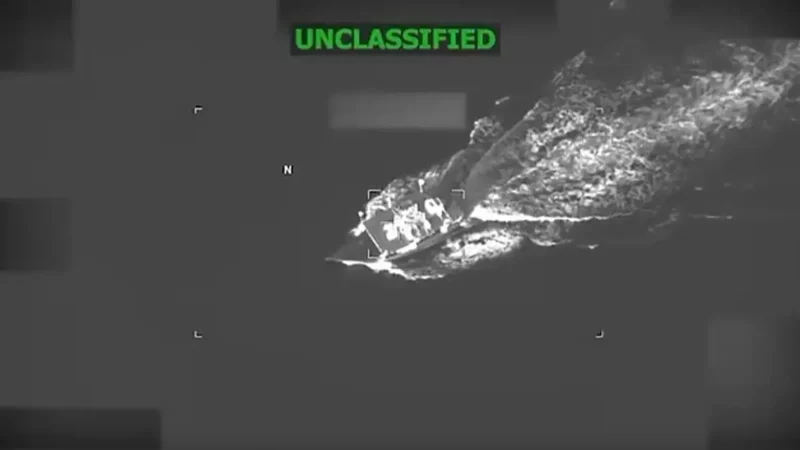
Four Killed in Latest US Military Strike on Suspected Drug Vessel in Caribbean
By Shermain Bique-Charles
Browne, Commonwealth Secretary-General Review Final Preparations for CHOGM 2026
By Editorial Staff
Comments
Be the first to comment.