
PAHO warns of increase in dengue cases in the Caribbean

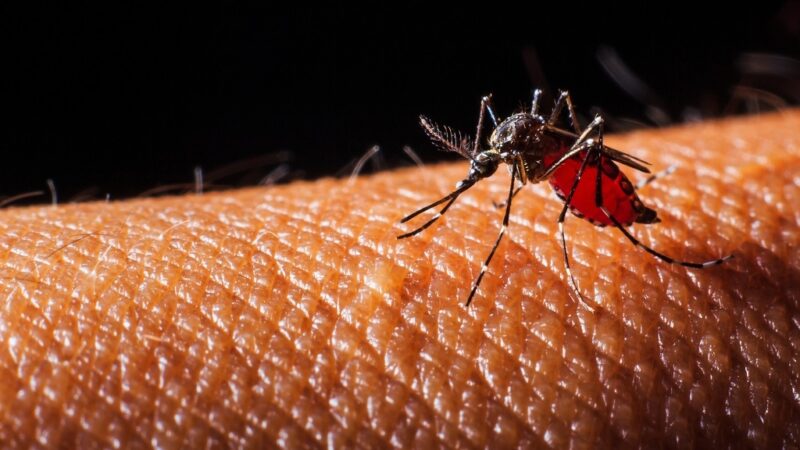
The Pan American Health Organisation (PAHO) has issued a warning of a significant upsurge in dengue cases in the Americas, including regions such as Barbados and the French islands of Martinique and Guadeloupe.
According to PAHO, the region has reported over 3.5 million cases and more than 1,000 deaths as of March 26, 2021.
This is a cause for concern as it represents three times more cases than those reported for the same period in 2023, a record year with over 4.5 million cases reported in the region.
PAHO has attributed this increase to the higher transmission season in the southern hemisphere, which allows the Aedes aegypti mosquito vector of dengue to thrive due to warm and rainy weather.
However, the hardest-hit countries are Brazil, Paraguay, and Argentina, which account for 92% of cases and 87% of deaths.
It is important to note that countries such as Barbados, Costa Rica, Guadeloupe, Guatemala, Martinique, and Mexico are also seeing an uptick in cases. PAHO Director Dr Jarbas Barbosa has cautioned that transmission is usually higher in the second half of the year in these countries.
Several environmental and social factors contribute to the spread of dengue, including rising temperatures, extreme weather events, and the El Niño phenomenon. Rapid population growth and unplanned urbanization also play a crucial role.
Poor housing conditions and inadequate water and sanitation services create mosquito breeding sites through discarded objects that can collect water.
PAHO maintains a rigorous surveillance of dengue in the region and has issued nine epidemiological alerts in the past 12 months, providing essential guidance to Member States on disease prevention and control.
All four dengue serotypes are present in the region, increasing the risk of epidemics and severe forms of the disease. The simultaneous circulation of two or more dengue serotypes has been observed in 21 countries and territories of the Americas.

Despite the record increase in cases in 2023, the dengue case fatality rate in the region remained below 0.05%.
PAHO has been supporting countries since 2010 through a comprehensive strategy to control dengue and other mosquito-borne diseases.
This strategy includes strengthening surveillance, early diagnosis, and timely treatment, and has contributed significantly to saving thousands of lives.
PAHO Director Dr Jarbas Barbosa has emphasized the importance of taking prompt action to prevent and control dengue transmission and avoid deaths.
He has called for intensified efforts to eliminate mosquito breeding sites and protect against mosquito bites, increase preparedness in health services for early diagnosis and timely clinical management, and continuous work to educate the population about dengue symptoms and when to seek prompt medical attention.
Barbosa has also called for community engagement in order to succeed in the efforts to tackle the dengue problem.

About the author
The Editorial Staff refers to all reporters employed by Antigua.news. When an article is not an original creation of Antigua.news—such as when it is based on a press release, other media articles, letters to the editor, or court decisions—one of our staff members is responsible for overseeing its publication.
Read our editorial standards and corrections policy. Spotted an error? Contact the newsroom.
More from Antigua and Barbuda
View section
Uroy Joseph Murder Trial: Jury Shown Bloodstained Pipe Linked to Arthur James Case
Uroy Joseph Trial Deepens as Jury Examines Burnt Car and Alleged Murder Weapon
By Cory Wayland

LETTER | Enough Is Enough: Zero Tolerance, Zero Excuses - It Is Time to Take Back Our Nation”
By Editorial Staff

Tevin Willock Jailed for Nearly 11 Months Over Ammunition Possession
Tevin Willock Receives 10-Month, 20-Day Prison Sentence for 9mm Ammunition Possession
By Cory Wayland

More Than 2,500 Students Screened as School Vision Programme Identifies Children Needing Follow-Up
School Vision Screenings Flag Eye Concerns in More Than 280 Students
By Cory Wayland
Comments
Be the first to comment.