
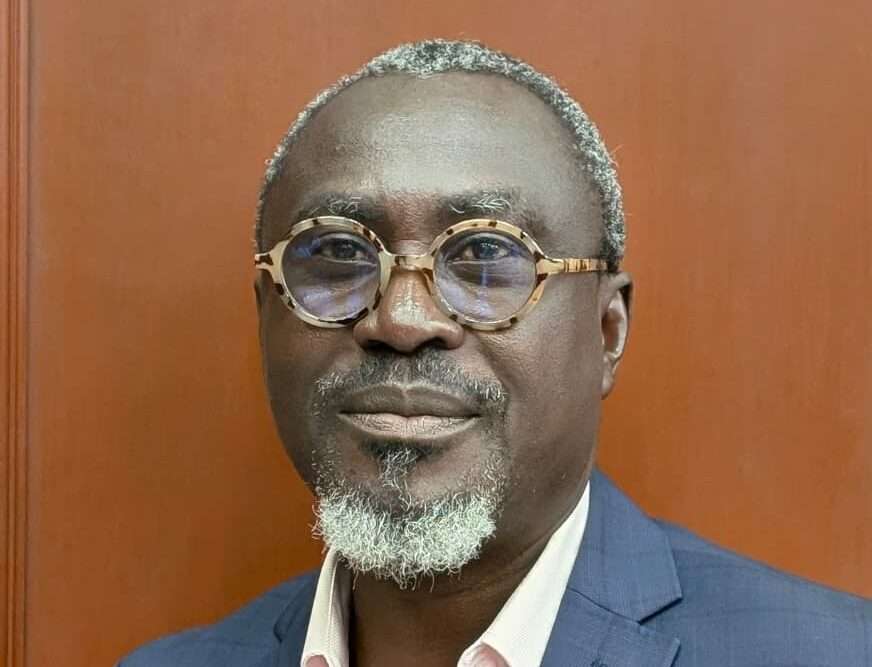
Judge Bakre leaves a trail in Antigua & Barbuda as he bids farewell and heads to TCI


PRESS RELEASE
St. John’s, Antigua – In just under two years on the bench, a Nigerian-born judge undoubtedly left his mark on Antigua and Barbuda’s criminal court with rulings that unsettled the state, freed some condemned, and rigorously tested the limits of the law. Now, as he departs to serve another jurisdiction, Justice Tunde Ademola Bakre leaves behind a judicial record that will surely go down in court history.
Bakre was sworn in as a High Court Judge of the Eastern Caribbean Supreme Court (ECSC) on September 29, 2023, just in time to preside over Antigua and Barbuda’s first judge-alone murder trial. Two months later, he sentenced 30-year-old Jeffrey Daniel to 20 years in prison for the killing of his girlfriend’s stepfather, Robinson Roberts, during an altercation in Newfield.
The trial was historic, marking the nation’s adoption of judge-alone proceedings to address COVID-era backlogs and accelerate justice. It also showcased the prosecutorial capacity of the Office of the Director of Public Prosecutions, then led by acting Director Shannon Jones-Gittens, in managing complex judge-alone proceedings.
It would not be the only judge alone trial that Bakre would oversee during his time in Antigua. The most talked about was that of the state vs. Ray John. If Daniel’s conviction showed the efficiency of judge-alone trials, this case troublesomely revealed their limits.
In State vs. Ray John – the case against a suspended police superintendent accused of forging passport bio-pages – Bakre delivered an unexpected judgment. After four weeks of testimony and legal argument, he struck out the case, ruling that he lacked jurisdiction without a jury, since the charges did not fall under the Criminal Proceedings (Trial by Judge Alone) Act. It was an oversight the state’s prosecutorial team failed to recognize. The ruling stunned thousands who had followed the trial closely and were hoping for closure.
But if that ruling embarrassed the state, others cut even deeper. In one of his most consequential judgments, Bakre ordered the release of Jamaican national Methoni Vernon, accused of murdering farmer Roy Carridice in 2014. During the investigation, Vernon relocated to Dominica, where he lived for years before Antigua and Dominica police orchestrated his covert removal, sidestepping formal extradition procedures.
Bakre condemned the move as an “abuse of process,” ruling that allowing the case to proceed would compromise the integrity of justice. The decision left a major blemish on the state but marked a decisive victory for Vernon’s attorney, Andrew O’kola, who said Bakre had “exercised a measure of inherent jurisdiction to prevent abuse by the State.”
O’kola noted that Justice Bakre consistently refused to cherry-pick evidence, even when internal contradictions made convictions unsafe. “Justice Bakre brought a calm, steady authority to his duties at the High Court. He was not only well-prepared, but courteous and exacting,” he said. “He kept us, as counsel, focused on the issues, managed the occupational hazards without drama, and gave reasons that illuminated both the route to justice and the result. Like any advocate, I sometimes disagreed with outcomes.”
Bakre also showed little hesitation in addressing mental health in criminal law. In the case of 24-year-old Brittany Jno Bapsite – who killed Jane Finch in her home without provocation – the defence sought psychiatric confinement. Bakre reduced the charge from murder to manslaughter on grounds of diminished responsibility but nevertheless imposed a 27-year prison sentence, ruling that the evidence did not support full leniency. That decision is now under appeal by attorney-at-law Wendel Alexander.
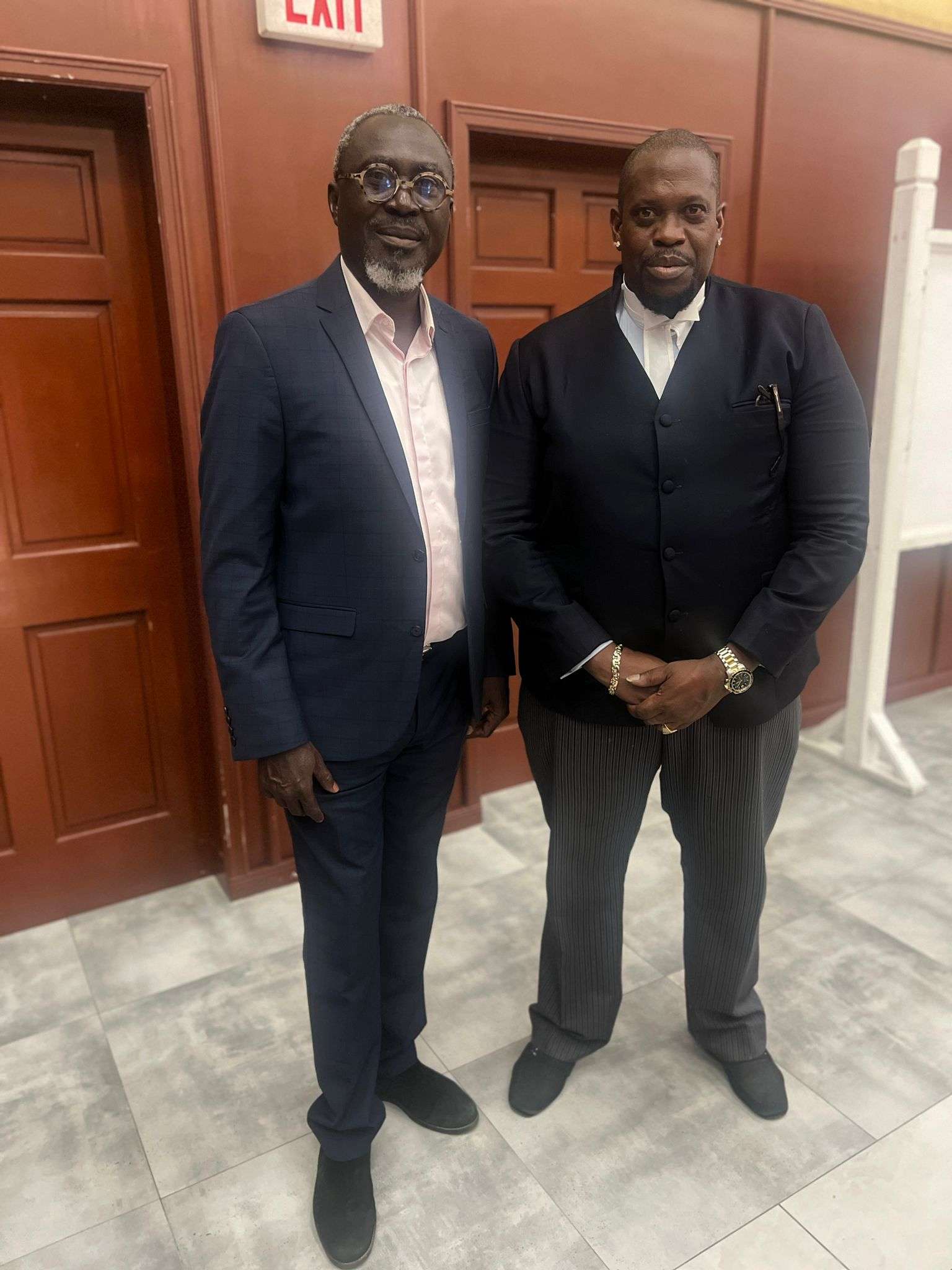
Yet the decision did little to strain his collegial ties. Alexander himself observed, “Justice Bakre is a remarkable gentleman; a devil’s advocate who keeps the courtroom on edge with his wry humour, yet always mindful of the seriousness of the case before him.”
Not all of Justice Bakre’s rulings weighted toward punishment. In a courtroom steeped in history, he presided over the review hearing of Mellanson Harris, one of the men convicted in the notorious “Computer Challenger Murders.”
In 1994, Harris and his accomplices bound and shot four foreign yacht passengers anchored off Barbuda. Initially sentenced to death by hanging, their penalties were later reduced to 45 years in prison. Over time, Harris earned a reputation as a “model inmate” among prison officials. When he came before Justice Bakre for a review hearing, the judge released him unconditionally, acknowledging both the years served and his conduct in custody.
Case by case, Justice Bakre’s courtroom became a forum where Antigua and Barbuda’s hardest questions of justice unfolded: how to balance speed with fairness, how far the state could go in pursuit of convictions, and how mercy could be reconciled with the law.
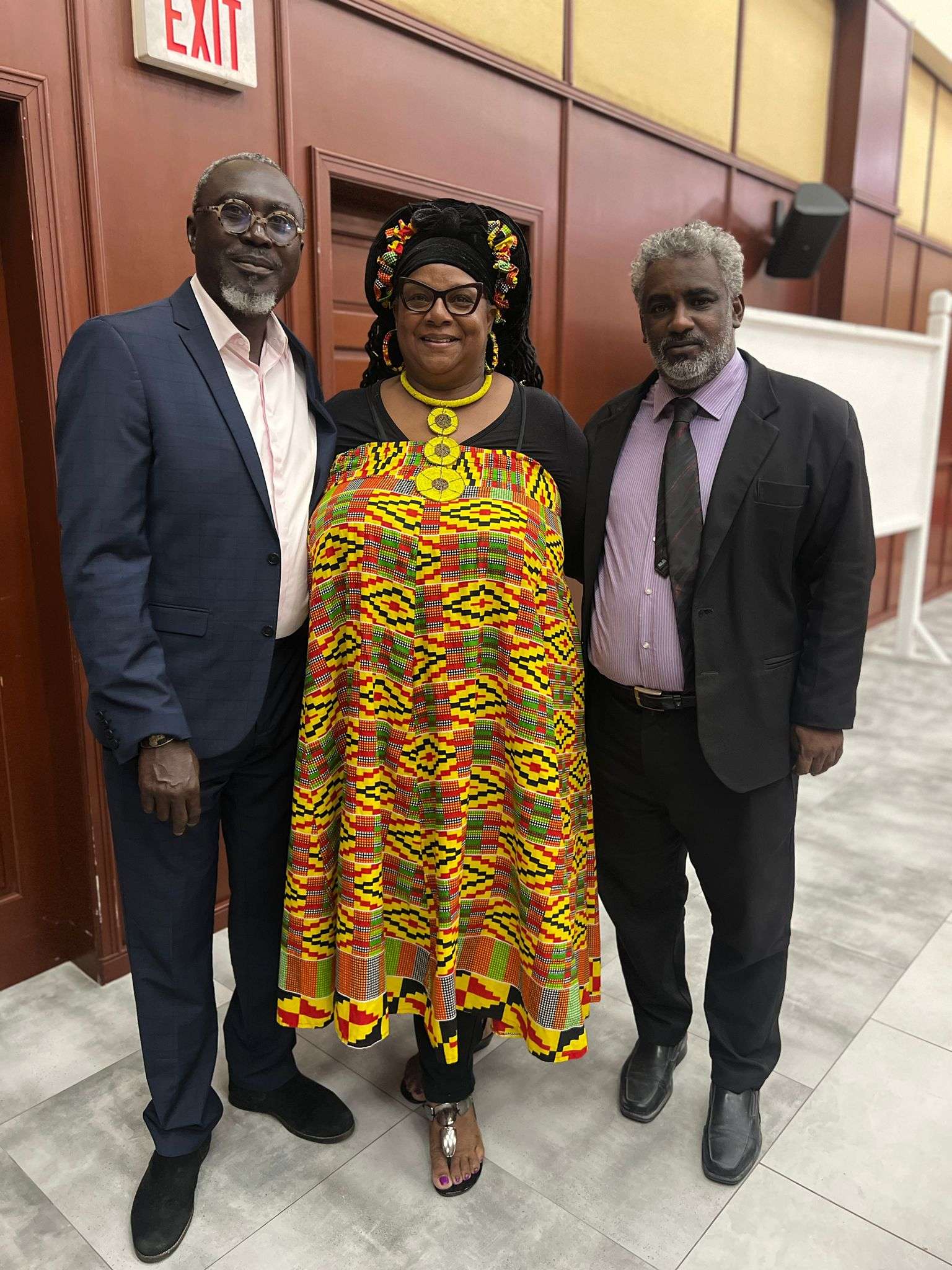
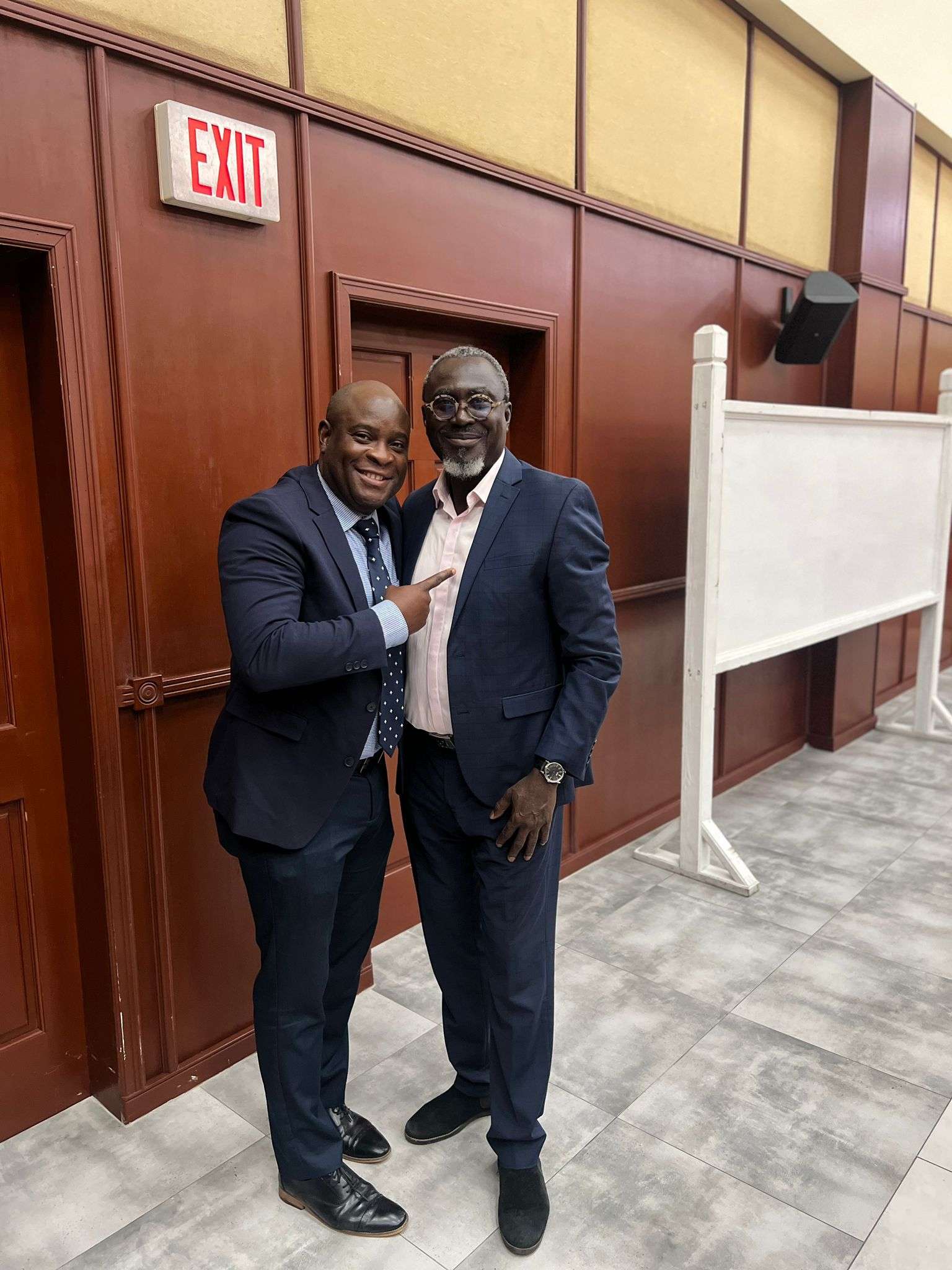
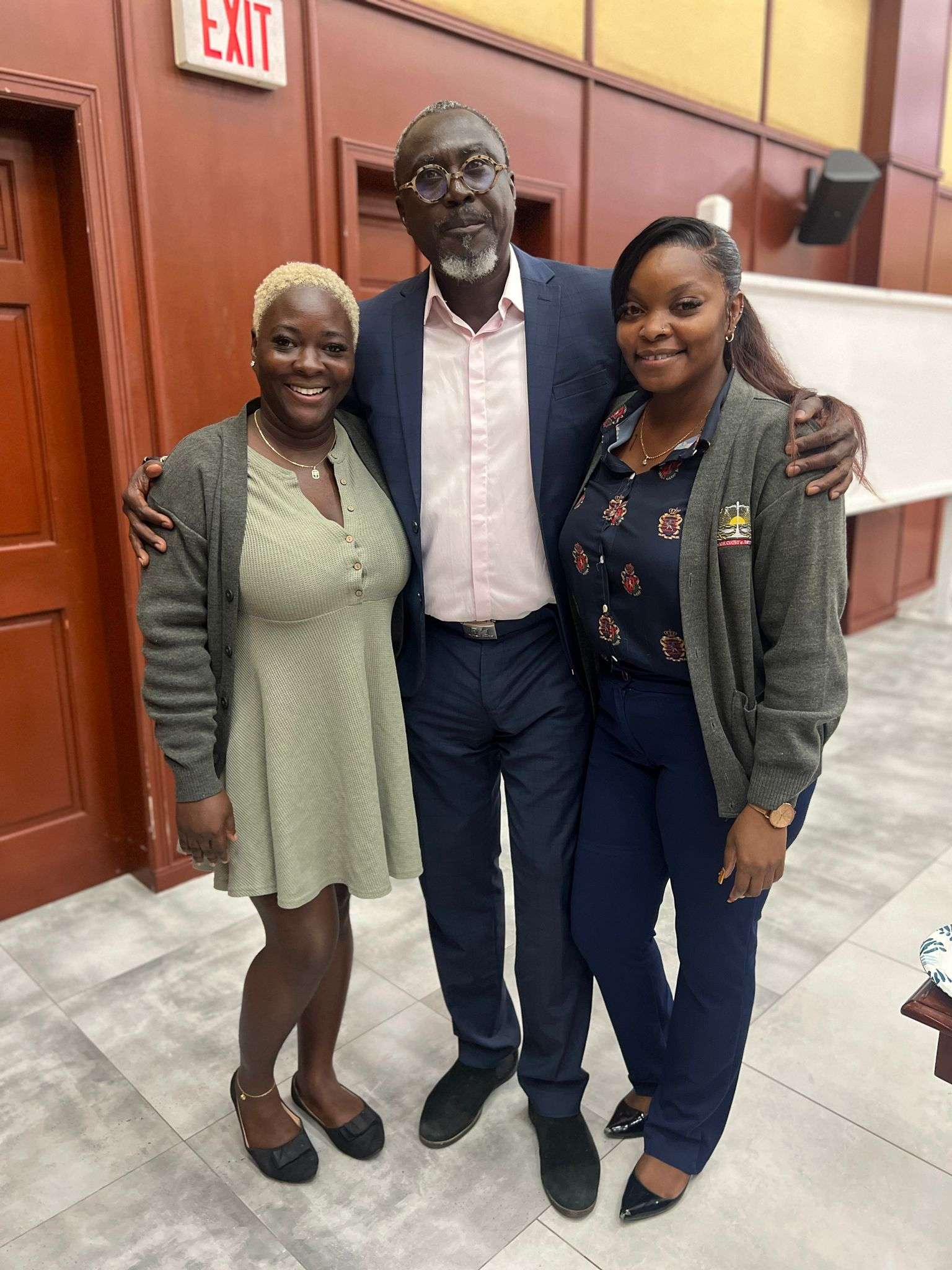
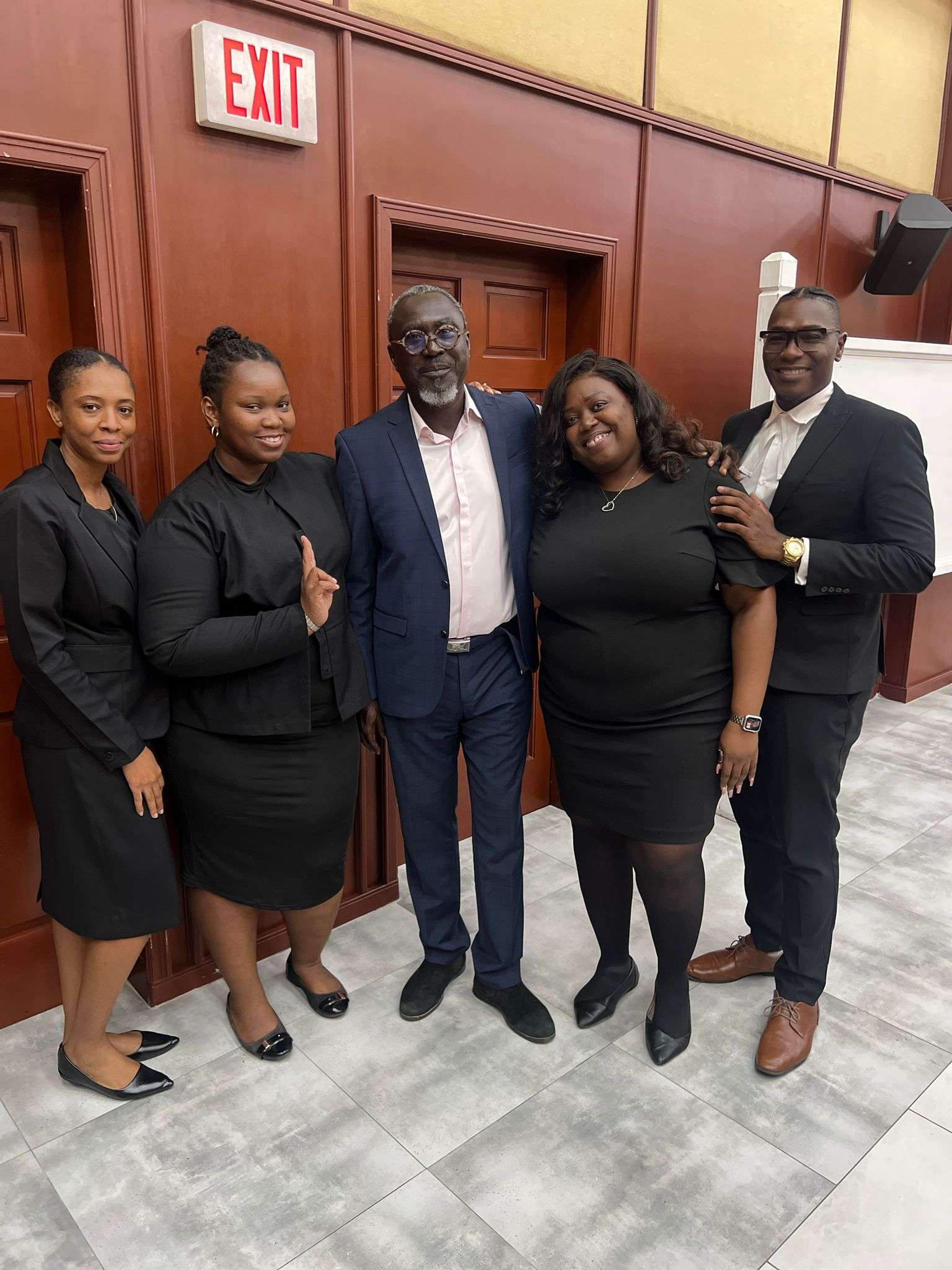
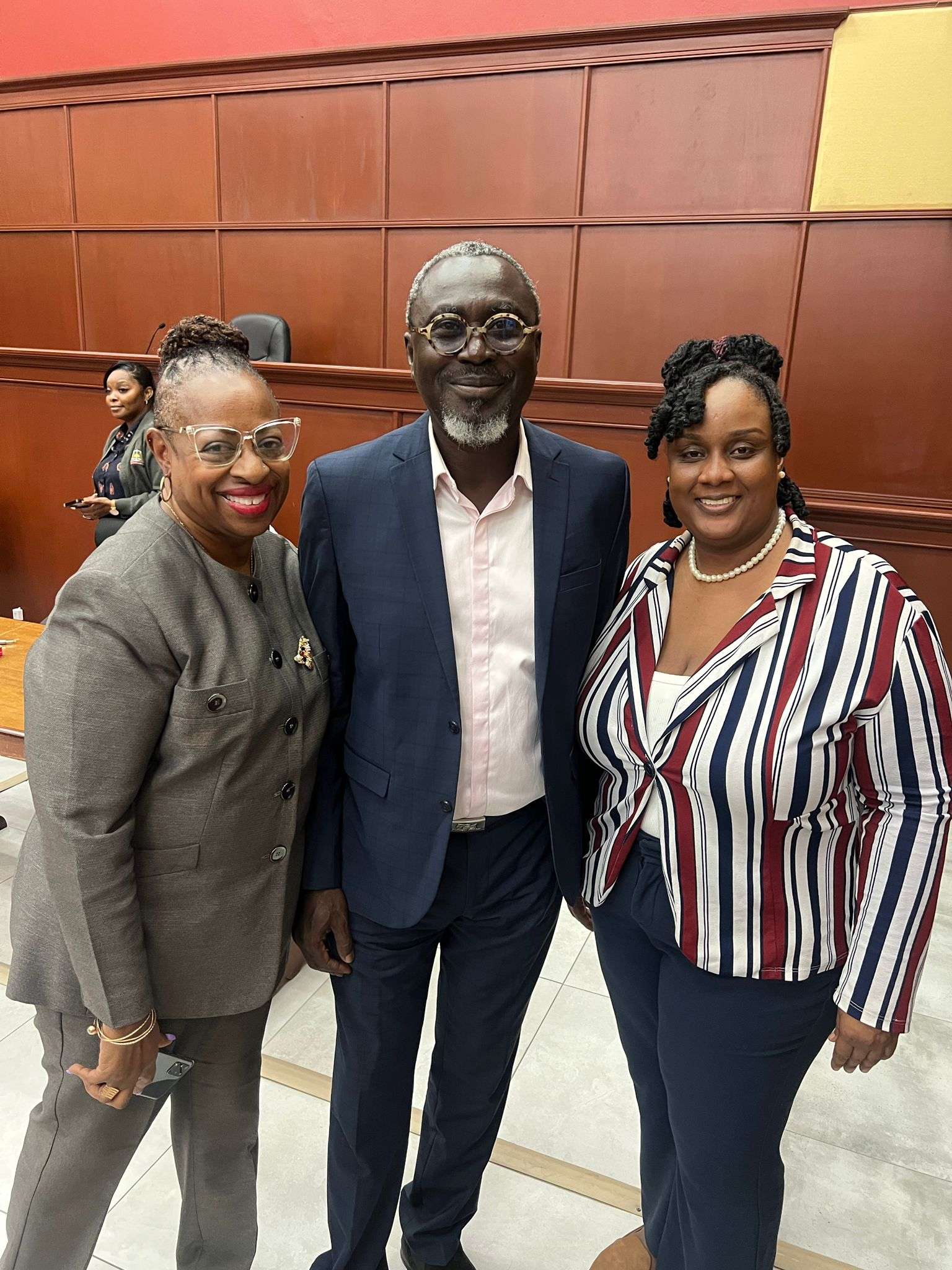
At an informal his send-off, legendary cricketer Sir Vivian Richards described Justice Bakre as a “brother,” noting that his demeanor and spirit of camaraderie forged friendships beyond the courtroom. Many colleagues also graced the court from on Thursday to wish the judge success on his next venture in the Turks & Caicos Islands.
As he leaves Antigua and Barbuda, Bakre leaves behind more than rulings; he leaves a legacy of decisions that challenged the system, held the state accountable, and reminded both courts and country that justice must not only be done, but be seen to be done.
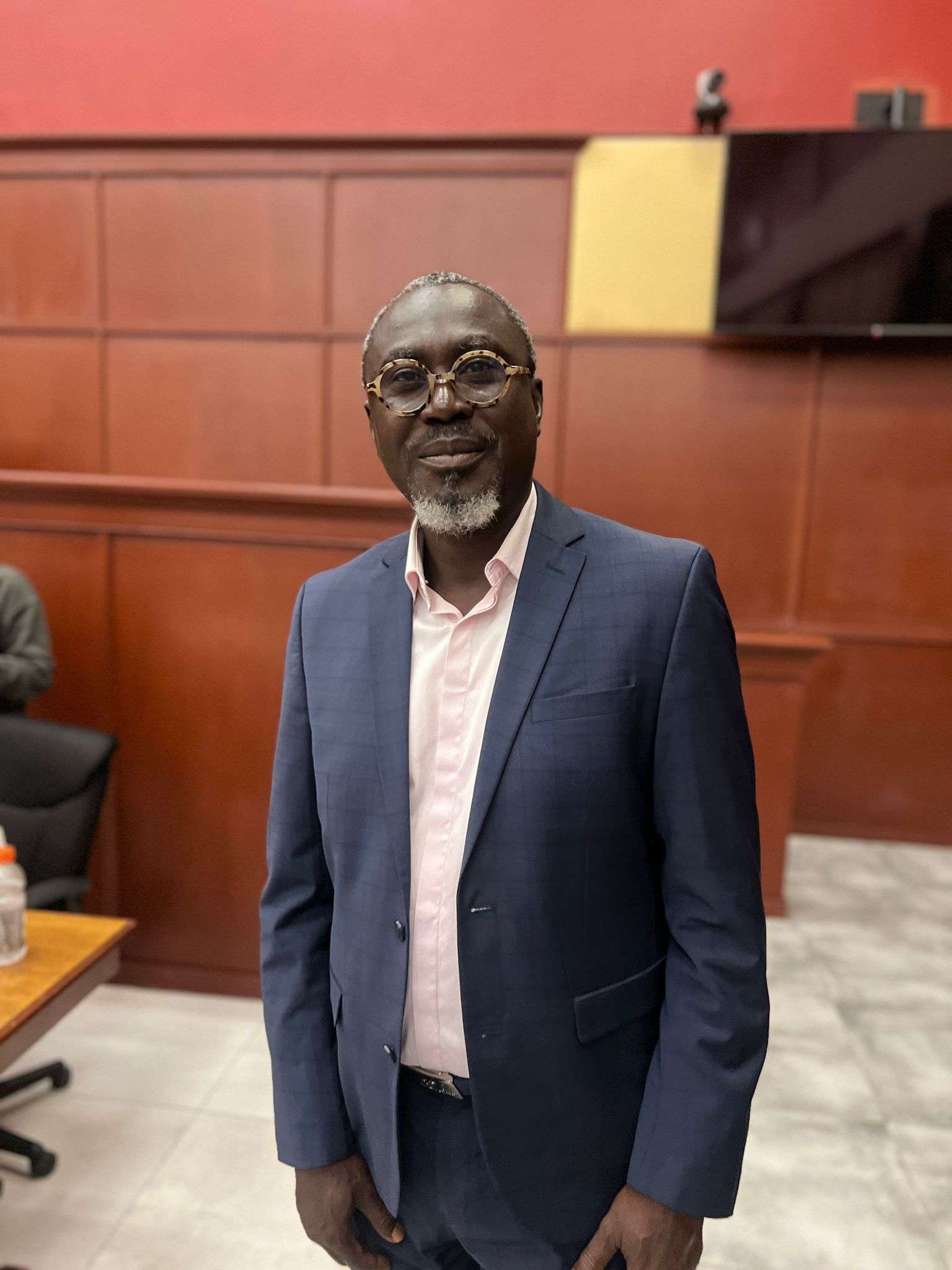
“Those are not theatrical moments; they are the quiet grammar of justice,” reflected attorney O’Kola. “Another Bench will gain them; we will miss them. Firm in principle, gracious in manner, Justice Bakre’s habits of fairness and clarity will travel well.”
Attorney Alexander chimed in “I believe he would have done much more cases with me as defence attorney… There is never a dull moment.”

About the author
The Editorial Staff refers to all reporters employed by Antigua.news. When an article is not an original creation of Antigua.news—such as when it is based on a press release, other media articles, letters to the editor, or court decisions—one of our staff members is responsible for overseeing its publication.
Read our editorial standards and corrections policy. Spotted an error? Contact the newsroom.
More from Antigua and Barbuda
View section
Antigua and Barbuda Signs Visa Waiver Agreement with Azerbaijan at UN General Assembly
Antigua and Barbuda, Azerbaijan Sign Visa Waiver Agreement During UN Meetings
By Cory Wayland
St. Kitts DPP Seeks Antigua’s Help in Outstanding Case Involving Former Resort Clerk
By Shermain Bique-Charles
UPDATE: Nothing Spared as Fire Reduces XPZ Supermarket to Ruins Again
By Shermain Bique-Charles
Police and Customs Seize 21 Pounds of Suspected Cannabis at Deep Water Harbour
By Shermain Bique-Charles
Comments (11)
Kay September 30, 2025, 11:23 AM
Maki September 30, 2025, 11:22 AM
Tweek September 27, 2025, 12:23 PM
Informed citizen September 26, 2025, 6:30 PM
Anonymous September 26, 2025, 3:25 PM
Juju Bee September 26, 2025, 1:35 PM
Byron September 26, 2025, 1:03 PM
Davina September 26, 2025, 12:59 PM
Kyle September 26, 2025, 12:47 PM
Vaughn September 26, 2025, 12:44 PM
TurksTiguan September 26, 2025, 10:45 AM
Comments are temporarily unavailable.