
High Surf Warning Issued for Barbuda, BVI and Anguilla

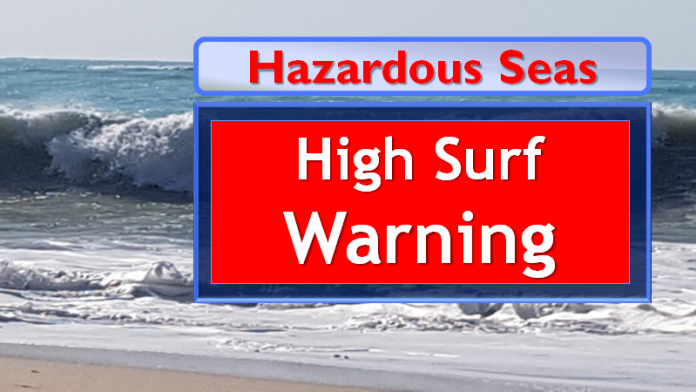
The Antigua and Barbuda Meteorological Services has issued a high surf warning for the British Virgin Islands, Anguilla and Barbuda as dangerous ocean conditions approach the region.
The warning affects reefs and exposed northern and north-facing coastlines with shallow, gentle to moderately sloping nearshore areas.
The warning will be in effect from Friday afternoon until Monday midday for the British Virgin Islands. For Anguilla, the warning will be in effect from Friday evening until Monday morning. Barbuda will be under the warning from Friday night until Monday afternoon.
Rising moderate long-period swells are reaching the area, creating very hazardous conditions mainly along northern and north-facing coastlines.
Dangerous battering surfs exceeding 3 metres or 10 feet will affect some coastlines, producing life-threatening conditions and rip currents.
Wave heights are expected to reach 2.1 to 2.7 metres or 7 to 9 feet, occasionally or locally reaching near 3.4 metres or 11 feet. The swell period will be 12 to 13 seconds. North swells will range from 2.4 to 2.7 metres or 8 to 9 feet and will occasionally be higher.
Breaking surfs will exceed 2.7 metres or 9 feet. These conditions will be very conducive to dangerous rip currents. Surfs could be as much as twice the height of swells, depending on the bathymetry of nearshore areas.
High tides combined with onshore wind and swell action will result in coastal flooding and beach erosion.
The threat level to the life, livelihood, property and infrastructure of those using the affected coastlines is high, with the potential for extensive impacts.
Strong currents will be capable of carrying even the strongest swimmers out to sea. Beachgoers may sustain injuries, and beach erosion is expected.
Seawater will splash onto low-lying coastal roads, and beach closures are likely. Marine recreation and businesses will face disruptions and financial losses.
Coral reefs may sustain damage, and saltwater intrusion could affect potable water from desalination plants. High surfs can knock spectators off exposed rocks and jetties. Breaking waves may occasionally impact harbours, making navigation of harbour channels dangerous.
The Meteorological Services is urging the public not to enter the waters of the main warning areas. All residents and visitors are also urged to avoid rocky areas and coastal structures along affected coastlines.
A high surf advisory remains in effect for beaches on western and eastern coastlines. Those who choose to bathe should only do so where lifeguards are present or on sheltered, less affected beaches. Extreme caution is still required by those using these alternate areas.
Rip currents are powerful channels of water flowing quickly away from shore. They occur most often at low spots or breaks in sandbars and near structures such as groins, jetties and piers.
If caught in a rip current, authorities advise people to relax and float. People should not swim against the current. If able, swimmers should swim in a direction following the shoreline. If unable to escape, people should face the shore and call or wave for help.
This story was first published by Antigua News on : antigua.news/2025/10/02/high-surf-warning-issued-for-barbuda-bvi-and-anguilla. © 2025 Antigua News. Republication without permission is not allowed.

About the author
The Editorial Staff refers to all reporters employed by Antigua.news. When an article is not an original creation of Antigua.news—such as when it is based on a press release, other media articles, letters to the editor, or court decisions—one of our staff members is responsible for overseeing its publication.
Read our editorial standards and corrections policy. Spotted an error? Contact the newsroom.
More from Caribbean
View section
VIDEO: Doctors at Dominica China Friendship Hospital Stage Protest Outside Medical Facility
Healthcare professionals at the Dominica China Friendship Hospital gather outside the medical facility in an apparent protest, raising concerns over issues yet to be officially confirmed.
By Cory Wayland

St. Kitts DPP Seeks Antigua’s Help in Outstanding Case Involving Former Resort Clerk
By Shermain Bique-Charles

Royal Caribbean in Talks to Buy Half of Sandals in Reported $3 Billion Deal
By Shermain Bique-Charles
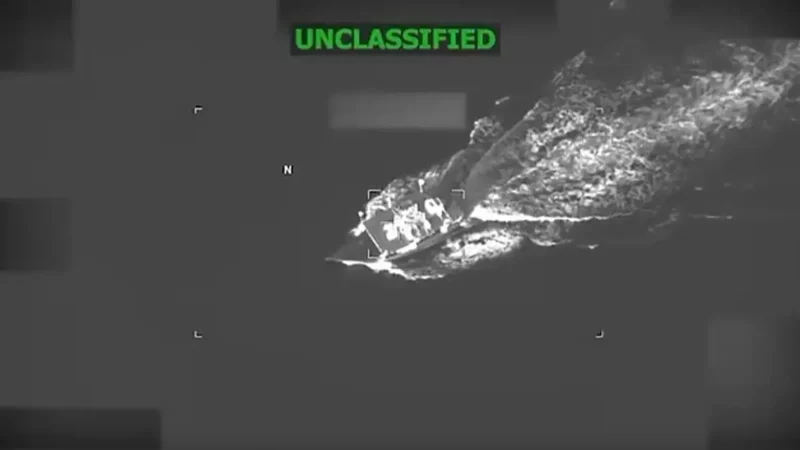
Four Killed in Latest US Military Strike on Suspected Drug Vessel in Caribbean
By Shermain Bique-Charles
Comments (4)
Juju Bee October 2, 2025, 8:39 PM
Merl October 4, 2025, 1:45 PM
Informed citizen October 2, 2025, 10:23 PM
Reina October 4, 2025, 3:10 PM