















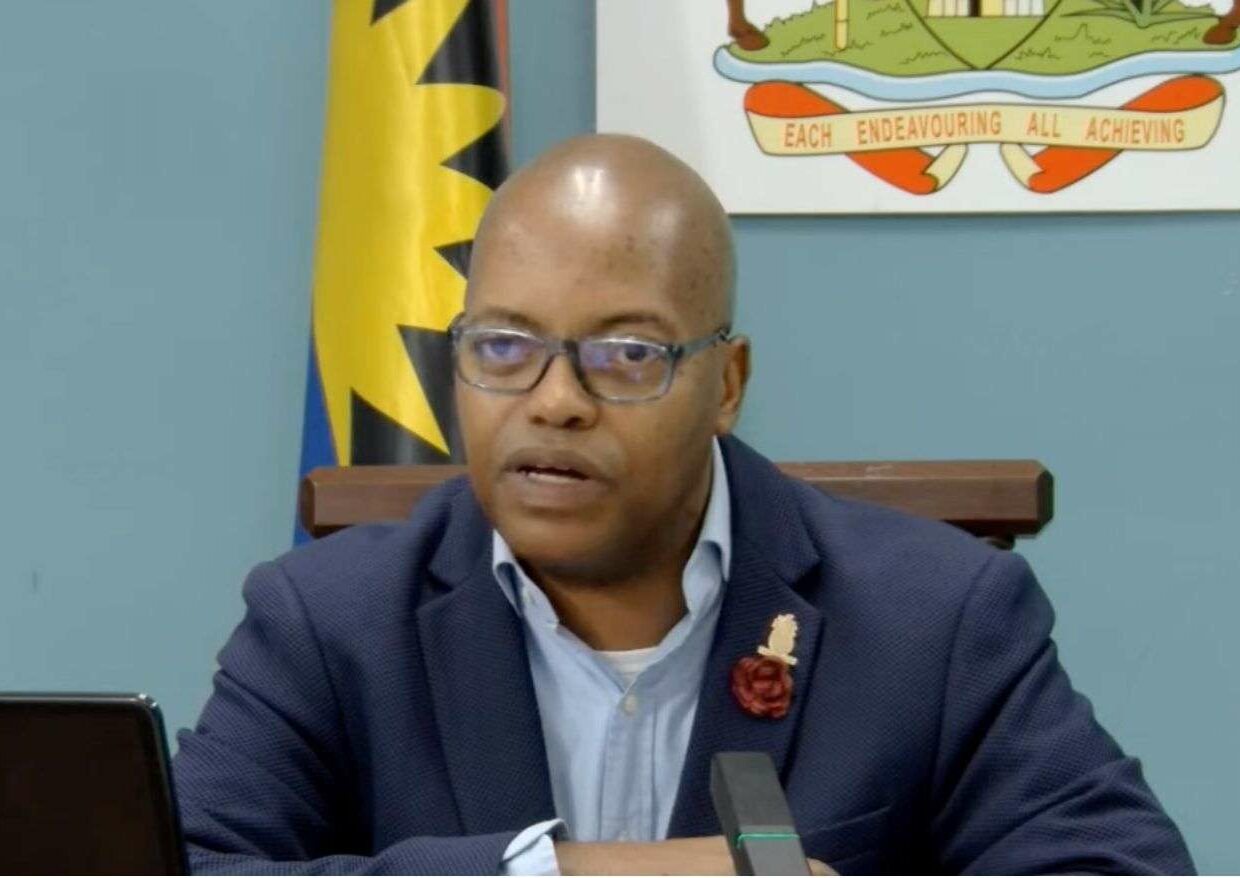
Director General of Communications in the Prime Minister’s Office, Maurice Merchant (screenshot of state media)
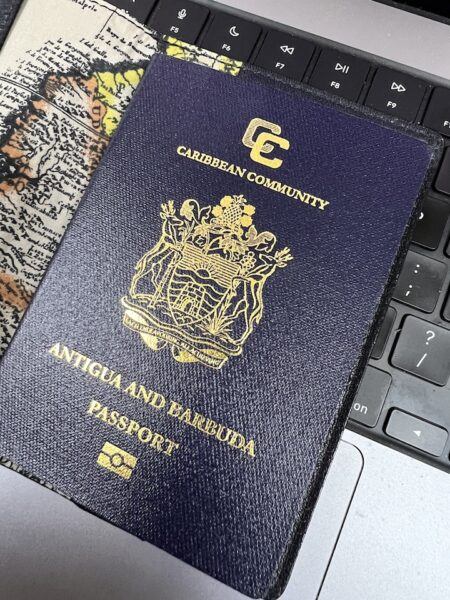
Antigua and Barbuda is seeing an alarming spike in lost passports — and the government is now weighing stricter measures to curb what officials describe as a growing national concern.
The issue came into sharper focus last Friday when Director General of Communications Maurice Merchant revealed that dozens of citizens have already reported losing their passports just weeks into 2026.
While most of the reports involve misplaced — not stolen — passports, authorities say the consequences are far from minor.
Every lost passport sets off a chain reaction. A police report must be filed. Immigration officials must investigate to ensure the document is not being misused. The passport then has to be formally cancelled in national systems to prevent fraud.
Beyond paperwork, there are deeper risks. Lost passports can potentially be used for identity theft or other fraudulent activities if they fall into the wrong hands. Even when that does not occur, the process of securing systems against that possibility consumes government capacity.
There is also a financial reality. Passports are sophisticated security documents and costly to produce. Although citizens pay EC$200 for a replacement, officials say the government absorbs most of the true production cost.
Some within the administration now believe the relatively modest replacement fee may be encouraging a level of carelessness.
In response, the Passport Office has launched a public awareness campaign aimed at reminding citizens that a passport is not just another piece of ID — it is an internationally recognized security document that carries national implications.

At the same time, policy changes may be on the horizon.
Cabinet is expected to review proposals last week that could include increasing replacement fees and introducing longer waiting periods before a new passport is issued — except in legitimate emergencies.
Officials have already signaled that emergency travel will not include discretionary trips such as vacations.
The message from government is clear: losing a passport is not a minor inconvenience. It affects national security, strains public resources, and carries consequences beyond the individual.
Whether higher fees and stricter timelines will reverse the trend remains to be seen. But with losses climbing year after year — and 2026 already off to a brisk start — the administration appears determined to send a stronger signal that safeguarding travel documents is a shared responsibility.




Govt want to find a way to make some extra cash and thats it.
If people know that to get a passport replace its easy why would they care about that . Just replace and move on